

No two days look the same as mining projects progress. A helicopter that transports personnel to survey a remote ridgeline early on may end up transporting heavy drill equipment and construction materials to the same site down the line.
As the needs of your operation shift, so do the helicopter services that support them. Aircraft selection, cargo requirements, and logistics all evolve as exploration and evaluation turn into drill support, and as drill support turns into mine development and production.
This guide explores what helicopter services look like at each phase of a mining operation and how to choose an operator capable of adapting as your needs change.
Phase 1: Exploration and Evaluation
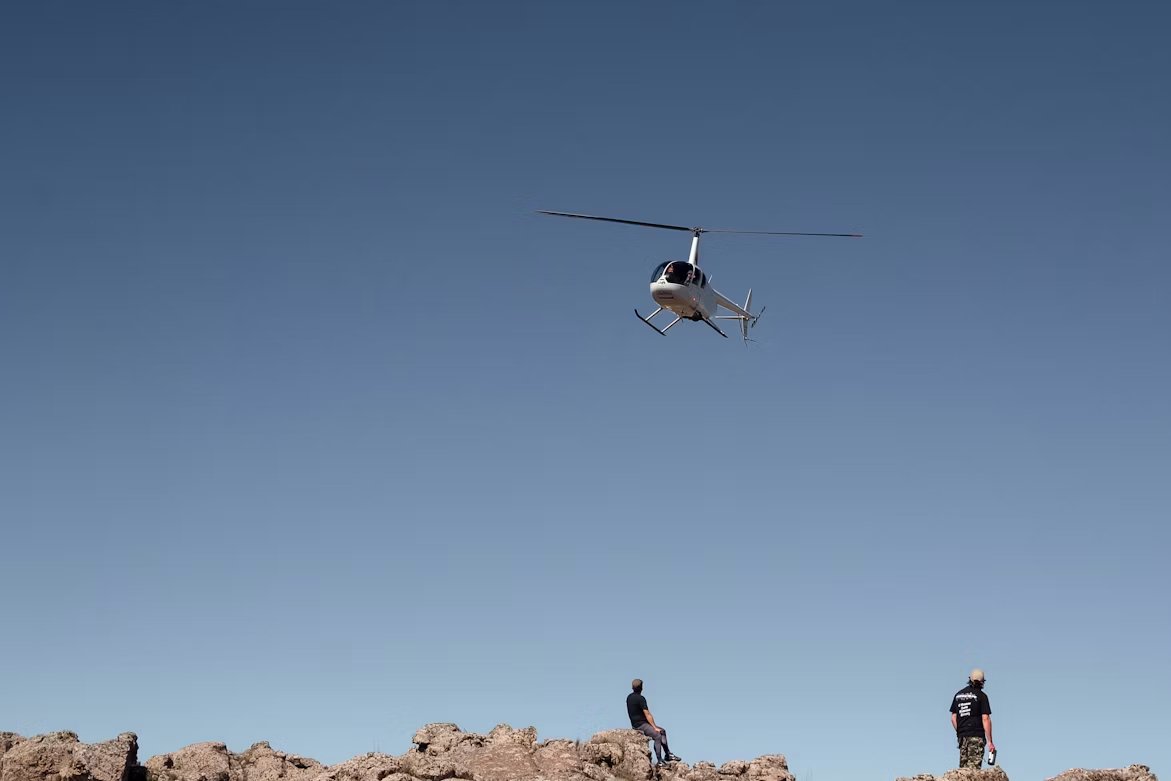
Long before drilling begins, exploration teams need safe, efficient access to remote and often challenging terrain. Access roads for ground vehicles may not exist, and building them is time-consuming and expensive. Weather conditions can change quickly, and survey locations could span hundreds of square miles.
During this phase, helicopters primarily support mobility and data collection rather than heavy lifting. The goal is to locate promising mineral deposits, evaluate their potential, and minimize environmental disturbance throughout the process.
Common exploration activities include:
- Transporting geologists and exploration teams
- Conducting airborne geophysical surveys
- Collecting necessary samples
- Moving lightweight drilling equipment
- Delivering supplies to temporary field camps
Operator Support for Exploration and Evaluation
The right helicopter company brings more than just transportation of people and materials. Experience with aerial survey work and remote logistics helps exploration teams gather reliable data and keep projects on schedule.
Here are several common requirements during phase 1 of mining operations:
- The Right Aircraft: Light-lift utility aircraft can safely transport personnel, equipment, and supplies into distant locations while minimizing operating costs and environmental disturbance.
- Aerial Survey Experience: Modern helicopters can carry technology such as enhanced navigation systems, light detection and ranging technology (LiDAR), high-resolution cameras, and thermal imaging sensors. These advanced tools enable collection and mapping of crucial geological data in fewer flights.
- Sampling Capability: Helicopters support environmental and geological sampling missions, including more efficient atmospheric monitoring and mineral exploration.
- AI Integration: Some helicopter operators use AI-assisted flight systems and machine learning tools that analyze environmental and aircraft data in real time to improve flight safety while supporting more efficient planning and operations.
These capabilities allow exploration teams to reach isolated sites, collect reliable data more efficiently, and make informed decisions before mining operations move forward.
Phase 2: Drill Support
Once the exploration team identifies mineral deposits worth targeting, drilling begins to confirm whether the deposit is commercially viable. This phase can last for weeks or months, requiring steady movement of crews, equipment, and supplies between multiple locations. Helicopter support becomes more demanding as drilling expands across multiple sites and requires frequent transportation of crews, equipment, and supplies.
Here are several critical helicopter activities during this phase:
- Moving drill crews between sites
- Transporting drilling equipment
- Sling-loading drill rigs and components
- Delivering fuel, water, and other supplies
- Retrieving additional samples for analysis
- Ensuring medevac readiness
Operator Support for the Drill Phase
Requirements for helicopters during phase 2 of mining operations include:
- External Load Expertise: Drill support may require rotorcraft to transport fuel, rigs, components, and other oversized equipment. Operators experienced in external-load operations understand how to safely balance loads of varying weights in regard to terrain, weather, and other factors that impact flight.
- Safety Evaluations: Each drill site presents different hazards, such as uneven terrain or confined landing zones. A thorough helicopter construction hazard assessment helps crews identify risks before deployment for safer everyday operations.
- Logistics Planning: Careful coordination of aircraft, personnel, equipment, and supplies across multiple locations keeps scheduled flights and work on track.
With these capabilities, helicopter teams can keep projects on track despite challenging terrain and gather the information needed to determine whether a mining project should continue to the next phase.
Phase 3: Mine Development
Once drilling confirms a mineral deposit is commercially viable, the focus shifts from exploration to construction. Crews must develop the infrastructure needed to support the operation. During this phase, reliability, lifting capacity, and seamless coordination with ground crews become the most important considerations.
Helicopters aid mine development by:
- Transporting construction materials
- Placing construction equipment
- Installing power infrastructure
- Placing communication towers
- Delivering fuel systems and generators
- Moving materials and supplies for temporary camps
- Performing precision long-line lifts
Operator Support for Mine Development
Typical requirements for helicopters during phase 3 of mining operations include:
- Heavy-Lift Aircraft: Mine development requires heavy-lift aircraft capable of delivering structural steel, modular buildings, fuel systems, generators, and other large materials to remote locations that may not be accessible by ground vehicle.
- Precision External Load Operations: Accident-free construction projects require pilots capable of performing complex lifts and working closely with ground crews to complete projects safely and efficiently.
- Construction Logistics: Ongoing coordination between pilots, airborne personnel, contractors, and construction crews is necessary for managing flight schedules, deliveries, and evolving priorities.
Mining companies that rely on helicopter support for mine development are able to assemble critical infrastructure more efficiently while reducing the need to build temporary access roads that disturb the environment.
Discover 6 things you should know before hiring helicopter construction services.
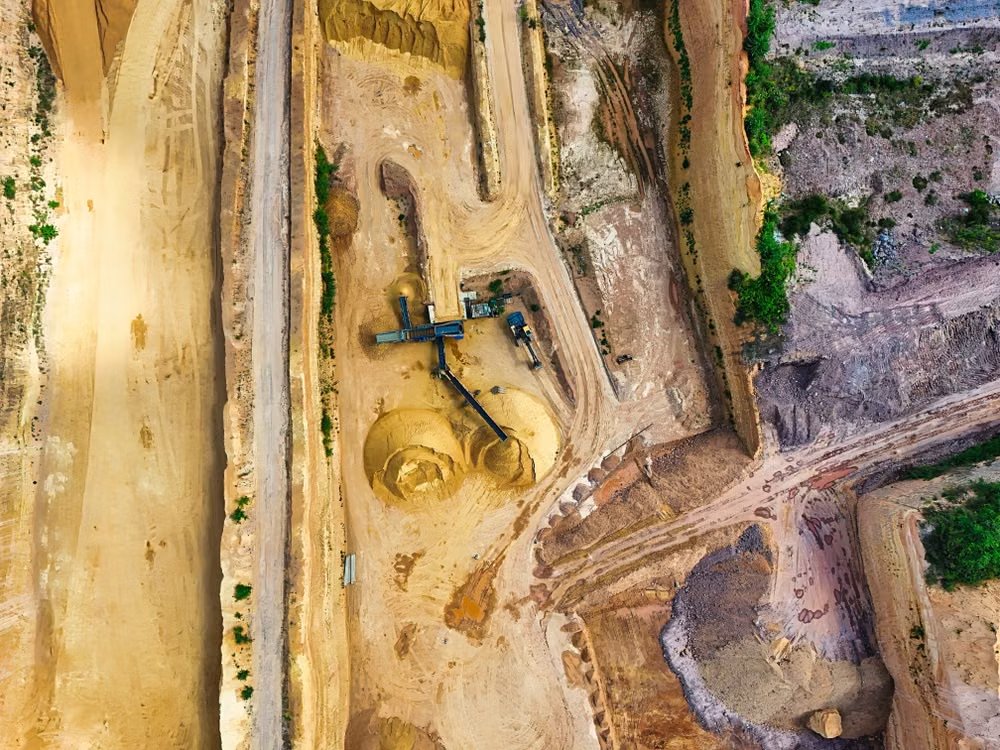
Phase 4: Production Operations
Once the mine becomes fully operational, helicopter services shift from construction to ongoing support operations. Because downtime can be costly, rotorcraft operators focus on helping mining teams maintain consistent production, rotate the workforce, and respond quickly when unexpected needs arise.
During production, helicopters assist with activities like:
- Transporting crews
- Routinely delivering cargo
- Transporting replacement parts
- Delivering heavy equipment components
- Scheduled and emergency maintenance response
- Medevac transport for remote work sites
Operator Support for the Production Phase
Common requirements for helicopters during phase 4 include:
- Reliable Aircraft Availability: Tight production schedules leave little room for delays, making reliable aircraft availability essential. Operators with well-maintained fleets and the ability to quickly transport replacement equipment help reduce downtime.
- Logistics Support: Experienced operators know how to coordinate routine crew rotations, scheduled cargo flights, and time-sensitive deliveries that keep operations running smoothly.
- Emergency Maintenance: When unexpected mechanical issues interrupt production, operators with dependable maintenance planning, dispatch capabilities, and available aircraft are able to respond quickly and prevent drastic cost increases due to lengthy delays.
- Medevac Capabilities: Operations in isolated mining locations come with certain safety risks. A helicopter service company with emergency response experience and the hoist systems needed for emergency medical evacuation can respond quickly when emergencies occur.
These contributions help mining companies maintain safe and efficient operations throughout the entire mining production phase.
Choosing the Right Helicopter Operator to Support the Process
Selecting an operator for mining exploration and production that can adapt as your project expands helps coordination, simplifying planning and reducing delays. Less downtime leads to more efficient operations that save you both time and money.
Below are the characteristics to look for across operational capabilities, relevant expertise, and long-term logistical support.
Operational Capabilities
- Fleet Versatility: A versatile fleet allows operators to match the right aircraft to each phase of a mining project, from transporting survey crews to lifting heavy construction materials. Having access to multiple helicopter types helps improve efficiency as operational needs evolve.
- Heavy-Lift Capability: Projects eventually require aircraft capable of safely transporting oversized equipment, structural materials, fuel systems, and other heavy loads. Operators with proven heavy-lift experience can assist mine development while reducing the need for costly ground access.
- Long Range Capacity: Mining operations often cover large, remote areas that are difficult to reach by road. Aircraft with greater range and endurance can travel farther between refueling stops while supporting projects spread across multiple locations, making helicopter range an important consideration.
Relevant Expertise
- Experienced Pilots: Mining operations demand skilled pilots experienced in performing complex external-load flights and precision placements in challenging conditions. These operators know how terrain, weather, load dynamics, and communication contribute to safe, accurate operations.
- Terrain Understanding: Every mining environment presents unique challenges, from steep mountains to heavily forested terrain. Operators with experience performing high-altitude helicopter operations can better anticipate environmental conditions and plan safer, more efficient flights.
- Weather Planning: Weather can change quickly in remote mining regions, affecting visibility, winds, and flight safety. Operators that use modern weather radar systems make better operational decisions and reduce weather-related delays whenever conditions allow.
- Rapid Response Experience: Unexpected equipment failures, medical emergencies, and schedule changes require operators that can mobilize quickly. Experience providing emergency helicopter services helps minimize downtime while supporting worker safety.
- Regulatory Compliance Knowledge: Mining projects often involve complex aviation regulations, environmental requirements, and site-specific safety procedures. An experienced operator understands these requirements and works closely with project teams to maintain compliance throughout every stage of the operation.
Long-Term Logistical Support
- Collaborative Planning: The best operators work alongside project managers, contractors, and field crews to coordinate schedules, equipment movements, and changing operational priorities. Strong communication helps reduce delays and keeps helicopter teams aligned with the overall project timeline.
- Adaptability: Mining projects rarely follow exactly the same schedule from beginning to end. Operators that can quickly adjust aircraft, flight schedules, and lifting plans are better equipped to support changing project demands without disrupting operations.
If this is your first helicopter-assisted project, review our step-by-step planning guide or see 14 questions to ask before hiring a heavy-lift helicopter service.
Helicopter Express: Reliable Capabilities for Every Stage
From the early stages of exploration to ongoing production support, modern mining operations lean on helicopter services. Working with the right partner helps mining companies maintain efficiency throughout every phase while reducing delays and unnecessary costs.
Helicopter Express brings flexibility to every project. We offer skilled pilots, a capable and versatile fleet, and three decades of heavy-lift experience — all backed by a strong commitment to safety and transparent communication throughout.
Get in touch with Helicopter Express today and learn more about the benefits of tailored helicopter services. We’re happy to talk through your needs, provide a quote, and answer any questions about how we can help.