
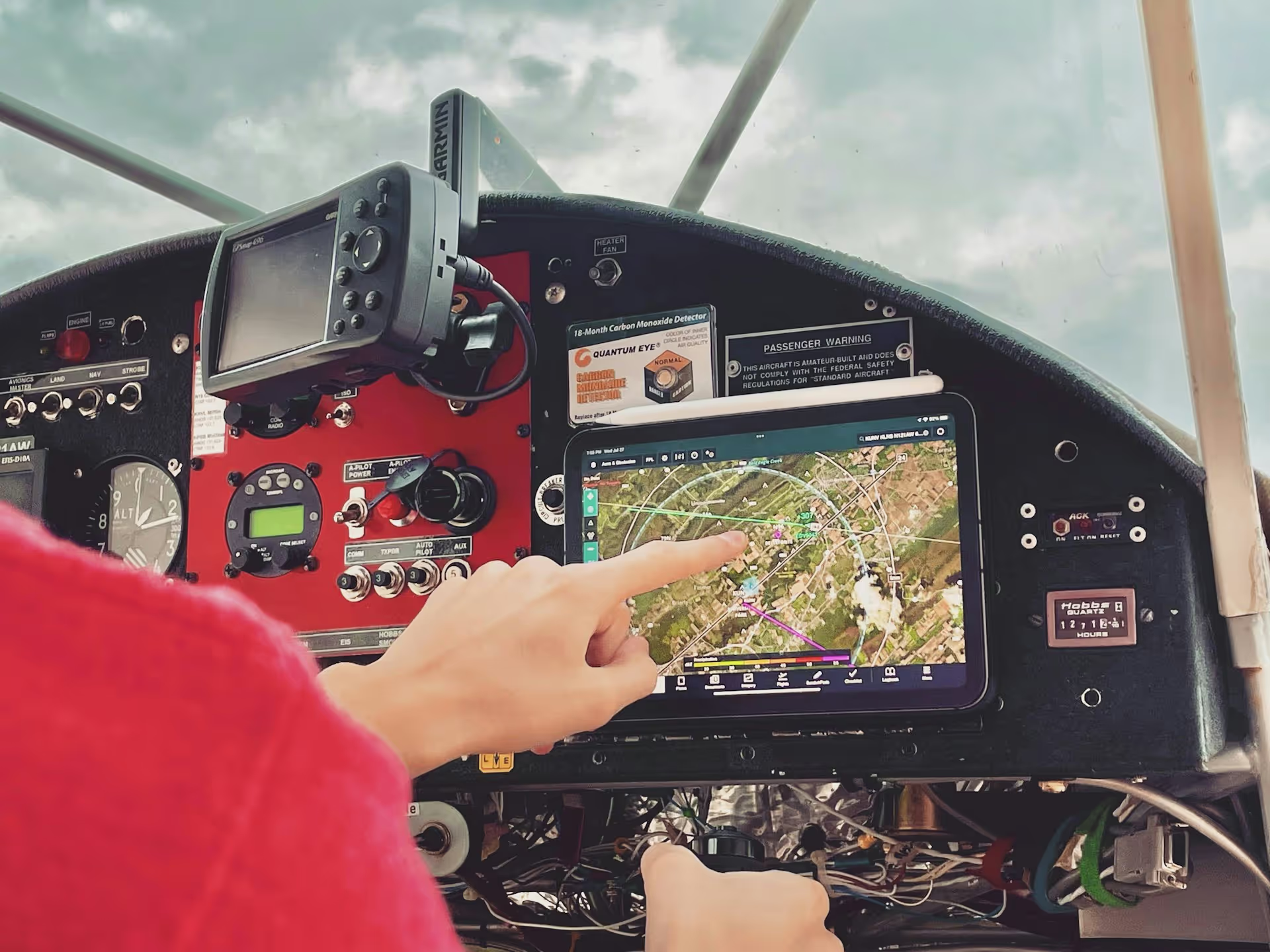
The global market for artificial intelligence (AI) in aviation is projected to exceed $56 million by 2035. That growth reflects a broad shift toward smarter, more data-driven flight operations that enhance safety and optimize efficiency.
As helicopter missions become increasingly complex, machine learning is providing support that decreases pilot workloads, boosts situational awareness, and enables faster, more informed decision-making. Learn why AI co-pilots matter in aviation, how they’re used today, and the limitations helicopter operators must consider as technology evolves.
Why AI Co-Pilots Are Becoming Crucial for Helicopter Safety
Helicopter operators don’t tend to shy away from complex projects in demanding environments. Rotorcraft operate in tight spaces, in the dark, through inclement weather, and in challenging terrain. When pilots must analyze everything from flight conditions to aircraft performance, small mistakes can lead to big consequences—especially during long or technically demanding missions.
Machine learning and artificial intelligence are capable of processing data significantly faster than humans, supporting accurate prediction and detection so pilots can offload routine tasks and focus on higher-level decisions. Rather than replacing human expertise, AI co-pilots add another layer of situational awareness. This collaboration is helping to reduce human error and improve overall helicopter safety and consistency.
Learn more about emerging trends and innovations in helicopter technology.
Main Uses of Machine Learning in Elevating Helicopter Safety
Artificial intelligence is already integrated within several areas of helicopter operations, enhancing safety in both day-to-day flight and high-risk missions.
Predictive Maintenance
By analyzing historical maintenance records and aircraft system data across flights, AI can identify potential issues, like wear patterns and anomalies, before they lead to failure.
This proactive approach helps:
- Lower maintenance costs
- Prevent unsafe mechanical breakdowns
- Reduce unscheduled downtime
Component failure prediction models with just 85% accuracy can cut equipment costs by 28%. They also reduce the need for unscheduled maintenance by 34%.
Route Optimization
Route optimization algorithms can process more than 50,000 possible flight paths every minute. These autonomous systems factor in airspace restrictions, weather conditions, and fuel efficiency to reduce fuel consumption by 23% and decrease operational time by 18%. Quicker turnaround times and lower costs benefit helicopter operators, their clients, and the environment.
Navigation in Degraded Conditions
When GPS and other advanced navigation systems are unavailable or unreliable, machine learning algorithms help pilots make sense of their surroundings and determine their locations. AI usage in helicopters has increased weather detection accuracy by 78%, and obstacle avoidance technology has improved mission success in adverse conditions by 39%.

Collision Avoidance
AI-enabled vision systems can identify hazards like aircraft, drones, birds, and approaching terrain—and estimate distance and time to potential collisions—to warn pilots in advance about threats that may be hard to see. Advanced AI systems have boosted obstacle detection and avoidance capabilities by 63% and reduced close-proximity helicopter incidents by 42%.
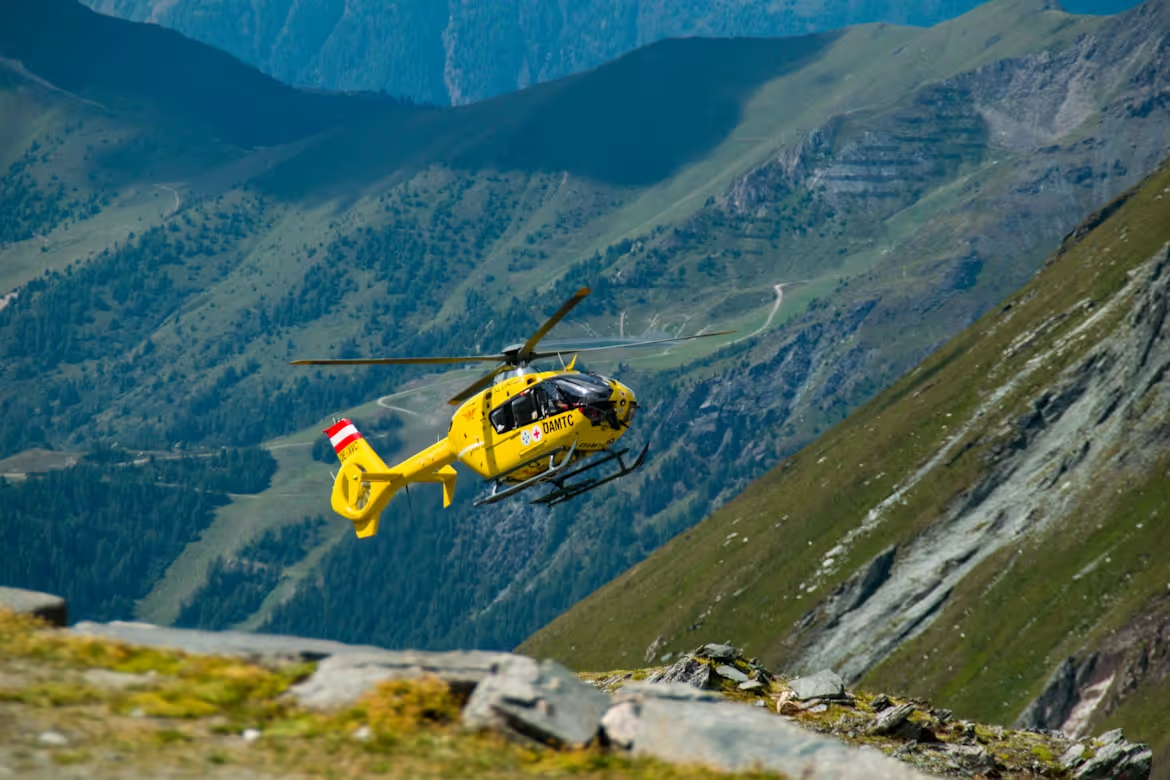
Workload Reduction and Fatigue Management
By automating repetitive and physically demanding tasks, AI algorithms can reduce pilot workload by 45%. This automation has been shown to reduce fatigue and elevate situational awareness by 68% while enabling pilots to focus their efforts on high-level decision-making. These factors help operators avoid accidents caused by human error.
Pilot Decision Support
AI-assisted systems monitor critical factors like flight conditions and engine performance in real time, alerting pilots and providing actionable insights for rapid decision-making during emergencies. This enhanced ability to act under pressure reduces human error and helps prevent helicopter accidents.
Precision and Repeatability
Some missions, like power line inspections, require helicopters to hover in the same spot for repeated inspections. Meanwhile, projects like helicopter wildlife surveys and some scientific research experiments require rotorcraft to return to specific coordinates. AI’s unique blend of radar, LiDAR, and optical sensor fusion has been shown to improve helicopter precision by 78%.
Training and Simulation
AI-powered simulators for aerial training reduce real-world risk and cost while making scenarios more realistic, adaptive, and data‑driven
Simulators are capable of:
- Building dynamic environments that mimic real-world conditions
- Tailoring situations to target pilot weaknesses
- Creating stressors that force teammates to practice communication and share workloads under pressure
Learn more about the current applications and future potential of autonomous systems in helicopter operations.
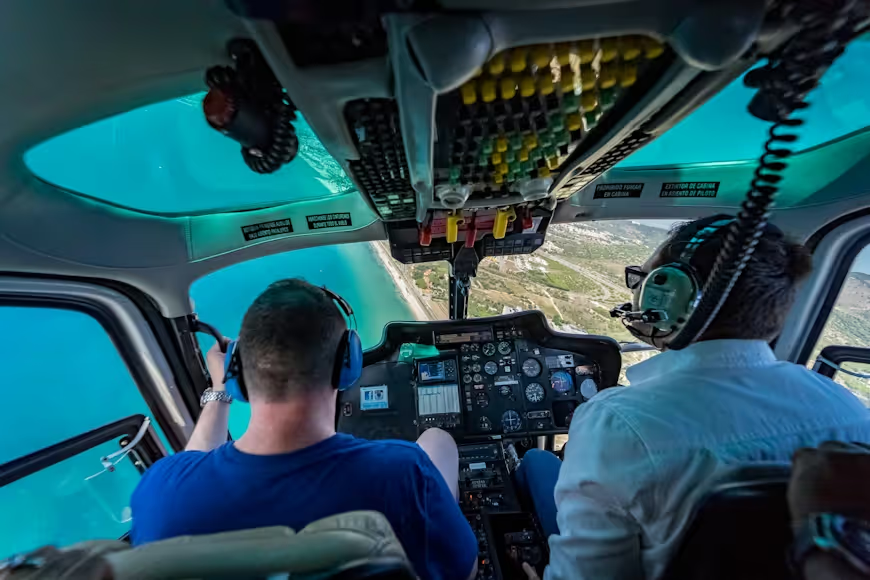
AI Risks and Limitations Aerial Teams Must Consider
Artificial intelligence is enhancing safety, but it’s also presenting new aviation challenges requiring careful management. Responsible AI implementation means ensuring these systems are reliable, transparent, and properly integrated into helicopter operations—and that pilots understand how to work with them instead of against them.
- Data Quality and Trustworthiness: A key challenge is ensuring the accuracy of AI-driven data. Incorrect or misleading outputs, also known as hallucinations, are an ever-present concern. Additionally, bias in the data training process could have serious consequences, leading to inaccuracies in complex environments. Pilots may struggle to trust or validate AI recommendations without knowing how reliably and ethically the data is sourced.
- Risk of Over-Reliance: Another concern is over-reliance on AI. Human judgment remains a critical part of safe helicopter missions, and pilots should never blindly follow AI recommendations—or neglect them entirely.
- Dataset Synchronization Issues: Many AI systems rely on real-time data streams. If those inputs aren’t synchronized properly, delays or inconsistencies could reduce operational safety.
- Privacy Restrictions: Sensitive data is often restricted, such as pilot performance metrics or certain flight records. Limited access to diverse data could affect AI model accuracy and make validation more difficult.
- Regulatory Barriers: Another issue is the lack of standardized guidelines for the design and implementation of AI in aviation. AI technology is evolving rapidly, and there’s no clear way to ensure the transparency and traceability of critical safety information. This makes clear certification, compliance, and accountability standards difficult to establish.
Helicopter Express Offers a Smarter Approach to Aviation Safety and Performance
At Helicopter Express, we build safety into every aspect of our operation. As AI and machine learning continue to shape the future of aviation, we’re adopting technology that delivers real, measurable improvements.
Through a combination of innovation and experience, we support safe and effective missions across a wide variety of industries. Our elite pilots, rigorous protocols, and collaborative approach are supported by technology but guided by human expertise.
Want to learn more about our approach to safety? Contact our team to discuss your needs, explore services, or discover how our tailored solutions improve safety and efficiency.