
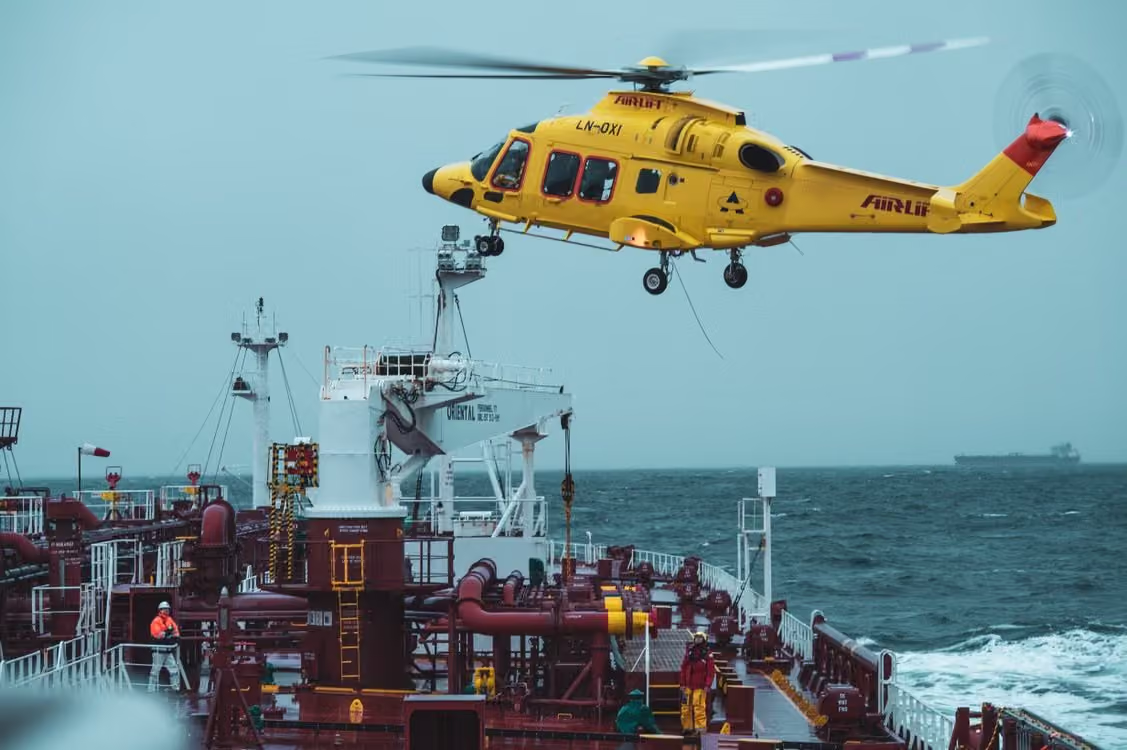
When a vessel needs a maritime pilot, replacement part, or emergency response team, waiting for a boat is not always practical. In many situations, boats cannot match the speed, reach, and flexibility of helicopters in moving critical resources between shore and ship.
This guide explores how rotorcraft aid port management and maritime activities through personnel transfers, logistics support, vessel monitoring, and emergency response coordination. We’ll also share key considerations for planning safe and effective missions at sea.
How Helicopters Integrate With Daily Port Functions
Ports manage a steady flow of incoming and outgoing vessels — each with its own schedule, crew requirements, and operational needs. Many port operators and commercial organizations rely on helicopters to provide transportation and aerial monitoring services that help crews and vessels stay on schedule.
Helicopter operators assist in the coordination of time-sensitive activities by:
- Working with pilot dispatchers to coordinate flights with shipping schedules
- Transporting essential personnel when timelines change
- Delivering urgent supplies and replacement parts to ships and offshore locations
- Performing aerial inspections of vessel traffic, infrastructure, and potential hazards
Successful integration of rotorcraft with daily port functions requires close coordination between the helicopter operator, vessel crew members, and relevant port personnel. All participants must have a clear understanding of the mission, their responsibilities, communication procedures, and timelines.
Port logistics also require a deep understanding of the ways in which weather conditions, vessel movements, and aircraft capabilities can affect flight planning. Contingency plans should be established in case of canceled or delayed transfers.
Ship-to-Shore Transfers: Moving People and Supplies
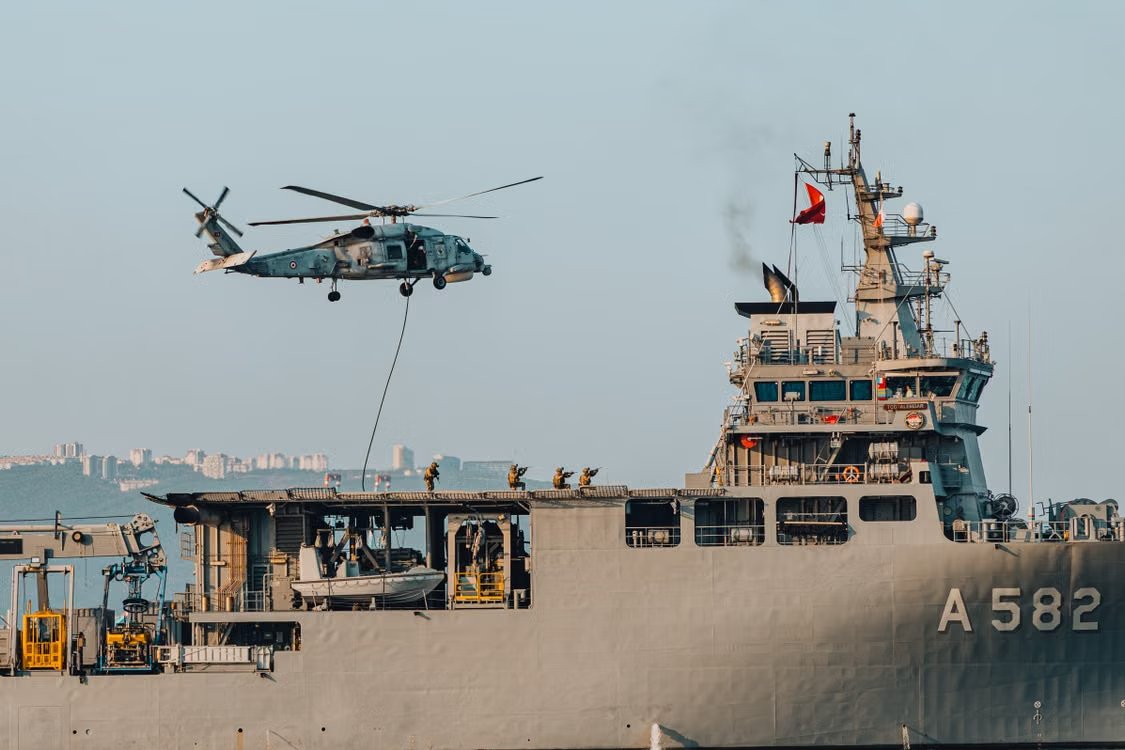
Rapid delivery of people, supplies, and equipment is another way helicopters help facilitate maritime operations. Vessels often require workers and replacement parts throughout the day and night. Quick transportation of vital resources keeps schedules on track and helps prevent costly disruptions.
Helicopters offer the ability to bypass the boat-to-ladder boarding process, but suitability depends on several factors: the specific vessel, crew availability, equipment requirements, weather conditions, and transfer arrangements. A thorough evaluation is needed to determine if a helicopter is the safest method for ship-to-shore transfers and vice versa.
Typical transfer applications of rotorcraft include:
- Personnel Transfers: Ships require a steady flow of personnel, such as officers, inspectors, surveyors, technicians, and maintenance staff. Helicopters can transport people from shores to vessels using a suitable landing area, if available, or a winch.
- Maritime Pilot Transfers: Helicopters can rapidly deliver maritime pilots to and from ships as they enter or leave a harbor. Maritime pilots bring essential expertise regarding local channels, tides, port requirements, and vessel traffic.
- Supply and Equipment Delivery: Urgent delivery of replacement parts, medical supplies, specialized tools, and equipment is often needed to avoid costly delays and keep work on track.
- Inspections: Aerial inspections of ships, cranes, breakwaters, and port infrastructure are possible without requiring temporary shutdowns or specialty equipment.
In some cases, helicopters may also be deployed to assist with security patrols and environmental efforts such as marine surveys and pollution detection.
Search and Rescue: Rapid Emergency Response at Sea
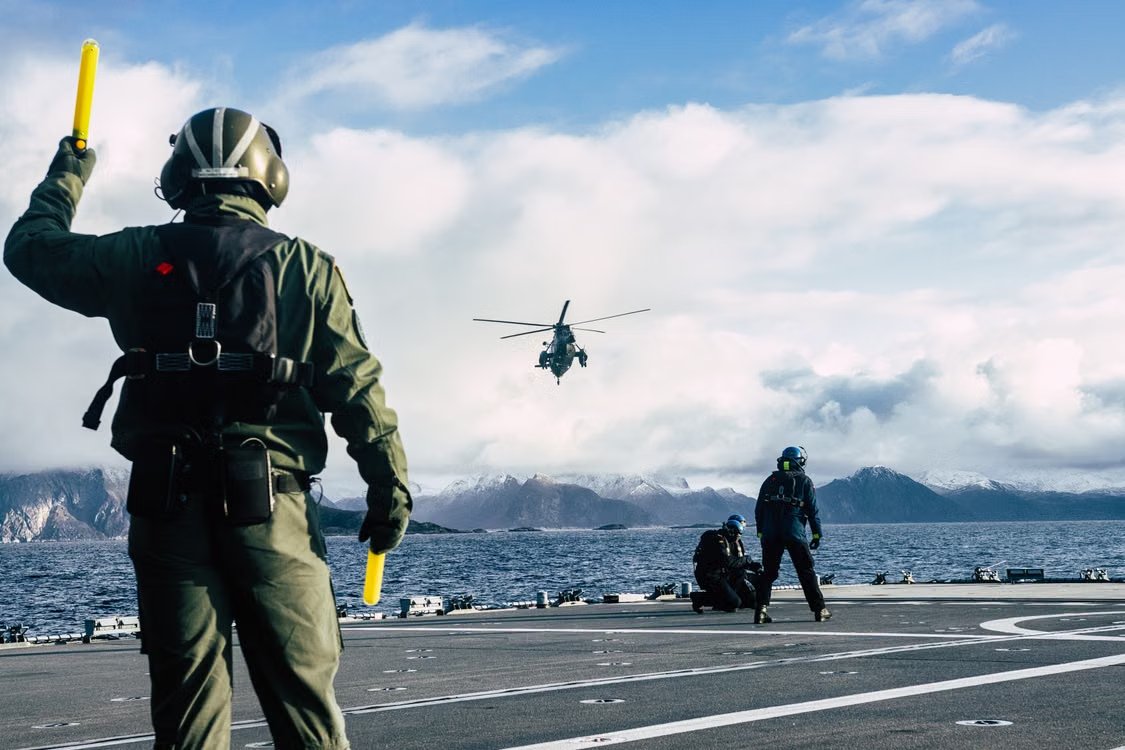
Helicopters equipped with search-and-rescue crews and equipment can cover large areas quickly while helping to locate people in distress. When landing isn’t possible, they can hover over a vessel or survivors in the water to rescue them using a hoist system.
Search-and-rescue helicopters can:
- Cover vast distances quickly and perform hours of rescue work without refueling
- Perform and remain stable in potentially hazardous conditions
- Fly slowly and hover to target smaller areas
- Perform close-up inspections and assessments to help coordinate rescue efforts
- Lower trained rescue personnel or equipment using a hoist
Medical Evacuations: Rapid Access to Critical Care
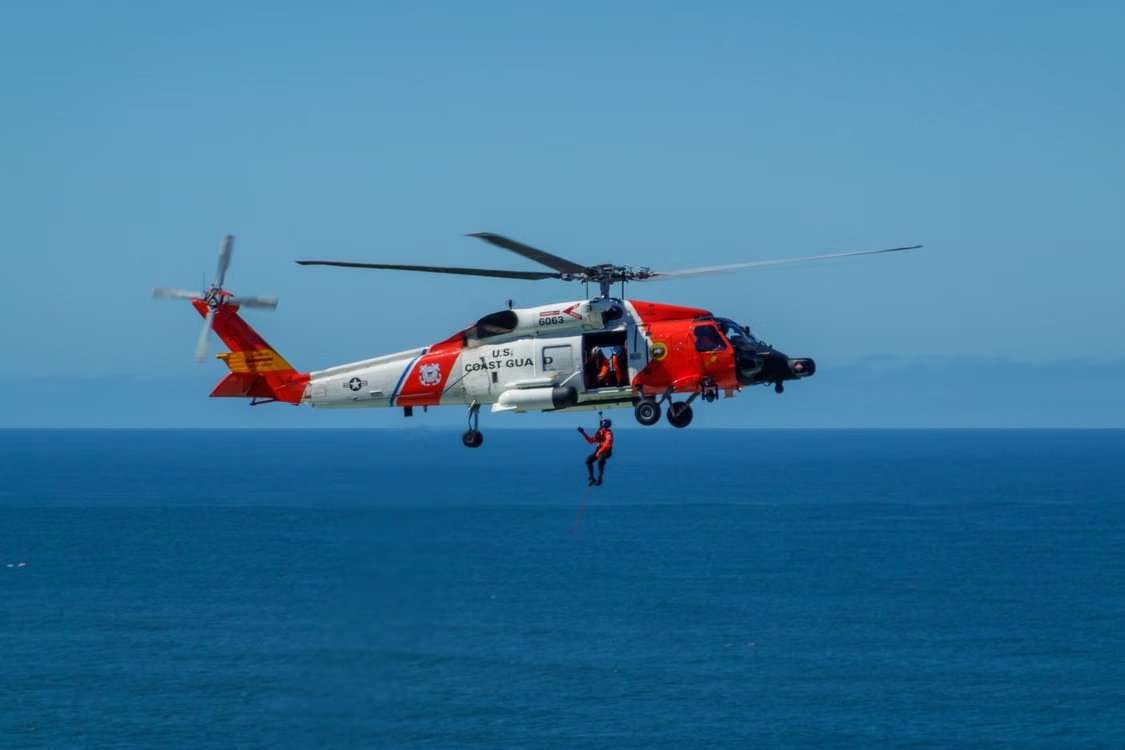
When a mariner is seriously injured or becomes acutely ill while far from shore, an emergency medical helicopter can help. These specialty rotorcraft are capable of accessing scenes faster than boats, using hoisting equipment to lift survivors from vessels, and delivering patients to the proper healthcare facilities.
Medical professionals can ride onboard and begin administering care while the helicopter is en route.
Specialized first responders must:
- Understand the effects of altitude physiology
- Possess emergency medical skills in areas such as airway management, in-flight resuscitation, diagnostics, and critical care
- Have access to needed medical supplies and equipment
- Make quick decisions with confidence
- Communicate clearly and efficiently
Learn about situations when a helicopter-based emergency medical evacuation may be appropriate and how to contract this type of service.
Aerial Awareness: Monitoring Maritime Traffic and Conditions
Aerial visibility offers a broader perspective than the limited view from a ship or onshore control room. Helicopters can cover expansive areas and provide valuable aerial observations about activity surrounding waterways, ports, and offshore facilities.
Depending on the mission, aircraft, and equipment, aerial support may include vessel traffic and hazard assessments, infrastructure inspections, and environmental monitoring.

Vessel Traffic and Hazard Assessments
Aircraft using automatic identification system (AIS) receivers, radar, electro-optical sensors, infrared sensors, and advanced communication equipment can capture and relay real-time intelligence. Observations regarding vessel movements, congestion, and navigational hazards around busy waterways help commercial operators and maritime authorities evaluate developing situations and coordinate a response.
Infrastructure Inspections
Helicopters enable access to areas that are difficult to inspect from the water or ground as well. Airborne crews can photograph ships, port infrastructure, offshore platforms, and other facilities to identify and evaluate maintenance concerns or damage. Infrastructure assessments help improve safety, security, and emergency-response planning.
Environmental Monitoring
Rotorcraft also provide an aerial survey platform so teams can better detect and monitor hazards such as icebergs across large areas of water and coastline. They can also identify environmental concerns like oil spills, floating debris, and pollution.
Learn how helicopters support wildlife surveys and ocean research.
Planning Safe and Effective Helicopter Operations
Benefits of helicopters in maritime and port management operations depend on careful coordination. The aircraft, equipment, and crew must all be carefully selected based on the intended work and the surrounding conditions. In some cases, integrating boat transfers as complements to helicopter flights provides maritime operators with the greatest flexibility.
Before arranging a flight or transfer, several factors must be considered:
- Mission Requirements: Define the purpose of the flight, the resources in need of transportation, the destination, and the expected timeline. Make sure everyone understands their responsibilities.
- Aircraft and Vessel Compatibility: Confirm that the selected aircraft can accommodate the required passengers or cargo. Identify suitable landing or hoisting areas and review potential obstructions.
- Weather and Operating Conditions: Evaluate wind, visibility, sea conditions, and other environmental factors. The flight plan should account for operating limits and allow for delays or cancellations when necessary.
- Passenger and Cargo Preparation: Confirm passenger readiness, required safety equipment, cargo weight, dimensions, and handling requirements before departure.
- Communication Procedures: Establish clear communication between the flight crew, vessel personnel, and port authorities. Everyone should understand how updates and operational changes will be shared.
- Emergency and Contingency Planning: Agree on procedures for unexpected weather changes, communication problems, unsuitable transfer conditions, and other circumstances that could interrupt the mission.
An experienced helicopter operator like Helicopter Express can help your organization evaluate these factors and develop a plan tailored to your unique requirements.
Put Your Maritime Operations in Capable Hands
Helicopters offer vessel operators and port authorities a flexible way to gather and evaluate critical information, transport personnel and equipment without delay, and provide efficient emergency response. For nearly three decades, the elite pilots and crews at Helicopter Express have provided a wide range of helicopter services to meet the unique demands of onshore, offshore, and open-water operations.
Contact Helicopter Express to request a quote and learn how we can help you meet your objectives.