
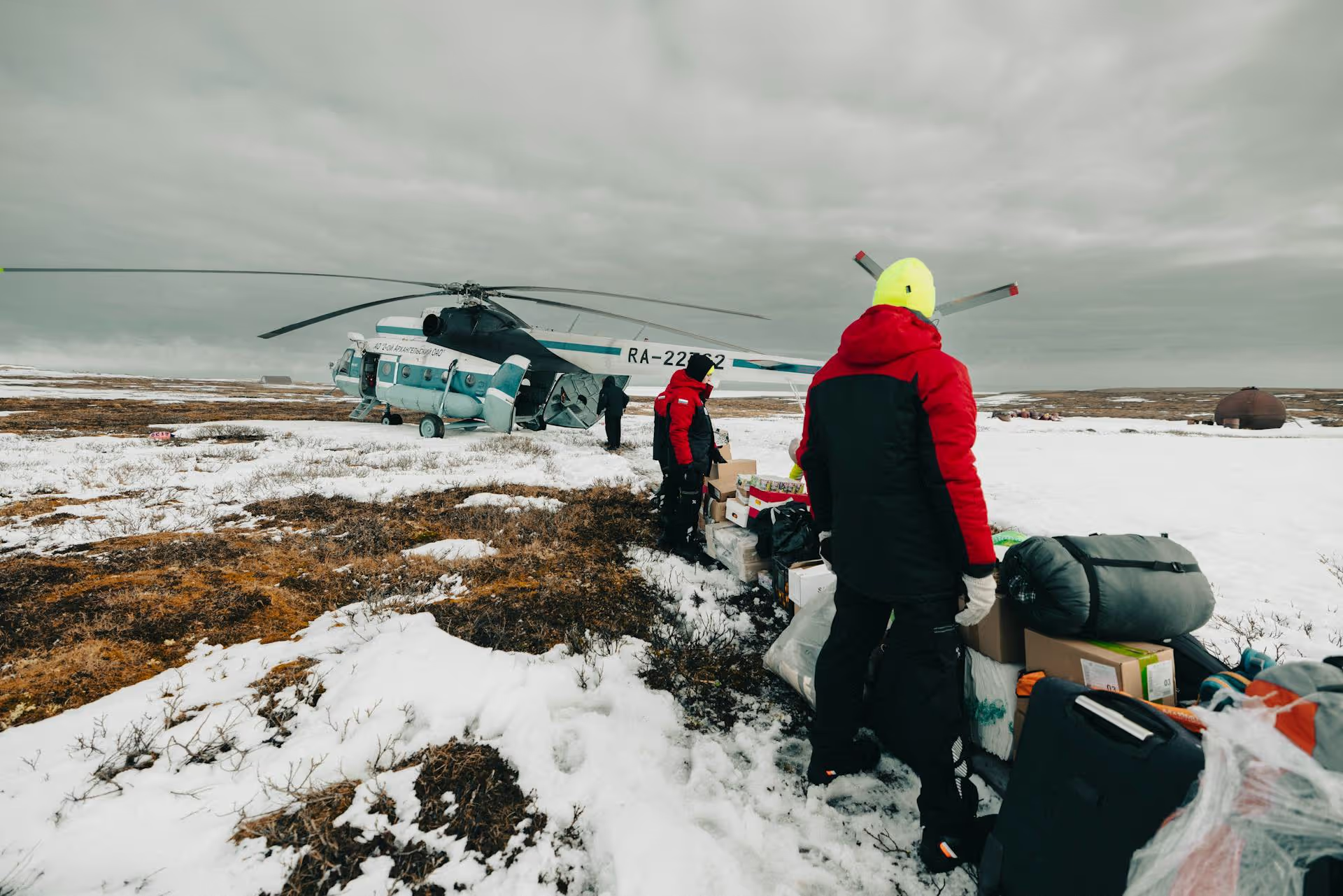
When floodwaters bury critical infrastructure or deliveries to offshore energy platforms by boat would be far too slow, there’s only one practical solution: helicopters. These versatile aircraft have proven time and time again to be a practical and efficient method of transporting critical supplies to largely inaccessible regions.
Whether you’re managing operations in Alaska’s remote interior or organizing critical aid distribution after a natural disaster, helicopters are capable of bypassing difficult terrain and completing the mission with ease. Read on to discover the core challenges of last-mile delivery in hard-to-reach places, the unique advantages rotorcraft offer, and real-world examples of these benefits in action. You’ll also learn what to consider before hiring aerial support and how partnering with a reputable provider like Helicopter Express keeps crucial supplies in motion when conventional methods fall short.
The Last-Mile Problem Helicopters Are Built to Solve
Traditional transportation logistics rely on existing infrastructure, like complex highways, train tracks, and bridges. But what happens when roads are damaged or inaccessible? How is time-sensitive cargo delivered when geographic barriers like dense forests and bodies of water are in the way?
Here are three key problems rotorcraft are built to solve:
Infrastructure Gaps
Remote and rugged regions—like island nations or Alaska’s snow-covered mountains—often lack dependable ground routes. Sometimes roads were never built in the first place. Other times, natural disasters like floods, earthquakes, and hurricanes have blocked, washed out, or destroyed roads and other infrastructure. When ground routes are impassible, helicopters can bypass these obstacles to transport supplies to communities that are otherwise isolated.
Geographic Barriers
Mountains, dense forests, and large bodies of water can make it difficult (or even impossible) to access certain areas by ground vehicle. In these environments, helicopters can provide a direct aerial route that eliminates the need for roads, bridges, or detours altogether.
Time-Sensitive Deliveries
In emergency situations where time is of the essence, aerial transport can drastically reduce the amount of time it takes to deliver medical supplies, industrial parts, and food to isolated communities. They are capable of avoiding ground-based constraints and flying straight toward the intended destination, minimizing detours and transit delays.
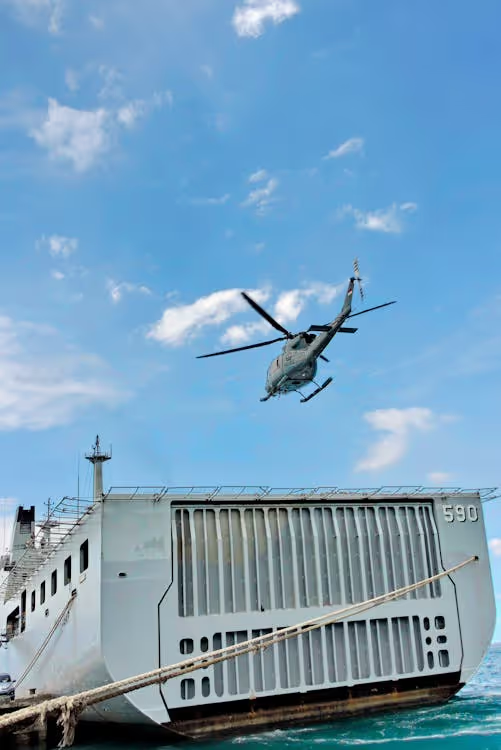
Benefits of Using Helicopters for Remote Supply Deliveries
Helicopters offer many distinct advantages over trucks, boats, airplanes, and even drones when it comes to last-mile supply delivery.
- Speed and Reliability: Ground transport can take days or weeks due to heavy traffic and road restrictions—and that’s assuming infrastructure has not been blocked or destroyed. Helicopters are capable of flying direct routes and avoiding obstacles like damaged roads and construction, keeping projects on track and swiftly supplying aid when needed.
- Access: Helicopters can reach isolated areas that are inaccessible by truck, like mountain peaks, offshore sites, and regions deep in the wilderness. They don’t require runways like airplanes or waterways like boats, which allows them to make deliveries when other methods fall short.
- Flexibility: Airplanes require runways, and drones have limited payloads and are extremely susceptible to inclement weather. Helicopters can take off from nearly anywhere, fly in challenging conditions, and carry a wide range of cargo, from lightweight emergency rations to heavy machinery and industrial parts. The Sikorsky S-64E & S-64F Skycranes, for example, are capable of lifting up to 25,000 pounds.
- Minimal Environmental Impact: Because rotorcraft do not require permanent infrastructure, they eliminate the need for the construction of temporary access roads. Leaving landscapes untouched protects fragile ecosystems from harm.
- Reduced Downtime: Teams stay productive when they’re able to avoid long waits for road repairs, port clearances, and difficult terrain navigation. Helicopter deliveries keep projects moving with fewer delays.
- Cost Savings in Remote Regions: While helicopters have significant operating costs, they eliminate the need for temporary roads, bridge reinforcement, and repeated ground transport attempts. This means less money spent on labor, permits, materials, and unanticipated downtime.
Discover additional ways helicopters save construction projects time and money.
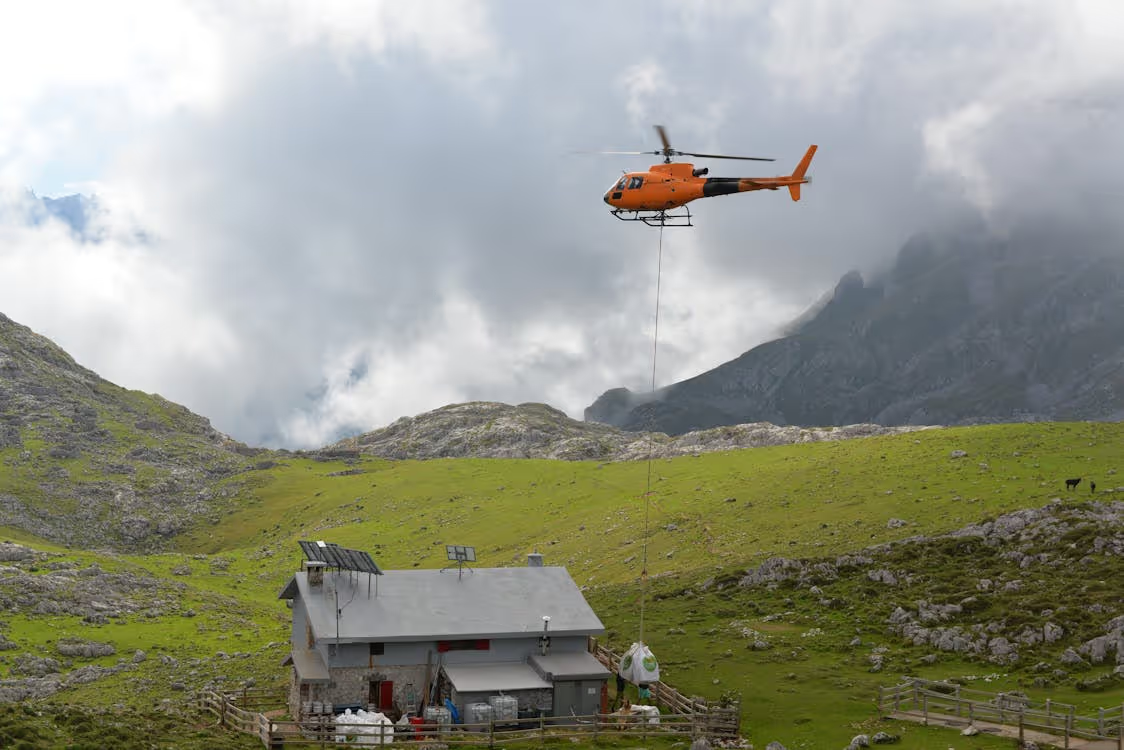
Real-World Case Studies: Last-Mile Delivery in Action
Using helicopters for last-mile delivery in remote areas isn’t hypothetical; rotorcraft are already hard at work. There are many instances of helicopters transporting equipment, personnel, and critical supplies to hard-to-reach, off-grid communities impacted by conflict and natural disasters.
For example:
- Alaska’s interior and mountain regions often rely on medium and heavy-lift helicopters to transport fuel, drilling equipment, and construction materials into steep mountain sites where roads don’t exist.
- When boats would be too slow or risky, offshore energy platforms frequently call upon helicopters to serve as the last-mile link between coastal bases and rigs.
- Brazil’s offshore energy fields frequently incorporate helicopters into their logistics networks, optimizing aircraft type, base location, and flights to balance payload capacity, fuel efficiency, and safety.
- In 2011, mudslides killed more than 600 people in Teresópolis, Brazil. Before evacuations were even possible, a dozen rescue helicopters were called upon to maneuver the mountains and supply desperately needed food and water to survivors.
- In areas of South Sudan impacted by ongoing conflict, World Food Program USA and UNICEF have used helicopters to conduct food assessments in areas too dangerous or remote to reach by road.
Operational Challenges to Keep in Mind
Helicopters balance large payloads with increased access and weather resilience, but no logistics solution is completely free of hurdles. Understanding the potential operational challenges of aerial support helps you set realistic expectations for your project or disaster response operation.
- Regulatory and Logistical Complexity: Airspace permissions, noise restrictions, and landing approvals can vary by region. That’s why it’s crucial that you work with an experienced helicopter operator who understands existing regulatory frameworks and knows how to navigate them with ease.
- Coordination of Multiple Aircraft: Coordinating schedules, landing permissions, fuel availability, and weather windows for multiple aircraft is no simple task. Planning and transparent communication are critical.
- Limited Ground Support in Remote Areas: Remote sites may lack sufficient infrastructure, ground crews, and fuel stations. Contingency planning and constant communication is essential.
- Weather Dependencies: Rain, storms, wind, and fog can ground flights or delay operations. Advanced weather radar systems support smarter routing, fuel optimization, and risk mitigation. However, some weather conditions make safe flight impossible.
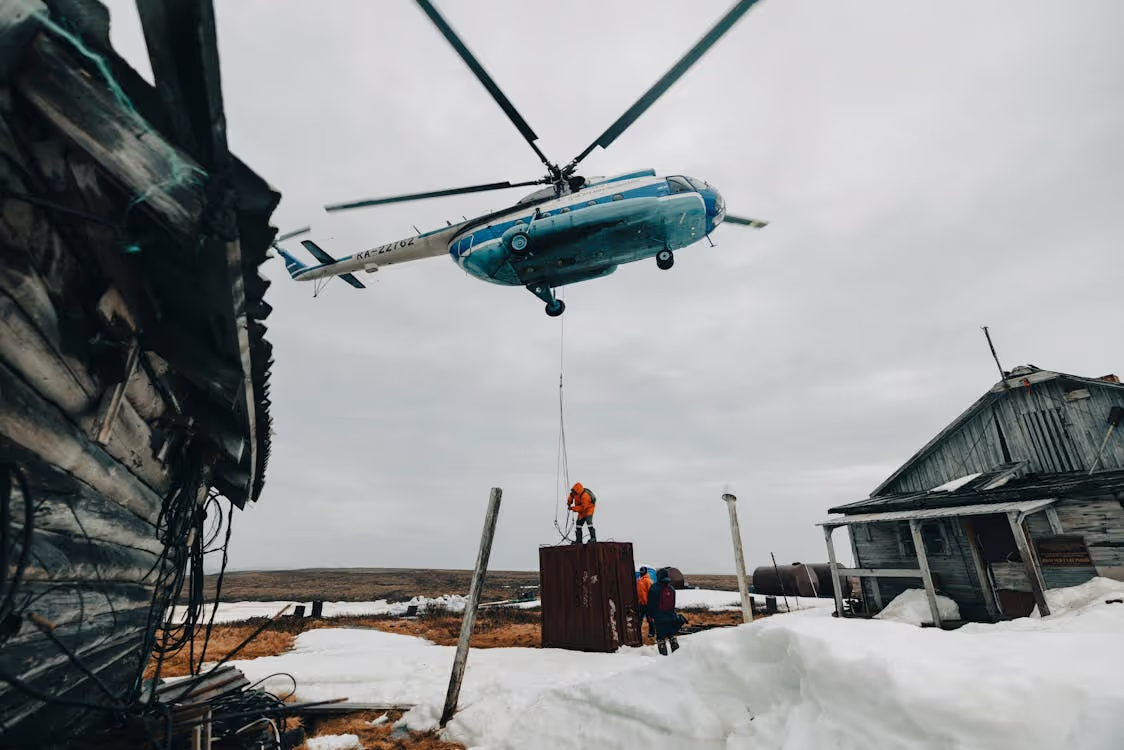
Partner With Helicopter Express for Enhanced Access and Swift Supply Delivery
When every minute counts, you need an experienced partner who understands the obstacles you face and the urgency of delivering critical supplies without delay. For over thirty years, Helicopter Express has reliably transported supplies to remote locations, no matter the difficulty of the terrain.
We’ve served a wide variety of industries, from energy and construction to emergency response and transportation logistics. Our crew and fleet are equipped to support emergency supply drops, scheduled cargo transport, and everything in between. When you work with Helicopter Express, you will receive a customized project plan supplemented by transparent communication and exceptional results.
Ready to solve your toughest logistical challenges with an experienced aerial service provider? Contact Helicopter Express today. We’ll ensure your cargo arrives safely and on time, every time.