
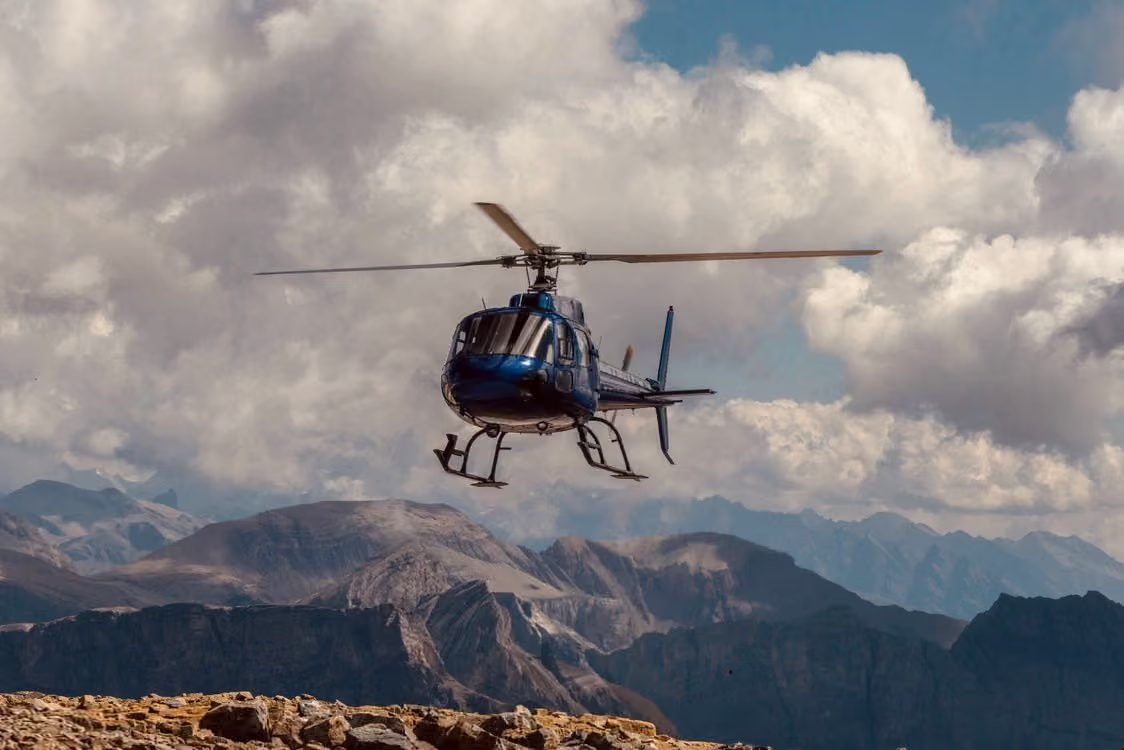
When a storm knocks out a cell tower or a mountain ridge blocks a signal path into a rural town, helicopters are often called upon to help restore connectivity. Reliable cellular networks keep communities, businesses, hospitals, and public safety teams connected during everyday activities and in the aftermath of disasters. But repairing towers and antennas and extending network connectivity often requires crews to reach locations where roads don’t exist or ground cranes can’t operate.
Through mountaintop installations, emergency communication technology, and network extension into rural areas and difficult terrain, helicopters support expanded connectivity in places where conventional equipment has limited access.
Mountaintop Installation of Communication Infrastructure
Mountaintops are often ideal locations for cell towers, radio antennas, and broadcast infrastructure because their elevation offers a wider transmission range and better signal coverage. However, steep terrain, narrow construction windows, environmental restrictions, and limited road access can make these sites difficult to reach.
When building a road that extends thousands of feet would take months or cost more than the installation itself, construction companies can hire a helicopter operator to complete the work instead. Rotorcraft are capable of placing towers, poles, and shelters on peaks quickly and efficiently, which often saves teams months of road work.
Helicopters make mountaintop installation possible by:
- Delivering tower sections and steel beams
- Transporting antennas, dishes, tower components, generators, and other hardware needed for network services and shelters
- Using long lines to place cargo with precision, even on narrow ridges
- Transporting construction crews and tools between staging areas and worksites
- Reducing or eliminating the need for temporary roads
Helicopter Express has facilitated operations like these across the country and beyond, including major infrastructure projects like bridge construction and dam repair work.

Emergency Communication Support After Disasters
Natural disasters like hurricanes, earthquakes, tornadoes, wildfires, ice storms, and floods can damage or destroy the telecommunications systems that keep communities connected. When disasters disrupt cell service or radio networks, helicopters can help crews reach damaged communication infrastructure and deliver equipment to isolated areas.
Rotorcraft can provide aerial damage surveys that help incident commanders assess conditions and direct first responders and resources to the places that need them most. When roads are impassable due to flooding or debris, helicopters can shuttle repair crews between worksites.
Helicopters can help accelerate communication restoration by:
- Delivering replacement components to damaged sites
- Transporting repair crews when roads are blocked
- Reaching damaged towers before roads reopen
- Installing temporary antennas and equipment to aid response and recovery
- Supplying fuel and generators to keep emergency sites up and running
Emergency response helicopters can also extend communication networks by transporting very high frequency (VHF) and ultra high frequency (UHF) radios and satellite phones. These tools help response teams maintain contact when damaged infrastructure, terrain, or limited cell coverage disrupts normal communication. The team at Helicopter Express has delivered emergency support and infrastructure repair in the aftermath of natural disasters for nearly three decades.
Communication Network Extension in Rural Areas
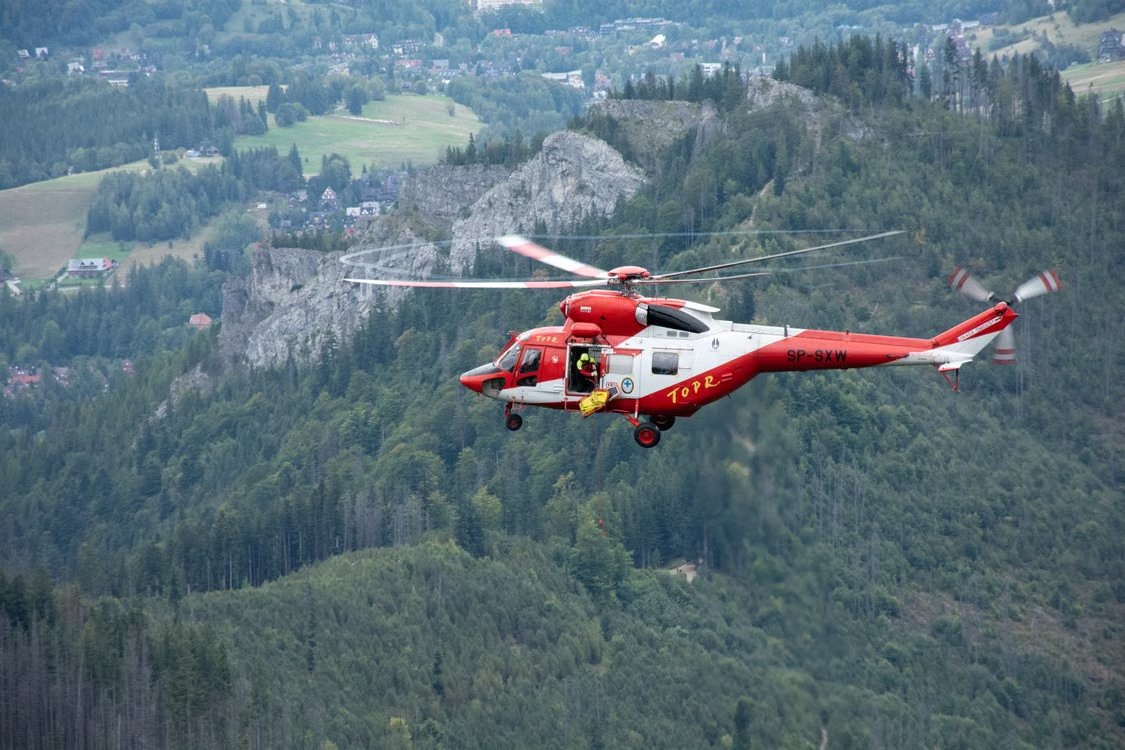
Many communication projects take place far from established infrastructure, including in rural communities, remote construction sites, and conservation areas. In places where steep terrain, dense forests, or limited roads complicate ground transportation, helicopters help extend cellular, radio, and broadband coverage.
They extend coverage by:
- Delivering essential tools and supplies directly to worksites
- Installing repeaters and antennas
- Shuttling installation crews and technicians in and out of work zones
- Carrying out ongoing maintenance inspections and repair work
- Quickly replacing damaged equipment to restore connections
Helicopters also enable short-term communication networks by positioning repeaters, tactical radios, and other components at strategic high points. In some emergency and off-road applications, helicopters can transport temporary LTE systems and other communication equipment to provide voice and data connectivity while damaged infrastructure is being restored.
Benefits of Using Helicopters to Extend Communication Infrastructure
Helicopters are valuable for construction, maintenance, and emergency response work in isolated and mountainous terrain due to key benefits, including:
- Range and Speed: A helicopter’s long operating range allows it to make several trips or reach multiple sites using less fuel, and its speed and heavy-lift capabilities help aerial teams accomplish in several hours what might take traditional crews and cranes days or weeks.
- Access: Helicopters can reach high altitudes and rugged areas without requiring crews to build or navigate long temporary routes. This can reduce the time and costs associated with locations that are difficult for ground equipment to reach.
- Precision and Efficiency: Experienced pilots can place heavy equipment with precision even in confined spaces where a crane can’t reliably maneuver. This accuracy is especially useful during post-disaster restoration when crews need to position communication equipment at damaged sites.
- Flexibility: Helicopters can easily adapt as projects evolve. They can be equipped with hoists and other mission-specific systems and technology.
- Safety: Aerial cranes offer many benefits over standard ground cranes, as they decrease the need to operate heavy equipment on unstable ground or within hazardous topography.
- Cost Efficiency: For large projects in difficult or environmentally sensitive terrain, skipping new road construction and its associated restoration could significantly reduce project costs. One New Jersey transmission project reported $2.5 million in savings from the marsh-restoration work avoided by using heavy-lift helicopters.
- Fewer Service Disruptions: Fast deployment for repairs and maintenance work means fewer outages, helping reduce financial losses and support communication between businesses, residents, and responders in the aftermath of disasters and during everyday operations.
- Limited Ground Disturbance: Less need for temporary roads and traditional ground cranes minimizes ground disturbance, which can lead to a smaller ecological footprint. Rotorcraft may be the only viable option for cellular network construction and repair in environmentally protected areas with strict regulatory requirements.
Industries from telecommunications to public safety continue to rely on helicopters for infrastructure work in tough terrain.
Get Your Network Off the Ground With Support from Helicopter Express
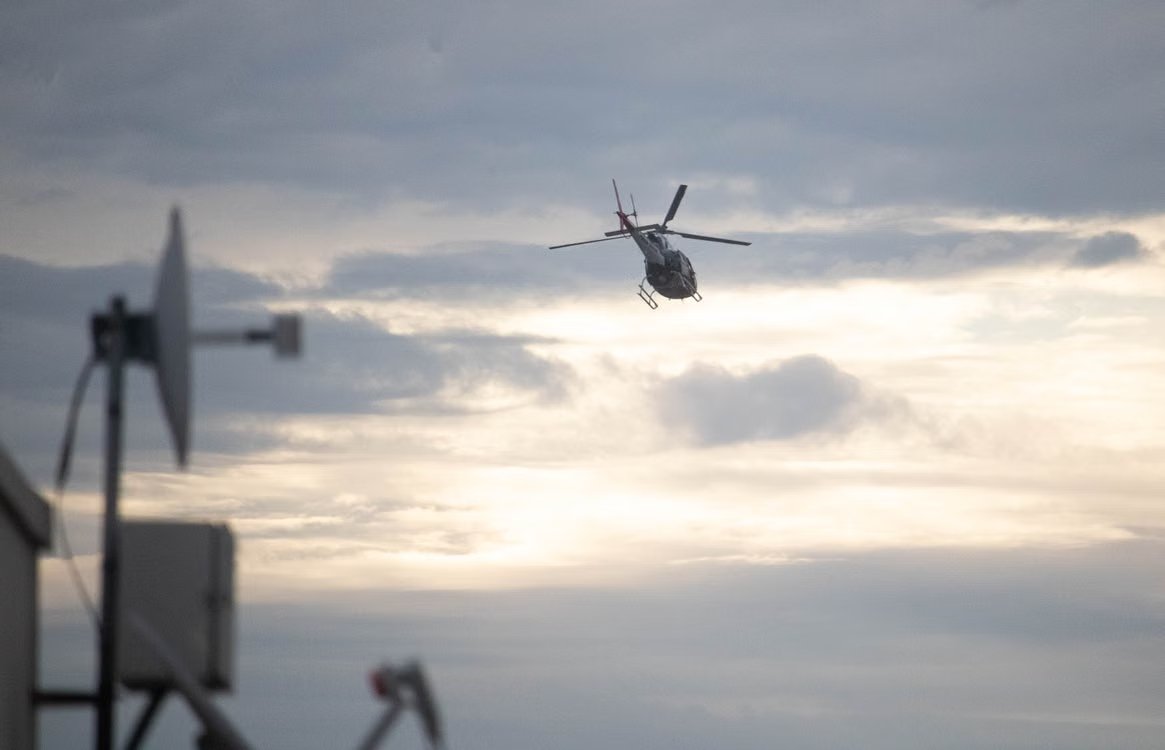
Building or repairing communication networks at remote worksites, mountaintops, and disaster zones presents a recurring obstacle: limited access. At Helicopter Express, our experienced pilots and specialized fleet handle crew and equipment transport, precision tower placement, and emergency response efforts despite challenging locations or unstable terrain.
Contact Helicopter Express to request a quote and learn how we can help expand, maintain, or restore connectivity in your region.