
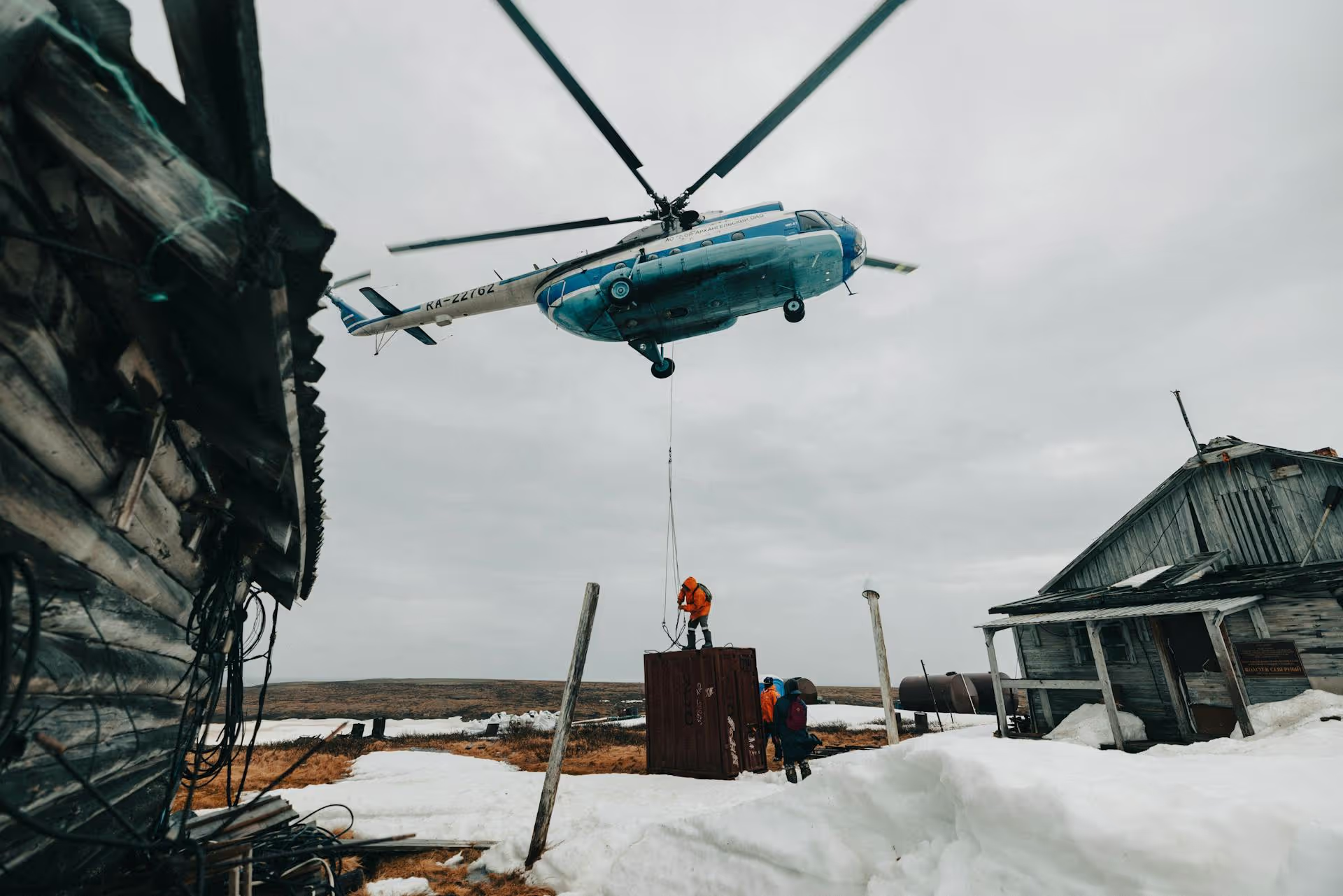
Helicopter services don’t operate on a one-size-fits-all calendar. Demand fluctuates by season, weather, location, and project type. When you book can significantly impact both cost and availability.
Whether you’re coordinating a heavy-lift construction job or hiring a chopper to capture cinematic footage from a bird’s-eye view, poor timing can lead to higher costs, limited aircrafts to choose from, and unexpected delays.
In this guide, you’ll discover how seasonal demand affects various aviation services, how to plan your project timeline more strategically, and how to keep your mission on track and on budget.
How Helicopter Services Deliver Benefits Across Industries
Helicopter-assisted operations provide many advantages that ground-based solutions don’t. Here are several reasons why organizations across a variety of industries rely on helicopter support for more efficient missions.
Faster, More Effective Preliminary Assessments
Rotorcraft enable teams to quickly survey terrain, infrastructure, and project sites from above. They support aerial surveys, hazard assessments, volumetric calculations, photography, location monitoring, and logistical coordination. This information enables better planning, reduces surprises, and helps stakeholders make decisions based on accurate, real-time data.
Unmatched Access
Helicopters can reach remote regions and access areas with challenging terrain quickly and safely, whether it’s a steep cliffside, offshore drilling platform, or dense urban environment. They are capable of bypassing roads, traffic congestion, and other obstacles to shorten travel times and keep activities on track.

Heavy-Lift Capabilities
Heavy-lift operations require a level of expertise and professionalism that goes beyond the norm. Heavy-lift choppers can transport hefty structures and materials without the time-consuming setup that traditional ground-based cranes require. This reduces the need for road closures, access roads, and extensive site preparation—capabilities that are especially important in dense cities or environmentally sensitive areas.
Increased Mobility and Precision
Modern rotorcraft can hover when necessary and place heavy loads with pinpoint precision. These qualities make them ideal instruments for heavy lifts, infrastructure installation, and work in congested cityscapes.
Ability to Perform in Challenging Conditions
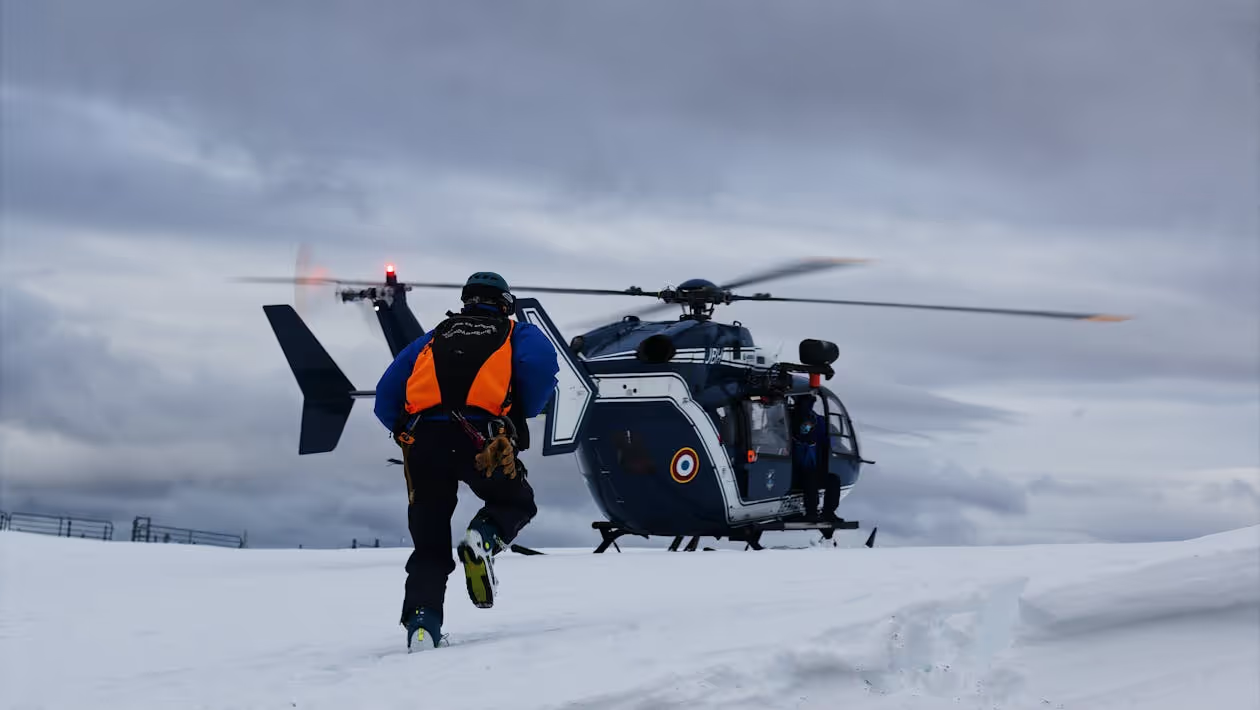
Aerial cranes are designed to brave the elements and remain stable in potentially threatening climates. Many helicopters can perform just as well in high altitudes, elevated atmospheric pressure, extreme heat, winter weather conditions, and rocky terrain as they can in moderate climates. Plus, they’re often permitted to access environmentally protected areas that may not allow for the entry of ground cranes.

Efficiency-Driven Cost Savings
Aviation support is costly, but the enhanced speed and precision often limit overall costs by reducing timelines, decreasing labor hours, and minimizing delays and disruptions.
Planning a construction project? Discover how helicopters can save you time and money.
Dedicated Aviation Team
Working with a team of professionals means having pilots, ground-based support, and aerial crews that are fully dedicated to your project’s success. Your expert crew should understand safety, compliance, and the ins and outs of mission planning to ensure each job is executed as flawlessly as possible.
Meet the team behind Georgia-based Helicopter Express.
Seasonal Demand Patterns by Helicopter Service Type
Helicopter demand varies widely depending on operation type and time of year. Understanding seasonal trends can help you plan ahead, secure availability, and manage costs more effectively.
Heavy-Lift Construction and Utility Work
For construction and utility projects, timing is just as critical as equipment. Spring and summer (April–September) are peak seasons for heavy-lift construction and utility work across much of the United States. This is especially true in northern states where snowy winters can temporarily halt outdoor work. The warm, dry weather and longer daylight hours make this the busiest and most competitive time for new infrastructure builds, power line inspections, natural gas line repairs, and more.
Because spring and summer are in such high demand, pricing may be higher and booking windows may be tighter. Also consider that waits may be longer for contractors, building materials, and equipment. We recommend scheduling early if your operation depends on peak-season lift capacity.
Offshore Energy
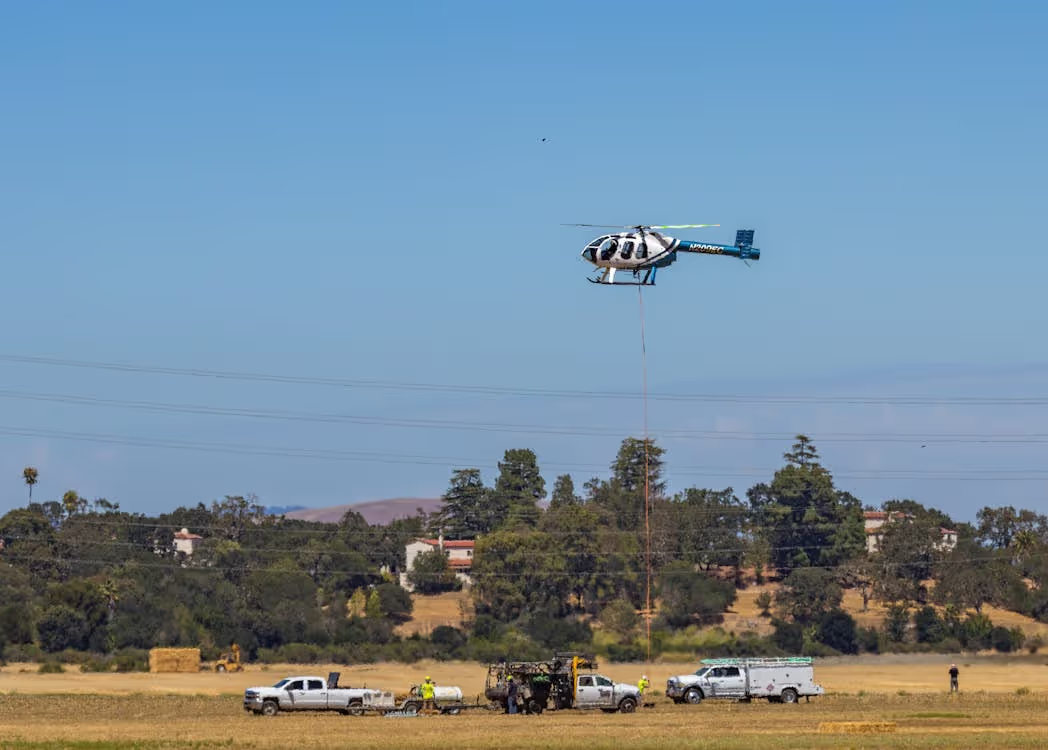
Helicopters play a crucial role in the offshore energy industry. They transport crews working on offshore oil rigs and wind farms quickly and efficiently. They also support the installation, maintenance, and upkeep of offshore infrastructure and equipment.
Demand for offshore helicopter support remains year-round, but extreme weather conditions (like hurricanes) can disrupt flights. Rather than relying on seasonality, the market for oil, gas, and wind tends to be driven by energy project cycles.
Aerial Firefighting
Demand for firefighting helicopters tends to coincide with wildfire season, which typically occurs from May–November in the United States. Because most fires occur during summer months (June–August), expect aerial firefighting support to be more expensive and fleets to be less available.
If your project overlaps with wildfire season, plan early and build flexibility into your timeline.
Disaster Relief
Aviation teams support a wide variety of disaster relief efforts. Helicopters can be hired to aid in search and rescue (SAR) missions or conduct aerial surveys and debris field searches after a natural disaster. They can also deliver food and water to impacted communities and perform other humanitarian operations.
Because natural disasters don’t happen on a schedule, demand tends to remain high throughout the year, with sudden spikes for large-scale emergencies.
Aerial Cinematography
Aerial cinematography is popular year-round, depending on whether you’re aiming for the lush florals of spring, balmy weather of summer, vibrant foliage of fall, or icy shimmer of winter. Regardless of season, many cinematographers agree that golden hour—the period shortly after sunrise and before sunset each day—is ideal for soft, cinematic lighting.
If you’re considering booking helicopter services for a film sequence, advertisement, or real estate showcase, keep this in mind.

Planning Your Project Timeline: Booking Strategies and Cost Optimization
Smart planning can help you control costs and avoid delays when hiring aerial support. Here are a few tips for optimizing your budget and keeping your project on schedule (without sacrificing safety or performance).
Understand Demand Cycles
Start by identifying peak periods for the type of service you need. Busy seasons are more predictable for industries like construction, firefighting, and tourism. When possible, align your timeline with slower windows to improve availability and pricing. Schedule non-urgent projects, maintenance, or training during the quieter winter months to leverage potentially lower demand and better availability of aircraft and crew.
Secure Resources Early for Peak Seasons
If your operation must take place during peak seasons, book early. Secure your contract, crew, and aircraft 6–12 months in advance to lock in your schedule and reduce the risk of last-minute capacity constraints. Early project coordination allows your helicopter operator more time to work out logistics, apply for permits, and avoid delays.
Consider Weather and Environmental Factors
Incorporate potential weather-related constraints into your project planning. For example, high winds could impact utility work, while migration patterns could increase the risk of bird strikes during spring and fall. Extreme heat could cause system overheating or reduced engine power, while extreme cold could lead to ice buildup and reduced visibility.
An experienced helicopter service provider like Helicopter Express will know how to plan around the weather, prepare for inclement conditions, and safely navigate the unexpected.
Watch Out for Hidden Costs
Be sure to clarify all cost details upfront. An expert service provider should be honest, transparent, and reliable. They should explicitly outline extra expenses such as:
- Standby time
- Fuel surcharges
- Landing/heliport fees
- De-icing fees
- Sling or external load work
- Cleaning and maintenance fees
For complex heavy-lift missions, bundled or task-based pricing may offer better value than hourly rates alone. Transparent communication with your helicopter operator will help prevent unwelcome surprises and keep your budget on track.
Optimize Your Operation With the Expert Team at Helicopter Express
At Helicopter Express, we understand that every engagement comes with its own timeline, challenges, and priorities. We bring over three decades of expertise to heavy-lift construction, utility support, disaster response efforts, specialty operations, and more.
Your dedicated project manager will work closely with you to plan your timeline, anticipate seasonal and weather-related constraints, and execute your job safely and efficiently. Our goal is to help our clients complete their missions on time and on budget, with transparent communication from start to finish.
Contact us to talk through your needs and request a custom quote. We aim to be a partner you can trust implicitly, upholding only the highest standards of safety, reliability, and professionalism.