

In September 2023, American cave researcher Mark Dickey experienced a medical emergency while over 3,000 feet inside southern Turkey’s Morca Cave. This led to one of the most highly coordinated international cave rescues in recent history. The operation drew together 190 rescuers, medical professionals, and other specialists from multiple countries. Together, they determined how to safely access the researcher and bring him to the surface.
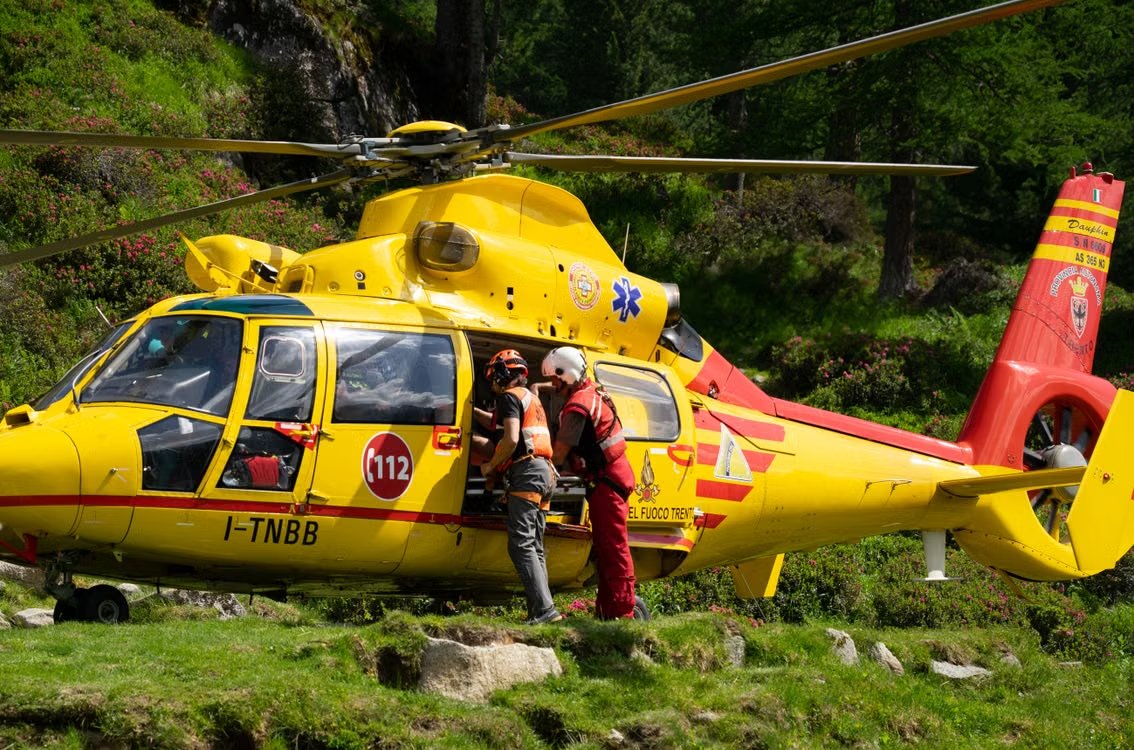
Once rescuers arrived with Dickey at the cave’s extraction point, the helicopter crew on standby transported the survivor to Mersin City Hospital. The rescue demonstrated the irreplaceable value of rotorcraft support in bridging the distance between a remote cave and a medical facility capable of providing lifesaving care.
In this article, we explore the capabilities and benefits of helicopters in cave rescue operations, including their role in technical rescue coordination, personnel and equipment transport, and patient evacuation.
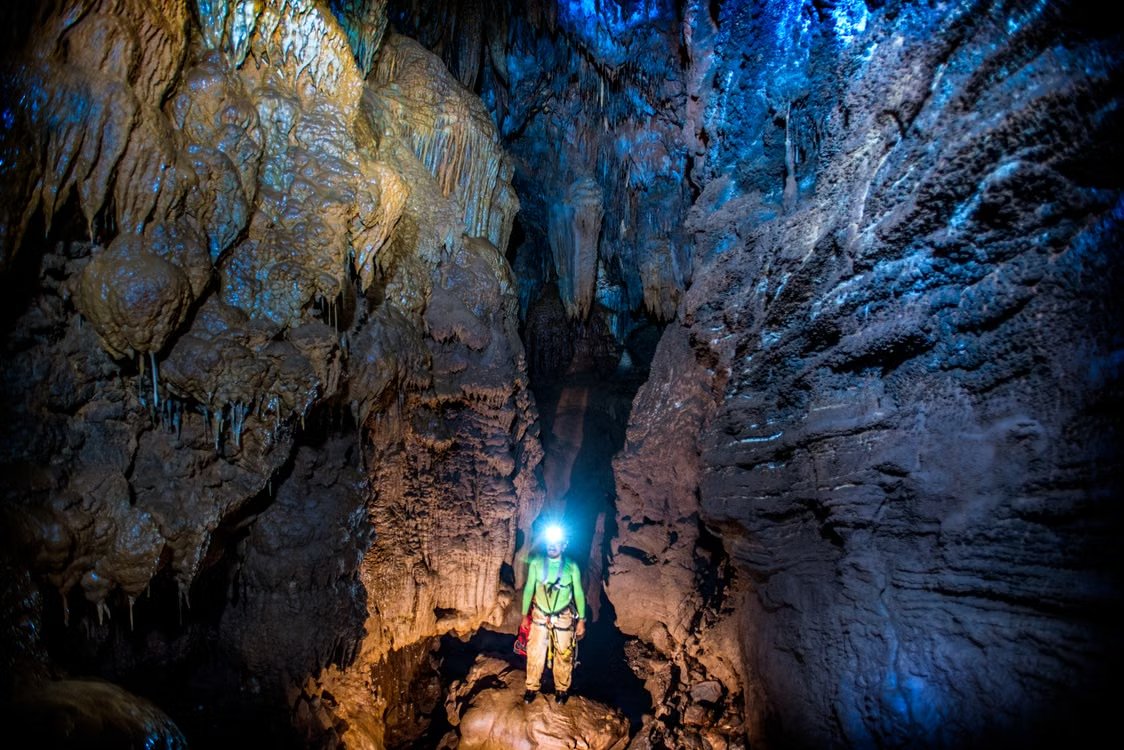
Why Cave Rescues Are Uniquely Challenging
Caves combine several risks that make evacuations extraordinarily challenging:
- Tight, Irregular Passages: Narrow routes can restrict movement and limit the supplies and medical equipment rescuers can carry.
- Cold Temperatures and Darkness: Underground conditions can increase bodily strain and complicate medical care.
- Vertical, Unstable Terrain: Steep drops, loose rocks, and hard-to-navigate landscapes frequently complicate patient movement.
- Poor Communication: Challenging underground conditions can make it difficult for rescuers to maintain reliable communication with above-ground staff.
- Limited Medical Access: Hazardous passageways often require patients to survive long, perilous routes while dealing with injuries and illnesses.
Before rescuers and survivors reach an exit or designated surface extraction point, helicopters aid their work by delivering essential personnel, supplies, and equipment. But rotorcraft become especially valuable once the operation transitions from underground rescue to above-ground logistics and medical transportation.
How Helicopters Support Cave Rescue Operations
Emergency helicopter support for cave rescue missions typically falls into three key categories:
- Technical rescue coordination
- Personnel and equipment transport
- Patient medical evacuation
Each capability addresses a different stage of the rescue, helping teams coordinate resources, reach remote locations, and move patients to appropriate medical care.
Technical Rescue Coordination Support
Before an aircraft arrives at the staging site to begin operations, cave-rescue leaders and aviation teams must have a shared understanding of the mission.
This includes:
- Timing
- Communications
- Patient-transfer procedures
- Safety considerations
Realistic extraction timelines are critical because the cave — not the helicopter operator — determines the pace of the evacuation. The designated rotorcraft may reach the operational base quickly, but the victim could be trapped underground for hours or even days. That’s why cave-rescue leaders, EMS workers, land managers, and helicopter teams must work together to coordinate the technical rescue plan before the patient reaches the extraction point.
Incident Command System
The Incident Command System (ICS) provides the structure needed to coordinate these variables. This system establishes the overall priorities and objectives for the mission while ensuring each team member performs their role according to the same response plan.
It also provides structure for:
- Documentation
- Accountability
- Resource management
- Safety
Key ICS Roles in Cave Rescue Operations
As demonstrated in the Morca Cave rescue of Mark Dickey, underground rescue operations often involve a large team consisting of key groups. A structured approach with rotating shifts helps crews overcome the physical demands of navigating difficult terrain, moving equipment, and transporting survivors across long distances.
Each group plays a distinct role in a helicopter-assisted cave rescue expedition:
- Cave-Rescue Workers: Manage the underground technical operation and determine when the patient can move toward the surface.
- Medical Personnel: Assess and stabilize the patient, provide medical treatment, and establish care priorities.
- Aviation Crews: Evaluate aircraft capability, weather, landing zones, flight hazards, fuel, payload, and transfer options.
- Logistics Teams: Coordinate equipment, staging, food, water, lighting, communications, and responder rehabilitation.
For the aviation team, this coordination helps determine how the helicopter can best contribute to the rescue and what resources are needed to support the mission. A dedicated liaison can also help keep extraction-time estimates aligned between the rescue command post and flight crew.

Personnel and Equipment Transport
In complex cave rescues that take place in remote locations, delivering the necessary resources to the cave entrance can be just as critical as evacuating the patient. Helicopters can quickly deliver specialized rescue workers, equipment, food, water, medical supplies, and other cargo to remote staging areas when ground access would be too slow, dangerous, or difficult.
Personnel
Depending on incident logistics, the flight crew may transport responders consisting of:
- Cave-rescue leaders
- High-angle rope-rescue specialists
- Paramedics, nurses, physicians, and wilderness-medicine experts
- Incident-management teams
- Communications specialists
- Search-and-rescue crews
Equipment
Helicopters also frequently transport specialized rescue equipment, such as:
- Rope systems, anchors, pulleys, and rigging gear
- Patient-packaging materials
- Medical kits, oxygen, monitoring equipment, and warming supplies
- Communication systems, generators, lighting, and batteries
- Food, water, shelter, and personal protective equipment for extended operations
Internal and External Cargo Planning
Cargo may be transported internally within the aircraft cabin or as an external load beneath the aircraft.
Every load requires careful planning that considers:
- Aircraft capabilities
- Weight
- Balance
- Securement
- Weather
- Terrain
It’s important to know that external-load operations are more involved than transporting cargo internally. They require specialized operational authority, crew training, and safety controls.
See why helicopters are one of the most effective tools for search and rescue missions, cave rescue operations, debris field searches, and disaster relief efforts.
Patient Medical Evacuation
The helicopter evacuation phase begins after cave rescuers have safely brought the patient to the surface or another accessible transfer point. Before that happens, the underground team and medical workers may need to administer aid and prepare the patient for transport.
This includes:
- Assessing, stabilizing, and splinting injuries
- Managing airway, breathing, bleeding, circulation, pain, and shock
- Protecting against hypothermia
- Carrying, hauling, lowering, or raising the patient through cave passages
- Packaging the patient for safe movement in a litter
Once they reach the surface, rescue team leaders can determine the ideal destination based on the patient’s needs, distance, and available resources.
Aviation Safety Limitations and Decision Factors
Helicopter-aided rescues depend on conditions at the scene, aircraft capabilities, and mission specifications. Here are several considerations, from weather and terrain to rotor downwash hazards.
Weather
Certain weather conditions can delay or even prevent flight operations, including:
- Extreme temperatures and density altitude
- Low clouds, fog, smoke, darkness, and reduced visibility
- Thunderstorms and high winds
- Icing
Terrain
Many conditions of rugged terrain can affect aircraft performance, such as:
- Elevation
- Narrow valleys, mountains, and cliffs
- Trees and power lines
- Uneven surfaces
- Loose rock or debris
- Lack of a safe landing zone

Mission Specifications
The helicopter planning team must work with rescuers to determine the appropriate aircraft based on several factors, which include:
- Fuel load
- Crew size
- Medical equipment needs
- Patient and litter weight requirements
Rotor Wash Hazards
They must also be aware of the rotor wash hazards that can occur around a cave entrance or landing zone, such as:
- Dust and debris
- Loose gear
- Unstable litter movement
Depending on the evaluated conditions and risks, the safest choice is sometimes a ground evacuation, delay, or transfer to another aircraft or landing location. Thorough aviation planning is needed to account for these possibilities before they become urgent decisions.
Preparing for Helicopter-Assisted Cave Rescues
Cave rescue operations work best when relationships and procedures are established before the emergency occurs.
Organizations responsible for maintaining remote caves and other hard-to-reach outdoor locations can prepare in several different ways:
- Landing Zone Identification: Identifying suitable areas for the helicopter to safely land.
- Access and Staging Plans: Determining how teams, vehicles, and supplies will move between the cave entrance, staging areas, and landing zone.
- Helicopter Contact Procedures: Establishing who will request aviation support and how flight crews and planners will receive critical information.
- Communication Plans: Defining reliable ways for underground teams, incident command, and flight crews to exchange updates.
- Mutual Aid Relationships: Building connections with nearby agencies and organizations that can provide specialized expertise, personnel, and equipment.
- Joint Training Exercises: Practicing coordinating rescue and aviation teams before working together during a real rescue in the field.
- Emergency Procedures: Outlining clear protocols for changing conditions, shifting patient needs, and unexpected situations that may exceed aircraft limitations.
While comprehensive planning does not necessarily eliminate the unpredictability of cave rescues, it provides a stronger foundation for decision-making when patient lives are on the line and every choice can have serious consequences.
Strengthen Your Cave Rescue Efforts with the Experts at Helicopter Express
Cave rescues depend on specialized underground teams, medical providers, incident command, logistics professionals, and aviation professionals working toward the same goals. For over 30 years, Helicopter Express has provided unparalleled aviation support for disaster relief, search and rescue missions, aerial firefighting, emergency medical evacuation, and other complex operations that require expert pilots and a diverse fleet.
If your organization needs aviation assistance for a cave rescue or other coordinated effort, contact Helicopter Express to discuss your priorities and get a quote.