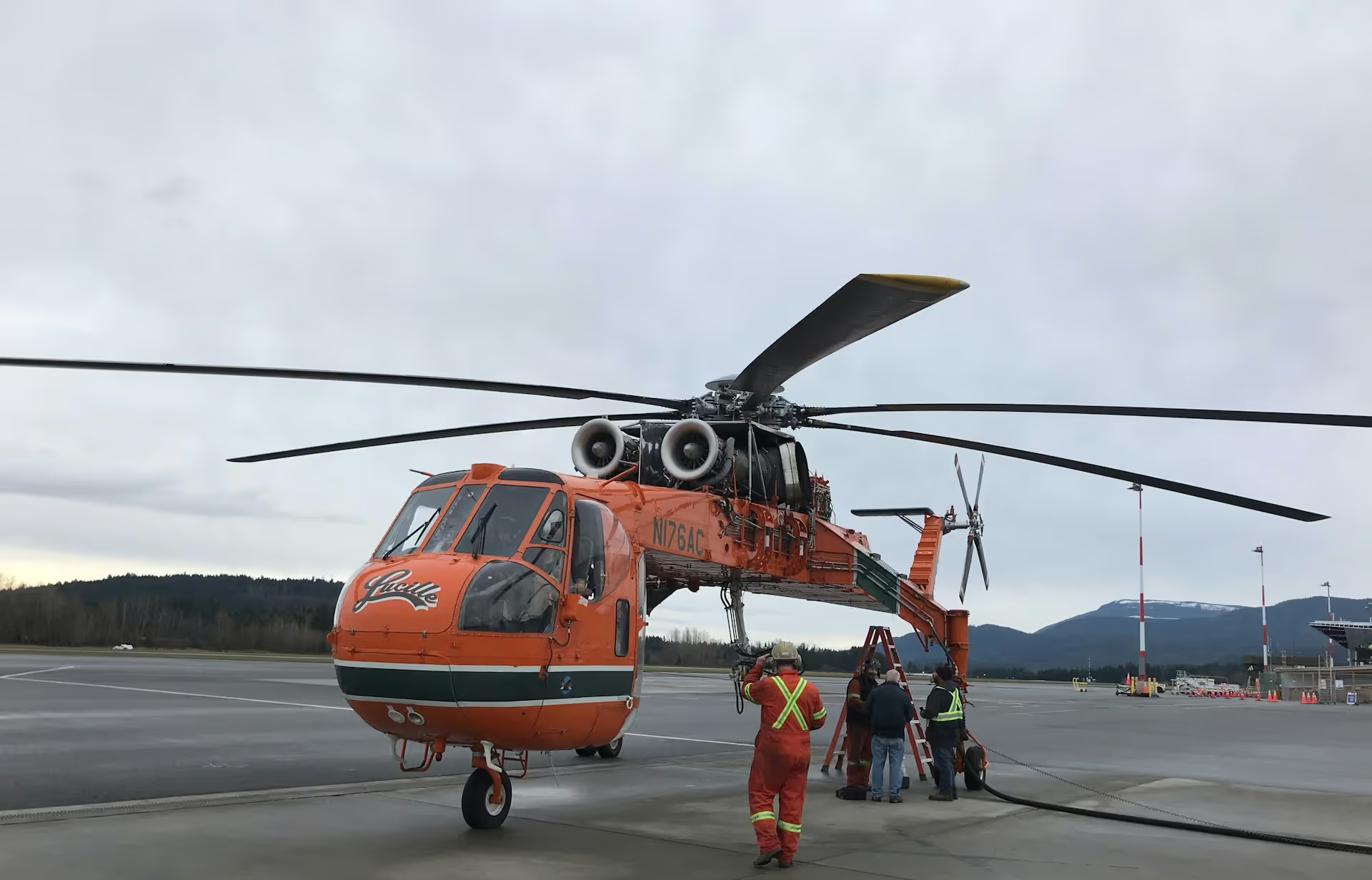
Behind the Scenes: A Day in the Life of a Helicopter Maintenance Crew

Get a glimpse into the daily life of a helicopter maintenance crew, from pre-flight duties to post-mission documentation. Discover challenges faced, skills required, and more.

When a helicopter lifts a transmission tower into place or executes a time-sensitive emergency rescue, the spotlight typically shines on the aircraft itself and the pilot who operates it. But one imperative aspect of these complex operations that’s often overlooked is the maintenance work that begins long before the helicopter takes to the skies.

If you’re considering a career in helicopter repair work, applying to a role with a helicopter service provider, or planning to hire one for a high-stakes mission, this article will help you understand the behind-the-scenes reality of helicopter maintenance crews. These technicians work under tight timelines and intense pressure to ensure helicopters, flight crews, and the communities they serve stay safe.

Below, we’ll explore a typical day for helicopter technicians, outline the skills and certifications required, and examine common challenges they face on the job. You’ll also learn why a strong safety culture is essential and how Helicopter Express delivers safe, reliable helicopter operations—every time. 

The Daily Routine of a Helicopter Maintenance Crew

Helicopter servicing doesn’t follow a 9-to-5 schedule. Work hours typically align with flight activities, which may mean working early mornings, overnight shifts, and weekends. Extended rotations may also be required during peak seasons.

Regardless of work schedule, there are many required tasks before flight and after an aircraft returns to the hangar.

The Coordination Meeting: Setting the Tone for the Day

Most days begin with a quick meeting to review flight schedules, discuss reported issues, and prioritize tasks. This meeting sets the tone for everything that follows and includes:

  • Flight Schedule Review: Crews discuss planned operations, flight durations, and aircraft assignments to anticipate maintenance needs.

  • Maintenance Log Evaluation: Technicians review reports from the previous shift to identify unresolved problems and recurring issues.

  • Pilot Communication: It may be necessary to check in with pilots and aerial team members regarding any aircraft-related issues prior to takeoff.

  • Job Assignments: Flight schedules, inspections, and urgent repairs determine the day’s structure and priorities. 

By discussing concerns and sharing insights, technicians are able to resolve problems and complete tasks more quickly.
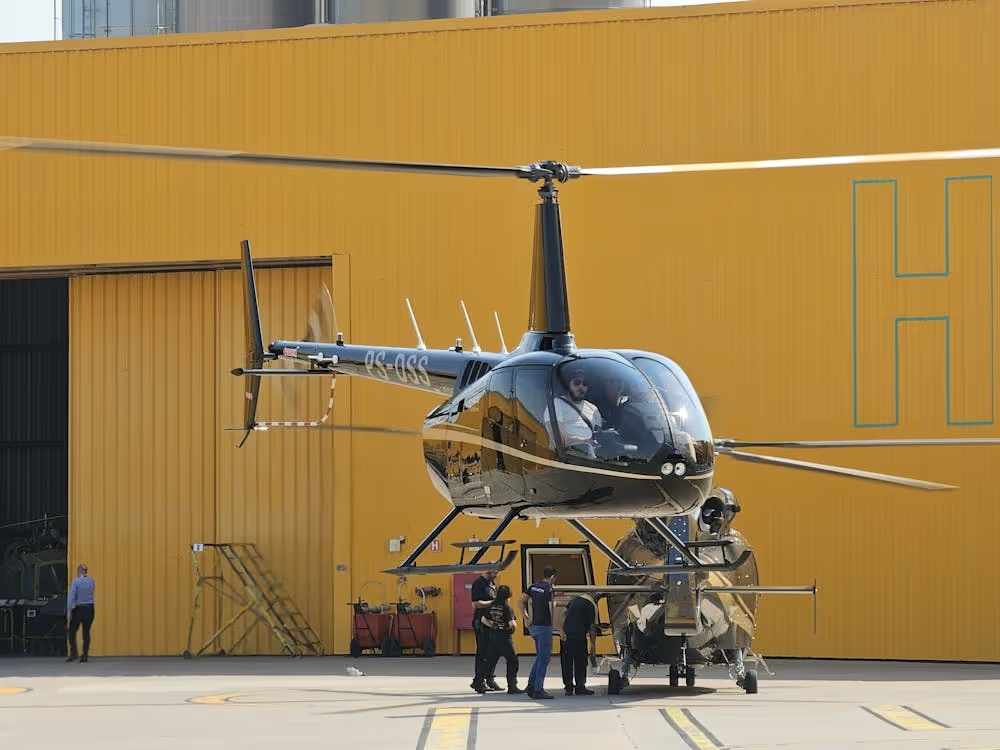
helicopter maintenance crew inspecting a black helicopter as another helicopter takes off
Photo by Eric Santos from Pexels

Pre-Flight Inspections: Setting the Safety Standard

Aviation technicians conduct detailed pre-flight inspections before a helicopter takes to the skies. These inspections are critical for maintaining operational standards.

Typical pre-flight tasks include:

  • Engine Inspections: Engines are assessed for signs of wear and tear. They must be fully operational and meet specific performance standards.

  • Rotor and Flight Control Evaluation: It’s important to check that rotor blades, hubs, and flight controls are aligned and in proper working order.

  • Electrical System Assessment: Testing and troubleshooting electrical equipment, avionics, and other components is necessary for reliability.

  • Fluid and System Checks: Oil, hydraulic fluid, and tire pressure levels must be optimal and show no signs of leakage.

  • Structural Verification: Doors and panels must be properly latched and secure.

  • Landing Gear Examination: Landing gear should be in good shape in case of an emergency.

These comprehensive pre-flight inspections form the foundation of safe helicopter flight. They also help prevent mechanical failures before they occur.

Maintenance Tasks During Flight: Standing By

Maintenance responsibilities don’t stop once a helicopter takes flight.

  • Standby: Technicians remain available to address any issues that might arise between missions, such as performance changes, warning lights, minor fluid leaks, unexpected vibrations, or component irregularities.

  • Radio Monitoring: In larger organizations, they may monitor radio communication in case they need to address an issue once a flight lands.

  • Preparation: Crews may prepare tools, equipment, aircraft parts, and documentation to ensure quick turnaround times once the helicopter lands. 

This continuous state of readiness guarantees maintenance teams can respond immediately to operational needs and minimize aircraft downtime.

Post-Flight Inspections and Feedback: Ensuring Continued Safety

Maintenance personnel get to work almost immediately once an aircraft returns. Post-flight checks help determine whether a helicopter can safely continue flying or needs further attention.

These inspections often include:

  • Pilot Log Review: Technicians evaluate pilot notes related to aircraft performance, sounds, or system behavior during flight. If needed, they may communicate with pilots and aerial teams directly to capture additional details and feedback.
  • Visual and Mechanical Evaluation: Critical components are rechecked for signs of stress, wear, or damage.
  • Aircraft Maintenance Determination: Finally, they decide whether the helicopter is cleared for the next mission or it must be grounded for further inspection.

Post-flight inspections and feedback allow personnel to address small issues before they escalate into larger safety concerns.

Scheduled and Unscheduled Maintenance Work: Critical Repairs

Helicopters regularly undergo deeper inspection and mechanical work beyond pre and post-flight evaluations. When a helicopter is out of service for scheduled or unscheduled maintenance, crews may remove, inspect, and repair—or replace—major components such as:

Several hours of service work may be required for every hour of flight time—especially after high-intensity operations, such as heavy-lift construction, aerial firefighting, or disaster response missions.
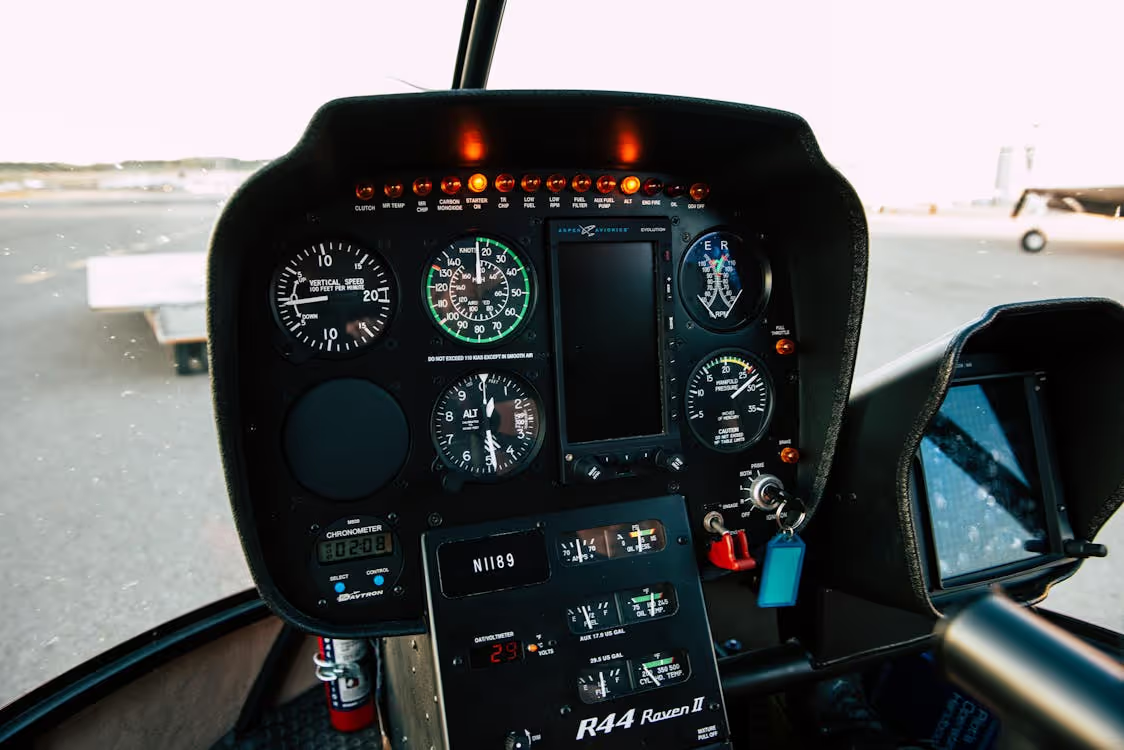
flight control system inside a helicopter cockpit
Photo by Mike Fox from Pexels

Documentation and Ongoing Training: Remaining Compliant

A large portion of a technician’s day is spent completing required documentation. Detailed logs are essential to maintain compliance with aviation safety standards. Ongoing education is necessary to ensure consistency and accountability across a wide variety of aviation projects.

Tasks include:

  • Thorough Record-Keeping: Personnel must accurately track the full service history of each aircraft, recording every inspection, test, modification, and part change.

  • Regulatory Compliance: Meticulous records are crucial for adherence to Federal Aviation Administration (FAA) standards and internal maintenance protocols.
  • Ongoing Training: Regular training on new systems, optimized procedures, and updated safety practices keep knowledge fresh and crews certified.

This commitment to record-keeping and education keeps helicopter service providers compliant and aerial teams safe.

Challenges Helicopter Maintenance Personnel Face

Even the most experienced maintenance professionals encounter difficulties, such as:

  • Complex Aircraft Systems: Modern helicopters feature mechanical, electrical, and digital systems that require specialized knowledge and deep expertise.

  • High Stakes: Every maintenance decision directly impacts the safety of pilots and other crew members, which places significant responsibility on technicians.

  • Time Pressure: Helicopters often support projects with tight deadlines, such as search and rescue operations, that leave little room for inspection and repair delays.

  • Limited Availability of Specialized Tools and Parts: Sourcing hard-to-find components and specialized equipment can cause frustrating delays, particularly for older aircraft models or those operating in remote locations.

  • Aviation Regulation Compliance: Maintenance experts must navigate complex FAA regulations and manufacturer requirements while maintaining detailed documentation for every procedure performed.

Despite these challenges, skilled aircraft care workers uphold the highest reliability standards and ensure mission readiness in all circumstances.
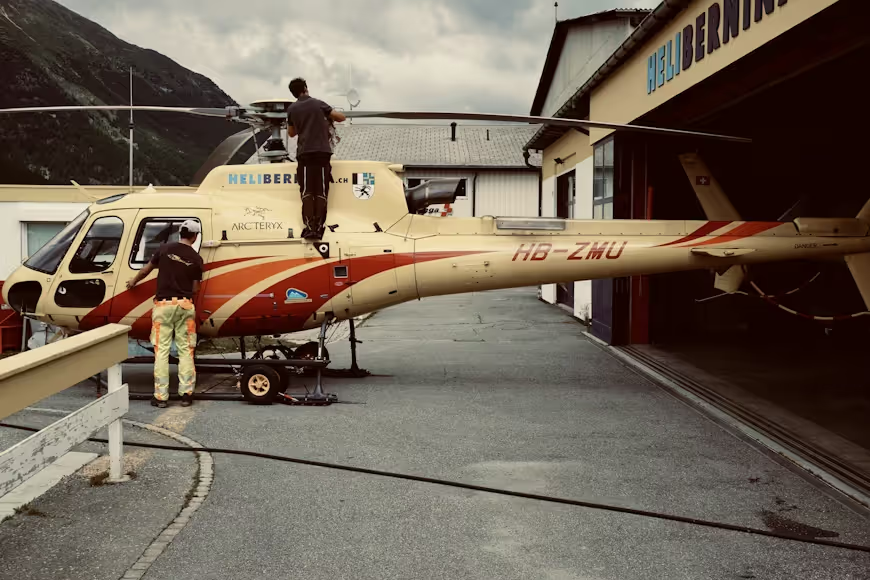
two helicopter maintenance technicians working on a red and yellow helicopter under cloudy skies
Photo by Azzedine Rouichi from Unsplash

Skills That Set Successful Technicians Apart

Some of the most important skills for success as a helicopter maintenance professional include:

  • Strong Technical Abilities: Service teams must understand aircraft systems and parts inside and out in order to diagnose and troubleshoot issues.

  • Deep Understanding of Safety and Maintenance Protocols: Detailed regulations determined by both the FAA and individual service providers must be followed to ensure operational integrity and compliance.

  • Problem-Solving Skills: Aircraft systems are complex and require strong analytical skills and the ability to think clearly under pressure.

  • Communication and Teamwork: The ability to communicate issues and solutions quickly and collaborate flawlessly with pilots, operations, and other technicians is paramount.

  • Physical Strength: Maintenance workers should be capable of lifting and moving heavy tools and aircraft components when necessary.

  • Attention to Detail: They must inspect aircraft, tools, and equipment in great detail, keeping thorough records of their work in order to safeguard operational integrity. 

Mastering this skill set allows maintenance professionals to excel in a demanding role and build rewarding careers in the aviation industry.

Certifications and Training Requirements

Most helicopter service professionals are FAA-certificated Aviation Maintenance Technicians (AMT). Common paths for achieving an Aviation Mechanic certificate include earning an:

  • Airframe (A) rating OR
  • Powerplant (P) rating OR
  • Both — commonly referred to as an "A&P Certificate"

Here are a few general FAA requirements

These credentials ensure maintenance workers are qualified to safely maintain aircraft operating in complex and regulated environments.
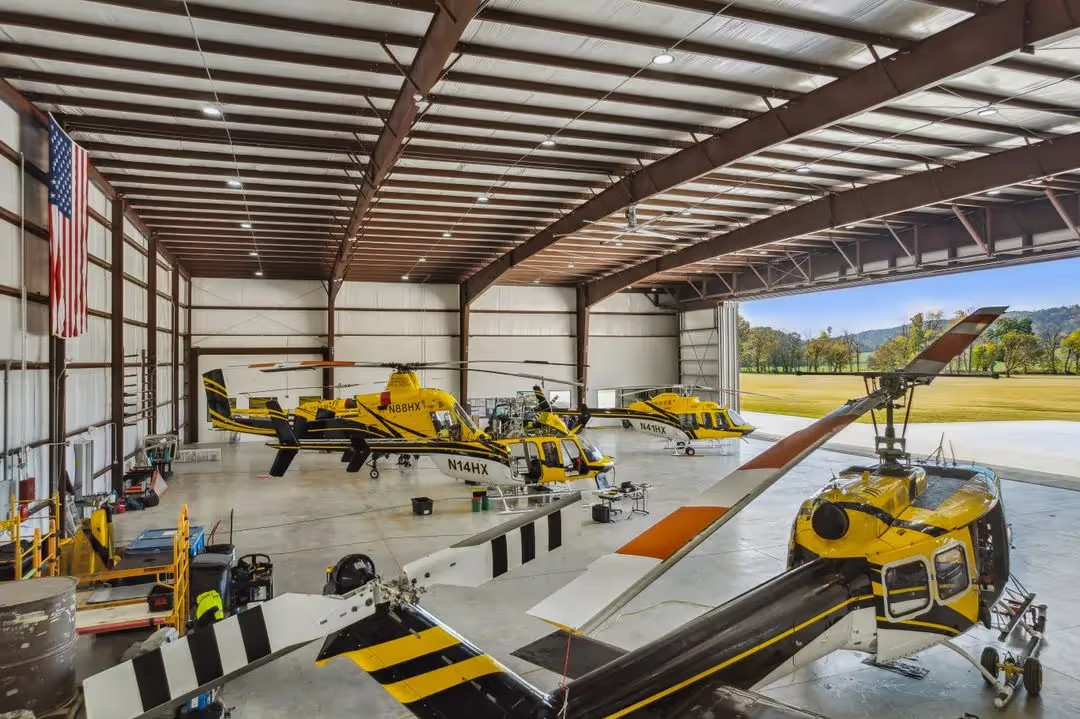
yellow, black, and white helicopters resting in Helicopter Express' North Georgia hangar
Photo from Helicopter Express

Why Safety Culture Matters When Choosing a Helicopter Partner 

Maintenance standards directly affect the safety and reliability of helicopter-assisted field work. That’s why it’s crucial for any organization hiring helicopter services to look for a provider that prioritizes:

  • Consistent communication and collaboration between pilots and technicians
  • Proactive maintenance protocols
  • Strong investment in training, tools, and equipment
  • A shared sense of responsibility and pride

This culture becomes even more vital for government agencies, construction managers, and emergency response teams that count on reliable helicopter service providers for high-pressure operations.

Hiring for your first helicopter project? Explore our step-by-step planning guide and learn how to choose a provider that keeps your mission safe, efficient, and on schedule.

Helicopter Express: Built on a Foundation of Rigorous Safety and Maintenance Standards

At Helicopter Express, proactive maintenance is a core pillar of our operation. Our approach offers:

  • State-of-the-Art Fleet and Facilities: We continually invest in the latest technologies and equipment to make our operations safe and environmentally responsible.

  • Rigorous Maintenance Protocols: Our well-maintained fleet and rigorous inspection and repair schedules guarantee reliable performance and minimal downtime.

  • Highly Trained Personnel: Our experienced pilots and well-trained technicians operate as a unified team.

  • Uncompromising Safety Standards: Safety is our unwavering priority. Every operation is planned and executed with the strictest adherence to industry standards.

Helicopter Express leaves no stone unturned when it comes to safeguarding our clients, our crew, and our community. With a legacy spanning over three decades and a spotless safety record, we promise unparalleled helicopter services.

If you’re ready to work with a proven helicopter partner, contact Helicopter Express today.

Behind the Scenes: A Day in the Life of a Helicopter Maintenance Crew

When a helicopter lifts a transmission tower into place or executes a time-sensitive emergency rescue, the spotlight typically shines on the aircraft itself and the pilot who operates it. But one imperative aspect of these complex operations that’s often overlooked is the maintenance work that begins long before the helicopter takes to the skies.

If you’re considering a career in helicopter repair work, applying to a role with a helicopter service provider, or planning to hire one for a high-stakes mission, this article will help you understand the behind-the-scenes reality of helicopter maintenance crews. These technicians work under tight timelines and intense pressure to ensure helicopters, flight crews, and the communities they serve stay safe.

Below, we’ll explore a typical day for helicopter technicians, outline the skills and certifications required, and examine common challenges they face on the job. You’ll also learn why a strong safety culture is essential and how Helicopter Express delivers safe, reliable helicopter operations—every time. 

The Daily Routine of a Helicopter Maintenance Crew

Helicopter servicing doesn’t follow a 9-to-5 schedule. Work hours typically align with flight activities, which may mean working early mornings, overnight shifts, and weekends. Extended rotations may also be required during peak seasons.

Regardless of work schedule, there are many required tasks before flight and after an aircraft returns to the hangar.

The Coordination Meeting: Setting the Tone for the Day

Most days begin with a quick meeting to review flight schedules, discuss reported issues, and prioritize tasks. This meeting sets the tone for everything that follows and includes:

  • Flight Schedule Review: Crews discuss planned operations, flight durations, and aircraft assignments to anticipate maintenance needs.

  • Maintenance Log Evaluation: Technicians review reports from the previous shift to identify unresolved problems and recurring issues.

  • Pilot Communication: It may be necessary to check in with pilots and aerial team members regarding any aircraft-related issues prior to takeoff.

  • Job Assignments: Flight schedules, inspections, and urgent repairs determine the day’s structure and priorities. 

By discussing concerns and sharing insights, technicians are able to resolve problems and complete tasks more quickly.

helicopter maintenance crew inspecting a black helicopter as another helicopter takes off
Photo by Eric Santos from Pexels

Pre-Flight Inspections: Setting the Safety Standard

Aviation technicians conduct detailed pre-flight inspections before a helicopter takes to the skies. These inspections are critical for maintaining operational standards.

Typical pre-flight tasks include:

  • Engine Inspections: Engines are assessed for signs of wear and tear. They must be fully operational and meet specific performance standards.

  • Rotor and Flight Control Evaluation: It’s important to check that rotor blades, hubs, and flight controls are aligned and in proper working order.

  • Electrical System Assessment: Testing and troubleshooting electrical equipment, avionics, and other components is necessary for reliability.

  • Fluid and System Checks: Oil, hydraulic fluid, and tire pressure levels must be optimal and show no signs of leakage.

  • Structural Verification: Doors and panels must be properly latched and secure.

  • Landing Gear Examination: Landing gear should be in good shape in case of an emergency.

These comprehensive pre-flight inspections form the foundation of safe helicopter flight. They also help prevent mechanical failures before they occur.

Maintenance Tasks During Flight: Standing By

Maintenance responsibilities don’t stop once a helicopter takes flight.

  • Standby: Technicians remain available to address any issues that might arise between missions, such as performance changes, warning lights, minor fluid leaks, unexpected vibrations, or component irregularities.

  • Radio Monitoring: In larger organizations, they may monitor radio communication in case they need to address an issue once a flight lands.

  • Preparation: Crews may prepare tools, equipment, aircraft parts, and documentation to ensure quick turnaround times once the helicopter lands. 

This continuous state of readiness guarantees maintenance teams can respond immediately to operational needs and minimize aircraft downtime.

Post-Flight Inspections and Feedback: Ensuring Continued Safety

Maintenance personnel get to work almost immediately once an aircraft returns. Post-flight checks help determine whether a helicopter can safely continue flying or needs further attention.

These inspections often include:

  • Pilot Log Review: Technicians evaluate pilot notes related to aircraft performance, sounds, or system behavior during flight. If needed, they may communicate with pilots and aerial teams directly to capture additional details and feedback.
  • Visual and Mechanical Evaluation: Critical components are rechecked for signs of stress, wear, or damage.
  • Aircraft Maintenance Determination: Finally, they decide whether the helicopter is cleared for the next mission or it must be grounded for further inspection.

Post-flight inspections and feedback allow personnel to address small issues before they escalate into larger safety concerns.

Scheduled and Unscheduled Maintenance Work: Critical Repairs

Helicopters regularly undergo deeper inspection and mechanical work beyond pre and post-flight evaluations. When a helicopter is out of service for scheduled or unscheduled maintenance, crews may remove, inspect, and repair—or replace—major components such as:

Several hours of service work may be required for every hour of flight time—especially after high-intensity operations, such as heavy-lift construction, aerial firefighting, or disaster response missions.

flight control system inside a helicopter cockpit
Photo by Mike Fox from Pexels

Documentation and Ongoing Training: Remaining Compliant

A large portion of a technician’s day is spent completing required documentation. Detailed logs are essential to maintain compliance with aviation safety standards. Ongoing education is necessary to ensure consistency and accountability across a wide variety of aviation projects.

Tasks include:

  • Thorough Record-Keeping: Personnel must accurately track the full service history of each aircraft, recording every inspection, test, modification, and part change.

  • Regulatory Compliance: Meticulous records are crucial for adherence to Federal Aviation Administration (FAA) standards and internal maintenance protocols.
  • Ongoing Training: Regular training on new systems, optimized procedures, and updated safety practices keep knowledge fresh and crews certified.

This commitment to record-keeping and education keeps helicopter service providers compliant and aerial teams safe.

Challenges Helicopter Maintenance Personnel Face

Even the most experienced maintenance professionals encounter difficulties, such as:

  • Complex Aircraft Systems: Modern helicopters feature mechanical, electrical, and digital systems that require specialized knowledge and deep expertise.

  • High Stakes: Every maintenance decision directly impacts the safety of pilots and other crew members, which places significant responsibility on technicians.

  • Time Pressure: Helicopters often support projects with tight deadlines, such as search and rescue operations, that leave little room for inspection and repair delays.

  • Limited Availability of Specialized Tools and Parts: Sourcing hard-to-find components and specialized equipment can cause frustrating delays, particularly for older aircraft models or those operating in remote locations.

  • Aviation Regulation Compliance: Maintenance experts must navigate complex FAA regulations and manufacturer requirements while maintaining detailed documentation for every procedure performed.

Despite these challenges, skilled aircraft care workers uphold the highest reliability standards and ensure mission readiness in all circumstances.

two helicopter maintenance technicians working on a red and yellow helicopter under cloudy skies
Photo by Azzedine Rouichi from Unsplash

Skills That Set Successful Technicians Apart

Some of the most important skills for success as a helicopter maintenance professional include:

  • Strong Technical Abilities: Service teams must understand aircraft systems and parts inside and out in order to diagnose and troubleshoot issues.

  • Deep Understanding of Safety and Maintenance Protocols: Detailed regulations determined by both the FAA and individual service providers must be followed to ensure operational integrity and compliance.

  • Problem-Solving Skills: Aircraft systems are complex and require strong analytical skills and the ability to think clearly under pressure.

  • Communication and Teamwork: The ability to communicate issues and solutions quickly and collaborate flawlessly with pilots, operations, and other technicians is paramount.

  • Physical Strength: Maintenance workers should be capable of lifting and moving heavy tools and aircraft components when necessary.

  • Attention to Detail: They must inspect aircraft, tools, and equipment in great detail, keeping thorough records of their work in order to safeguard operational integrity. 

Mastering this skill set allows maintenance professionals to excel in a demanding role and build rewarding careers in the aviation industry.

Certifications and Training Requirements

Most helicopter service professionals are FAA-certificated Aviation Maintenance Technicians (AMT). Common paths for achieving an Aviation Mechanic certificate include earning an:

  • Airframe (A) rating OR
  • Powerplant (P) rating OR
  • Both — commonly referred to as an "A&P Certificate"

Here are a few general FAA requirements

These credentials ensure maintenance workers are qualified to safely maintain aircraft operating in complex and regulated environments.

yellow, black, and white helicopters resting in Helicopter Express' North Georgia hangar
Photo from Helicopter Express

Why Safety Culture Matters When Choosing a Helicopter Partner 

Maintenance standards directly affect the safety and reliability of helicopter-assisted field work. That’s why it’s crucial for any organization hiring helicopter services to look for a provider that prioritizes:

  • Consistent communication and collaboration between pilots and technicians
  • Proactive maintenance protocols
  • Strong investment in training, tools, and equipment
  • A shared sense of responsibility and pride

This culture becomes even more vital for government agencies, construction managers, and emergency response teams that count on reliable helicopter service providers for high-pressure operations.

Hiring for your first helicopter project? Explore our step-by-step planning guide and learn how to choose a provider that keeps your mission safe, efficient, and on schedule.

Helicopter Express: Built on a Foundation of Rigorous Safety and Maintenance Standards

At Helicopter Express, proactive maintenance is a core pillar of our operation. Our approach offers:

  • State-of-the-Art Fleet and Facilities: We continually invest in the latest technologies and equipment to make our operations safe and environmentally responsible.

  • Rigorous Maintenance Protocols: Our well-maintained fleet and rigorous inspection and repair schedules guarantee reliable performance and minimal downtime.

  • Highly Trained Personnel: Our experienced pilots and well-trained technicians operate as a unified team.

  • Uncompromising Safety Standards: Safety is our unwavering priority. Every operation is planned and executed with the strictest adherence to industry standards.

Helicopter Express leaves no stone unturned when it comes to safeguarding our clients, our crew, and our community. With a legacy spanning over three decades and a spotless safety record, we promise unparalleled helicopter services.

If you’re ready to work with a proven helicopter partner, contact Helicopter Express today.

Make us your go-to team.

Our highly skilled pilots have the experience and equipment needed to rise to any challenge. When you need experts you can trust, give us a call.