Arctic Operations: Specialized Helicopter Services Above the Circle

Discover how helicopter operators support Arctic missions, the challenges they face in extreme cold, and why these aircraft are well suited to overcome weather-related obstacles.

Conditions can change rapidly above the unpredictable polar circle known as the Arctic Circle. This unforgiving environment experiences ice buildup and visibility drops that impact local communities, scientific researchers, and the helicopter crews who support them.

Below, we break down the unique roles of helicopters in the Arctic, along with the challenges they face and the strategies operators use to maintain safety and performance in extreme conditions.

Why Helicopters Are Essential to Arctic Operations

Operating in the Arctic requires equipment that performs reliably in unforgiving conditions. Helicopters offer unmatched flexibility and performance during a wide range of polar activities.

  • Mobility: Helicopters can land and deploy without runways or established landing zones, offering a core advantage for missions that take place in frozen tundra.

  • Cold Weather Performance: During cold weather operations, helicopter operators don’t leave anything to chance. They rely on advanced anti-icing systems, meticulous flight plans, and other proactive strategies for peak performance, despite obstacles like freezing temperatures and low visibility.

  • Versatility: Helicopters are called upon for a wide range of mission types, from cargo transport and personnel deployment to aerial surveys and emergency response.

  • Adaptability: These unique aircraft can be rapidly configured to meet shifting mission demands, whether that involves specialized equipment for ice reconnaissance, search and rescue capabilities, or external load operations.

The Many Roles of Helicopters in Arctic Operations

Helicopters support a wide variety of expeditions in polar regions, whether keeping maritime operations safe or enabling climate research and emergency response.

Navigational Support

One application of helicopters above the Arctic Circle is ice reconnaissance. Through overhead flight and advanced instruments, aerial crews support maritime safety by observing and analyzing elements such as ice conditions, coverage, and icebergs.
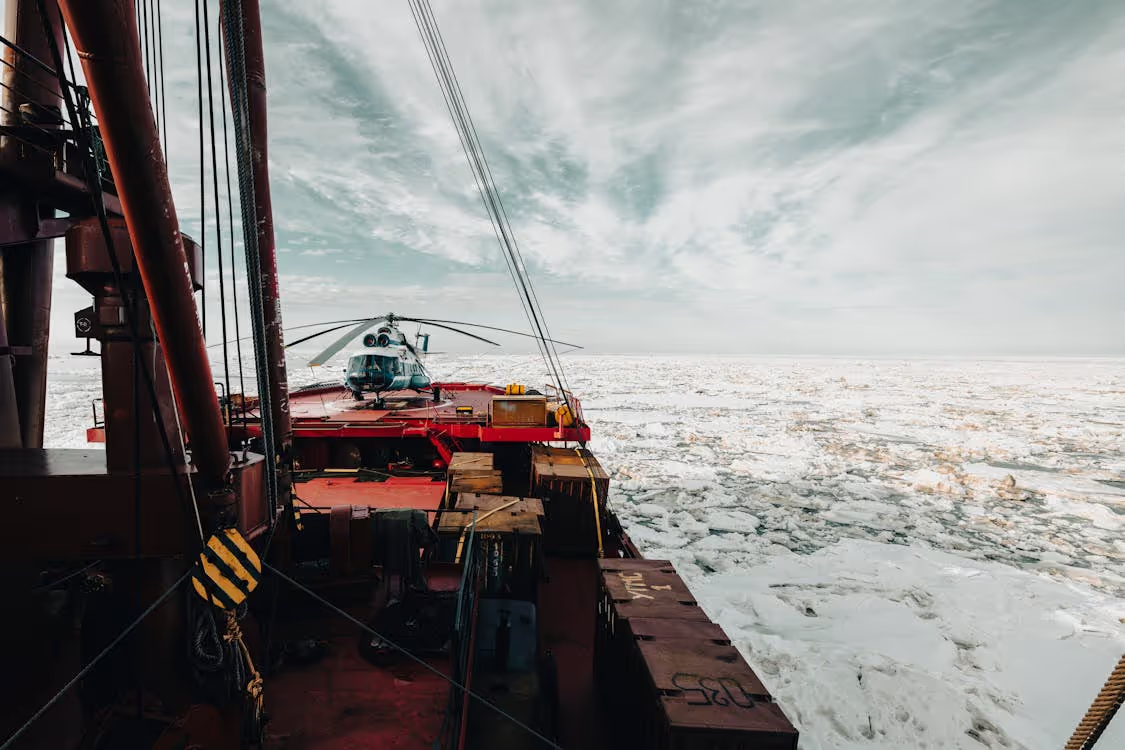
white helicopter resting on an icebreaker in the ice-covered Arctic Ocean
Photo by Dmitriy Ryndin from Pexels

This real-time aerial data collection helps helicopter teams:

  • Identify safe routes and navigable channels for ships, thereby boosting efficiency while reducing fuel consumption and operational risk
  • Gather data on ice thickness, concentration, and movement for official maps and charts
  • Provide intel that guides emergency operations, like oil spill cleanup

Here’s a recent example of ice reconnaissance in action: the U.S. Army's Engineering Research and Development Center (ERDC) found that aircraft can safely land on “quality ice” that is 10 inches thinner than older standards assumed. This information is being used to refine operational safety standards and decision-making in Arctic environments.

Emergency Response

In off-grid polar regions, emergency response efforts depend on access, speed, and coordination. Helicopters excel in all three areas, supporting emergency efforts by:

  • Evacuating ill or injured people from isolated Arctic communities to nearby hospitals
  • Transporting rescue workers and cargo to hard-to-reach areas during emergencies or disasters
  • Identifying and assessing oil spills and deploying clean-up equipment that stops spread
  • Patrolling high risk and sensitive areas to detect marine pollution early
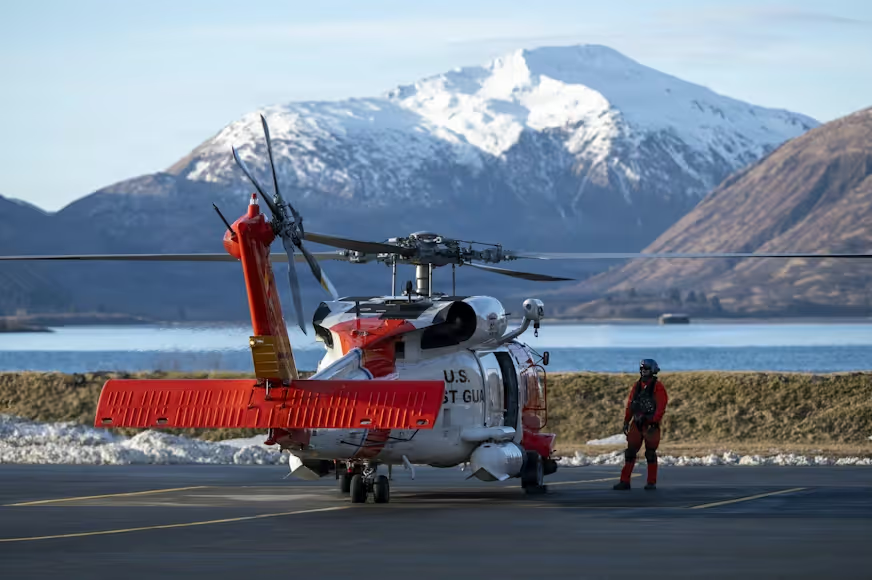
Coast Guard helicopter and crew member on a tarmac in front of water and a snow-covered mountain
Photo by Navy Medicine from Unsplash 

Polar Research

Helicopters offer unique capabilities like long-distance flight, precise navigation in tight spaces, and safe landings in confined or underdeveloped areas where large ships cannot go.

These characteristics allow them to support scientific research by:

  • Transporting scientists and instruments to remote Arctic stations
  • Gathering data on ice thickness, concentration, and movement
  • Assessing glacier safety and mapping internal glacial conditions
  • Measuring elements like ocean temperatures and salinity

Conservation and Wildlife Monitoring

Aerial visibility enables researchers and conservationists to evaluate ecosystems at scale with minimal disruption to wildlife.

Rotorcraft play an important role in protection efforts by:

  • Monitoring ecosystem health and habitat changes linked to climate change or human activity
  • Assessing the effectiveness of conservation strategies
  • Ensuring sustainable hunting practices are followed

Transportation and Infrastructure Support

Marine navigational aids are often located in out-of-the-way places. In areas where roads, ports, and runways are limited or nonexistent, helicopters serve as the most effective mode of transportation.

Rotorcraft support supply delivery and infrastructure efforts by:

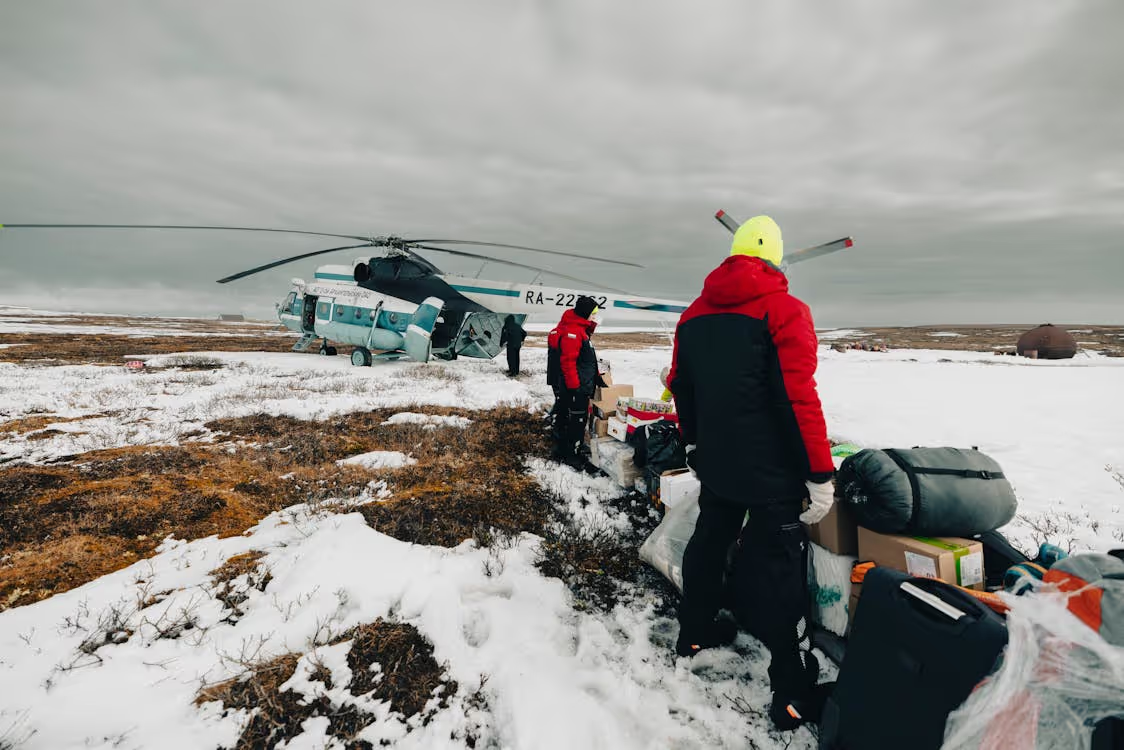
men with supplies beside a white helicopter during a supply drop in the Arctic tundra
Photo by Dmitriy Ryndin from Pexels

Indigenous Community Connections

Helicopters also serve as a link between isolated Arctic communities and essential services, health care, and supplies. In vast areas where ice roads are unreliable, they support housing and infrastructure needs by delivering:

  • Building materials
  • Repair parts
  • Fuel

This keeps Indigenous communities connected despite geographic and environmental difficulties.

Challenges of Arctic Missions (and How Helicopter Operators Overcome Them)

Even the most powerful aircraft are susceptible to cold weather impacts. From freezing temperatures and ice buildup to reduced visibility, these are the primary challenges aerial teams face during Arctic operations—and the techniques crews rely on to overcome them.

Challenge #1: Reduced Performance

Because cold air is denser and richer in oxygen, helicopters actually enjoy better engine efficiency and lift in lower temperatures. However, dense air combined with increased moisture levels can compromise flight safety by turning into ice, freezing rain, or snow. When air temperature and dew point are within about 4°C, the risk of rapid ice formation increases.

Solutions

  • Pre-Flight Inspections: Meticulous assessments of the helicopter’s rotor blades, intakes, and sensors is vital, as these parts are most vulnerable to icing. Crews must ensure de-icing and anti-icing systems, communication systems, and fuel systems are working properly. External loads may need to be adjusted to account for potentially decreased performance that could accompany cold weather.
  • Pre-Flight Planning: Before any Arctic mission, helicopter teams must analyze weather, determine optimal flight paths based on current and projected conditions, and pinpoint alternative routes and airfields in preparation for emergencies. This information must be communicated to the pilot, the aerial crew, and ground crews during the pre-flight briefing.
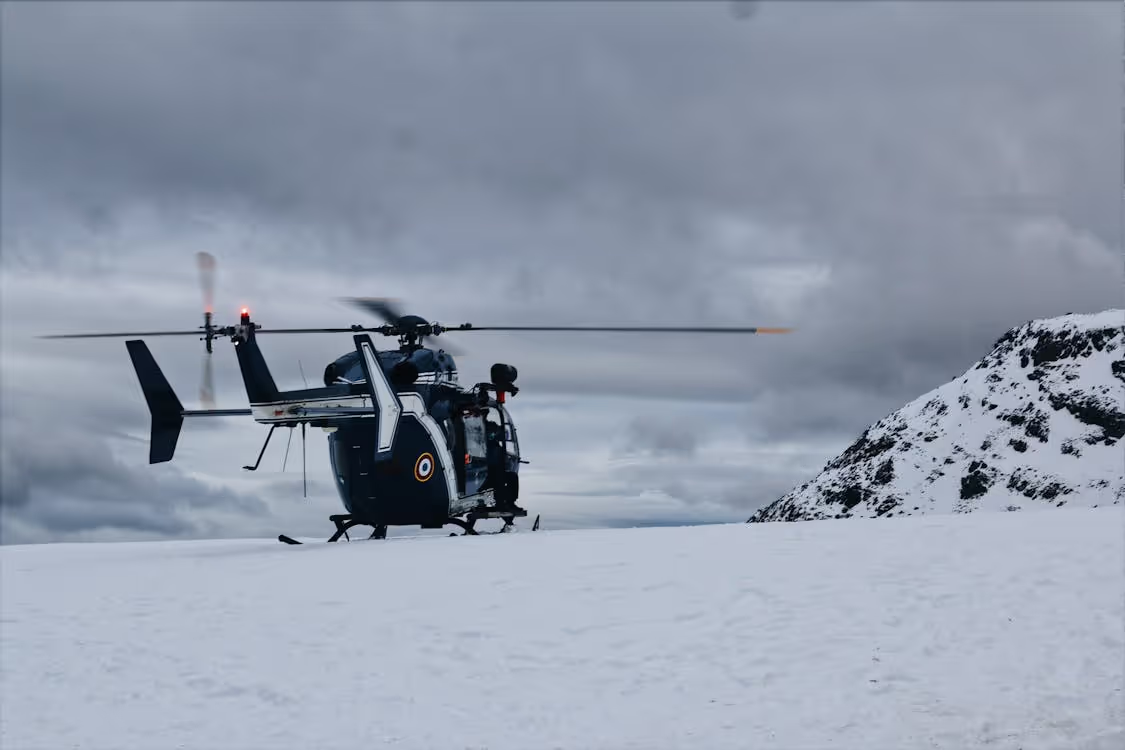
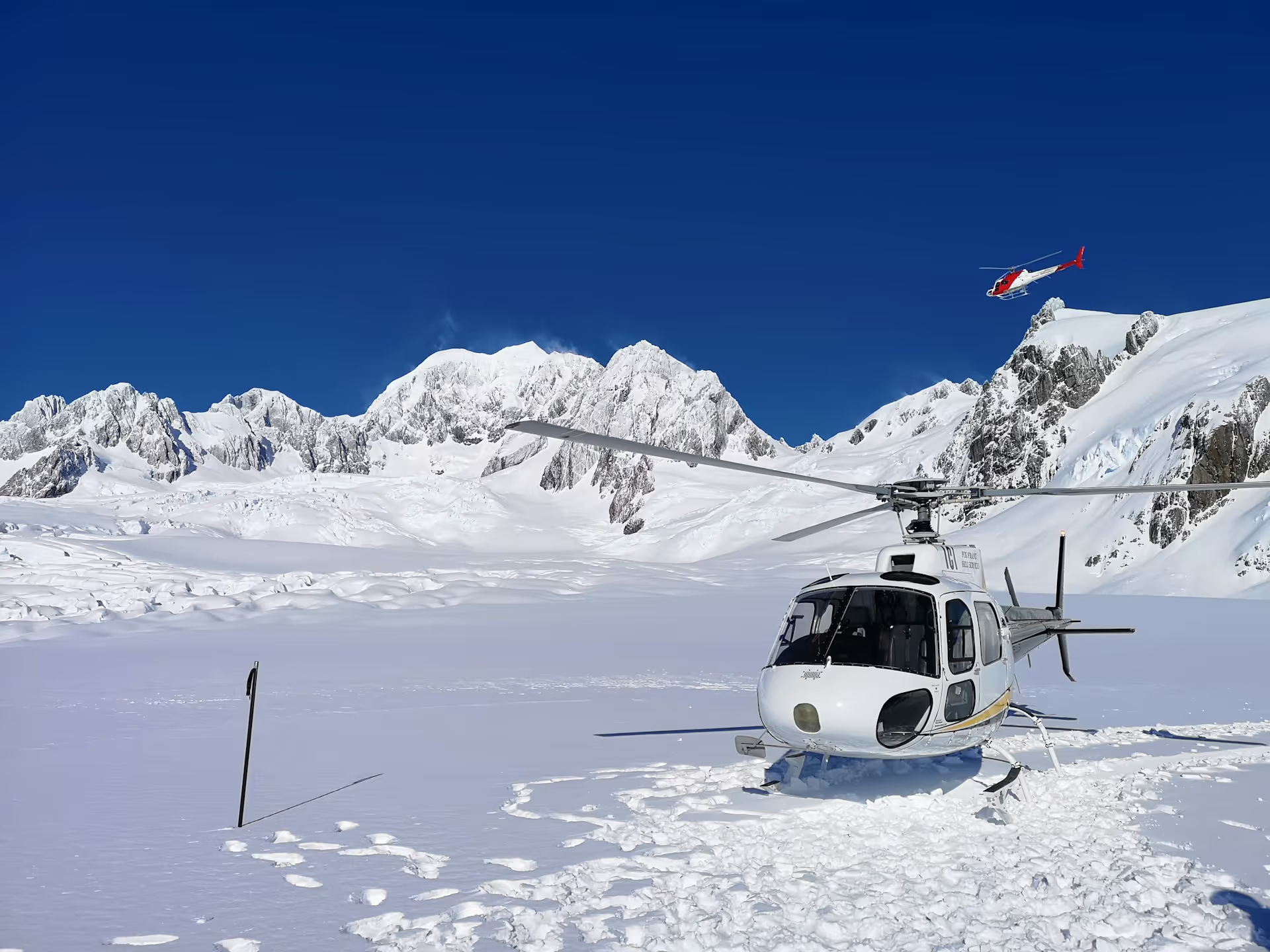
navy and white helicopter resting on snow-covered ground under cloudy skies
Photo by Maël BALLAND from Pexels

Challenge #2: Hazardous Icing Conditions

Another risk helicopters face during cold weather missions is ice buildup, which is most likely to occur between -4°F and 32°F. Rotor downwash can disperse moisture and frozen particles into critical areas of the aircraft, such as its engine and sensors, resulting in damage or flameouts. 

Ice accumulation on rotor blades and fuselage presents another hazard since it has the potential to increase drag and reduce a pilot’s ability to generate lift. 

Beyond these immediate effects, icing can also intensify vibration, degrade autorotational ability, and limit overall aircraft performance by reducing range, endurance, and climb capability.

Solutions

  • De-Icing and Anti-Icing Systems: These systems help prevent detrimental impacts to aerodynamics and reduced performance in one of two ways: by applying anti-icing fluids that prevent ice from forming, or through heating key surfaces using electrical elements or hot air from the engine. Modern helicopters may be outfitted with winterization equipment like engine inlet anti-icing mechanisms, heated rotor blades, windscreens, and hoist heaters as well.

  • Aircraft Hangars: Helicopters should be kept in hangars when they’re off the clock to avoid ice buildup and frost. At Helicopter Express’ state-of-the-art aircraft facility in North Georgia, our aircraft hangar ensures long-term protection of our modern fleet.

  • Weight Adjustments: Because ice accumulation adds weight, crews must account for the possibility of freezing conditions when loading and balancing cargo. Heavy-lift helicopters can lift thousands of pounds, but weight limits should never be exceeded.

Challenge #3: Poor Visibility

Decreased visibility due to clouds and low illumination is a contributing factor in most fatal weather-related helicopter accidents. That’s because rain, snow, fog, and darkness cover visual cues and impede spatial awareness.

Solutions

  • Specialized Training: Pilots should be trained to anticipate and recognize deteriorating weather conditions, understanding when and how to adjust planned flight paths or make emergency landings.
  • Conservative Operating Rules: Operators must always prioritize safety, opting to stay grounded or make an emergency landing when visibility is marginal. Establishing high standards for acceptable weather creates a necessary safety buffer for low-light Arctic flight.

Challenge #4: Crew Coordination Difficulties

Extreme cold, low visibility, and ice accumulation can quickly complicate flight operations, increasing risk for both pilots and crew members. Maintaining safety in these conditions depends on thorough training, clear communication, and disciplined execution of procedures across the entire team.

Solutions

  • Rigorous Training: Pilots who work in freezing conditions must be trained and experienced in all kinds of weather. They should know how to navigate in low visibility, use de-icing and anti-icing systems effectively, and avoid the detrimental impacts of ice accumulation.
  • Crew Preparation: Both ground crews and flight teams should be briefed on operational procedures and emergency protocols, as well as how to manage the impact of unexpected ice buildup. Unfavorable weather can increase workloads and pull focus from the most critical aspects of flight safety.

  • Clear Communication: When temperatures drop and weather changes suddenly, communication between pilots, crews, and air traffic control becomes even more essential. Concerns must be shared with pilots immediately so they can request the information and assistance they need for smarter decision-making during flight.

Partner with Helicopter Express for Reliable Arctic Support

Arctic operations require capable aircraft, experienced crews, meticulous planning, and a commitment to safety in the most unpredictable conditions. The team at Helicopter Express is equipped to handle complex missions in challenging environments, whether your project requires heavy-lift capabilities, aerial assessments, or disaster response.

Get in touch with us today to learn how our elite pilots and fleet can boost your project efficiency while keeping operations safe, no matter how difficult the conditions.

Arctic Operations: Specialized Helicopter Services Above the Circle

Conditions can change rapidly above the unpredictable polar circle known as the Arctic Circle. This unforgiving environment experiences ice buildup and visibility drops that impact local communities, scientific researchers, and the helicopter crews who support them.

Below, we break down the unique roles of helicopters in the Arctic, along with the challenges they face and the strategies operators use to maintain safety and performance in extreme conditions.

Why Helicopters Are Essential to Arctic Operations

Operating in the Arctic requires equipment that performs reliably in unforgiving conditions. Helicopters offer unmatched flexibility and performance during a wide range of polar activities.

  • Mobility: Helicopters can land and deploy without runways or established landing zones, offering a core advantage for missions that take place in frozen tundra.

  • Cold Weather Performance: During cold weather operations, helicopter operators don’t leave anything to chance. They rely on advanced anti-icing systems, meticulous flight plans, and other proactive strategies for peak performance, despite obstacles like freezing temperatures and low visibility.

  • Versatility: Helicopters are called upon for a wide range of mission types, from cargo transport and personnel deployment to aerial surveys and emergency response.

  • Adaptability: These unique aircraft can be rapidly configured to meet shifting mission demands, whether that involves specialized equipment for ice reconnaissance, search and rescue capabilities, or external load operations.

The Many Roles of Helicopters in Arctic Operations

Helicopters support a wide variety of expeditions in polar regions, whether keeping maritime operations safe or enabling climate research and emergency response.

Navigational Support

One application of helicopters above the Arctic Circle is ice reconnaissance. Through overhead flight and advanced instruments, aerial crews support maritime safety by observing and analyzing elements such as ice conditions, coverage, and icebergs.

white helicopter resting on an icebreaker in the ice-covered Arctic Ocean
Photo by Dmitriy Ryndin from Pexels

This real-time aerial data collection helps helicopter teams:

  • Identify safe routes and navigable channels for ships, thereby boosting efficiency while reducing fuel consumption and operational risk
  • Gather data on ice thickness, concentration, and movement for official maps and charts
  • Provide intel that guides emergency operations, like oil spill cleanup

Here’s a recent example of ice reconnaissance in action: the U.S. Army's Engineering Research and Development Center (ERDC) found that aircraft can safely land on “quality ice” that is 10 inches thinner than older standards assumed. This information is being used to refine operational safety standards and decision-making in Arctic environments.

Emergency Response

In off-grid polar regions, emergency response efforts depend on access, speed, and coordination. Helicopters excel in all three areas, supporting emergency efforts by:

  • Evacuating ill or injured people from isolated Arctic communities to nearby hospitals
  • Transporting rescue workers and cargo to hard-to-reach areas during emergencies or disasters
  • Identifying and assessing oil spills and deploying clean-up equipment that stops spread
  • Patrolling high risk and sensitive areas to detect marine pollution early
Coast Guard helicopter and crew member on a tarmac in front of water and a snow-covered mountain
Photo by Navy Medicine from Unsplash 

Polar Research

Helicopters offer unique capabilities like long-distance flight, precise navigation in tight spaces, and safe landings in confined or underdeveloped areas where large ships cannot go.

These characteristics allow them to support scientific research by:

  • Transporting scientists and instruments to remote Arctic stations
  • Gathering data on ice thickness, concentration, and movement
  • Assessing glacier safety and mapping internal glacial conditions
  • Measuring elements like ocean temperatures and salinity

Conservation and Wildlife Monitoring

Aerial visibility enables researchers and conservationists to evaluate ecosystems at scale with minimal disruption to wildlife.

Rotorcraft play an important role in protection efforts by:

  • Monitoring ecosystem health and habitat changes linked to climate change or human activity
  • Assessing the effectiveness of conservation strategies
  • Ensuring sustainable hunting practices are followed

Transportation and Infrastructure Support

Marine navigational aids are often located in out-of-the-way places. In areas where roads, ports, and runways are limited or nonexistent, helicopters serve as the most effective mode of transportation.

Rotorcraft support supply delivery and infrastructure efforts by:

men with supplies beside a white helicopter during a supply drop in the Arctic tundra
Photo by Dmitriy Ryndin from Pexels

Indigenous Community Connections

Helicopters also serve as a link between isolated Arctic communities and essential services, health care, and supplies. In vast areas where ice roads are unreliable, they support housing and infrastructure needs by delivering:

  • Building materials
  • Repair parts
  • Fuel

This keeps Indigenous communities connected despite geographic and environmental difficulties.

Challenges of Arctic Missions (and How Helicopter Operators Overcome Them)

Even the most powerful aircraft are susceptible to cold weather impacts. From freezing temperatures and ice buildup to reduced visibility, these are the primary challenges aerial teams face during Arctic operations—and the techniques crews rely on to overcome them.

Challenge #1: Reduced Performance

Because cold air is denser and richer in oxygen, helicopters actually enjoy better engine efficiency and lift in lower temperatures. However, dense air combined with increased moisture levels can compromise flight safety by turning into ice, freezing rain, or snow. When air temperature and dew point are within about 4°C, the risk of rapid ice formation increases.

Solutions

  • Pre-Flight Inspections: Meticulous assessments of the helicopter’s rotor blades, intakes, and sensors is vital, as these parts are most vulnerable to icing. Crews must ensure de-icing and anti-icing systems, communication systems, and fuel systems are working properly. External loads may need to be adjusted to account for potentially decreased performance that could accompany cold weather.
  • Pre-Flight Planning: Before any Arctic mission, helicopter teams must analyze weather, determine optimal flight paths based on current and projected conditions, and pinpoint alternative routes and airfields in preparation for emergencies. This information must be communicated to the pilot, the aerial crew, and ground crews during the pre-flight briefing.
navy and white helicopter resting on snow-covered ground under cloudy skies
Photo by Maël BALLAND from Pexels

Challenge #2: Hazardous Icing Conditions

Another risk helicopters face during cold weather missions is ice buildup, which is most likely to occur between -4°F and 32°F. Rotor downwash can disperse moisture and frozen particles into critical areas of the aircraft, such as its engine and sensors, resulting in damage or flameouts. 

Ice accumulation on rotor blades and fuselage presents another hazard since it has the potential to increase drag and reduce a pilot’s ability to generate lift. 

Beyond these immediate effects, icing can also intensify vibration, degrade autorotational ability, and limit overall aircraft performance by reducing range, endurance, and climb capability.

Solutions

  • De-Icing and Anti-Icing Systems: These systems help prevent detrimental impacts to aerodynamics and reduced performance in one of two ways: by applying anti-icing fluids that prevent ice from forming, or through heating key surfaces using electrical elements or hot air from the engine. Modern helicopters may be outfitted with winterization equipment like engine inlet anti-icing mechanisms, heated rotor blades, windscreens, and hoist heaters as well.

  • Aircraft Hangars: Helicopters should be kept in hangars when they’re off the clock to avoid ice buildup and frost. At Helicopter Express’ state-of-the-art aircraft facility in North Georgia, our aircraft hangar ensures long-term protection of our modern fleet.

  • Weight Adjustments: Because ice accumulation adds weight, crews must account for the possibility of freezing conditions when loading and balancing cargo. Heavy-lift helicopters can lift thousands of pounds, but weight limits should never be exceeded.

Challenge #3: Poor Visibility

Decreased visibility due to clouds and low illumination is a contributing factor in most fatal weather-related helicopter accidents. That’s because rain, snow, fog, and darkness cover visual cues and impede spatial awareness.

Solutions

  • Specialized Training: Pilots should be trained to anticipate and recognize deteriorating weather conditions, understanding when and how to adjust planned flight paths or make emergency landings.
  • Conservative Operating Rules: Operators must always prioritize safety, opting to stay grounded or make an emergency landing when visibility is marginal. Establishing high standards for acceptable weather creates a necessary safety buffer for low-light Arctic flight.

Challenge #4: Crew Coordination Difficulties

Extreme cold, low visibility, and ice accumulation can quickly complicate flight operations, increasing risk for both pilots and crew members. Maintaining safety in these conditions depends on thorough training, clear communication, and disciplined execution of procedures across the entire team.

Solutions

  • Rigorous Training: Pilots who work in freezing conditions must be trained and experienced in all kinds of weather. They should know how to navigate in low visibility, use de-icing and anti-icing systems effectively, and avoid the detrimental impacts of ice accumulation.
  • Crew Preparation: Both ground crews and flight teams should be briefed on operational procedures and emergency protocols, as well as how to manage the impact of unexpected ice buildup. Unfavorable weather can increase workloads and pull focus from the most critical aspects of flight safety.

  • Clear Communication: When temperatures drop and weather changes suddenly, communication between pilots, crews, and air traffic control becomes even more essential. Concerns must be shared with pilots immediately so they can request the information and assistance they need for smarter decision-making during flight.

Partner with Helicopter Express for Reliable Arctic Support

Arctic operations require capable aircraft, experienced crews, meticulous planning, and a commitment to safety in the most unpredictable conditions. The team at Helicopter Express is equipped to handle complex missions in challenging environments, whether your project requires heavy-lift capabilities, aerial assessments, or disaster response.

Get in touch with us today to learn how our elite pilots and fleet can boost your project efficiency while keeping operations safe, no matter how difficult the conditions.

Make us your go-to team.

Our highly skilled pilots have the experience and equipment needed to rise to any challenge. When you need experts you can trust, give us a call.