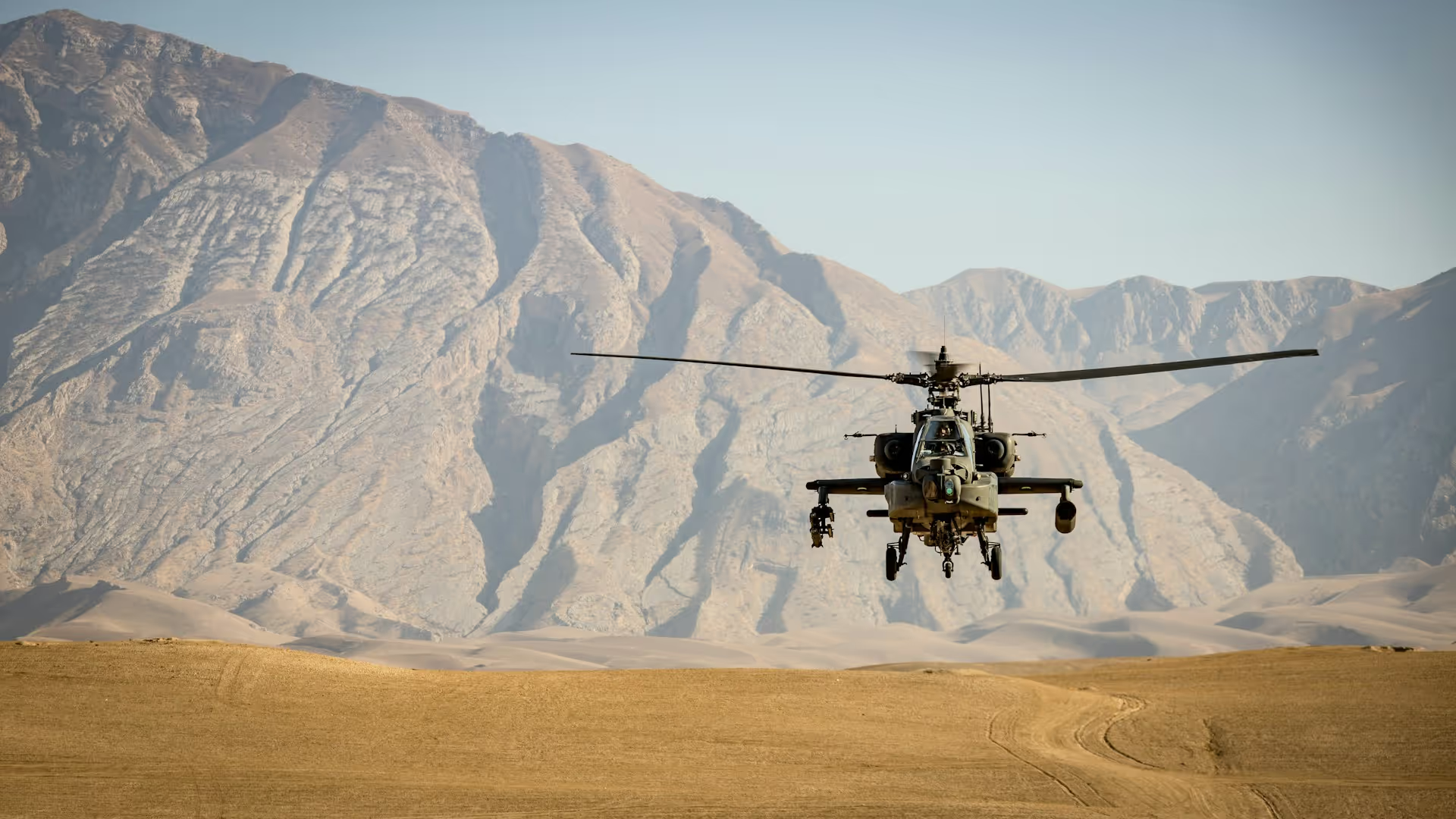
Desert Ecosystem Studies: Helicopter Access to Fragile Environments

Discover how helicopters support desert ecosystem studies and learn about the environmental considerations and flight protocols that help protect fragile habitats.

Deserts may appear lifeless at first glance, but scientists know they are some of the world’s most environmentally complex regions. Occupying one-fifth of Earth’s land surface, these dry landscapes are home to plants, animals, and other organisms that have adapted to life with little precipitation. But scarce water, extreme temperatures, and delicate soil systems mean even small disturbances can cause long-lasting effects.

Aerial operations enable access to vast deserts without damaging habitats. Whether called upon for wildlife surveys, climate research, or conservation planning, helicopters make it possible to safely gather data from arid regions with limited disruption to the species that live there. 

In this blog, you’ll learn how helicopters assist desert ecosystem studies, the environmental considerations involved, and the flight protocols that help protect sensitive habitats. 

What Are Desert Ecosystem Studies?

Desert ecosystem studies examine how living organisms and physical environments interact in arid regions. These areas receive no more than 10 inches of precipitation a year, and yet they support 17% of the human population and contain biodiversity that doesn’t exist elsewhere on the planet. 

Researchers conduct field experiments, modeling, and data analysis of these environmentally critical biomes to better understand:

  • Climate patterns
  • Species survival mechanisms
  • Strategies for sustainable land management
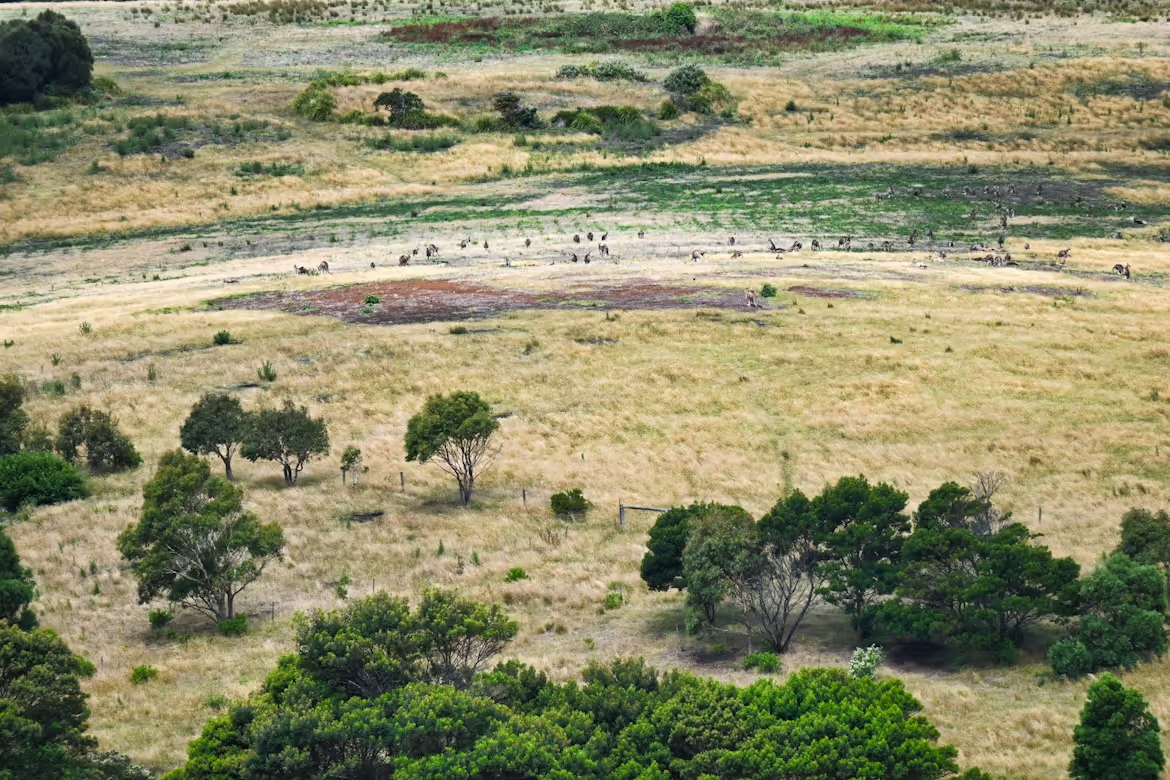
overhead view of wild animals and trees in the desert
Photo by Enguerrand Photography from Unsplash

Key Areas of Desert Ecosystem Studies

  • Abiotic Factors: Analysis of water scarcity, wind patterns, soil composition, and temperature fluctuations that can exceed 75°F in a single day

  • Biotic Factors: Plant, animal, and microorganism research that helps scientists understand specialized survival mechanisms, such as heat tolerance and water conservation methods

  • Biodiversity Monitoring: Tracking of species distribution and habitat health to detect signs of degradation and enable the recovery of threatened plants and animals

  • Climate Studies: Assessment of how urban expansion, agriculture, and energy development impact fragile arid environments

  • Resource Management: Development of strategies for groundwater protection, habitat restoration, and sustainable land use 

Because deserts are both remote and vast, scientists have come to depend on helicopter support as a valuable research tool.

The Role of Helicopters in Desert Ecosystem Research

Helicopters offer many unique operational capabilities that ground vehicles and fixed-wing aircraft cannot match, including their ability to:

  • Deploy quickly
  • Carry thousands of pounds of research tools and equipment
  • Maneuver through tight spaces and over rough terrain with precision 
  • Hover when necessary
  • Land in confined areas without roads or runways

These characteristics allow research teams to quickly access remote areas of study while minimizing ground disturbances. 
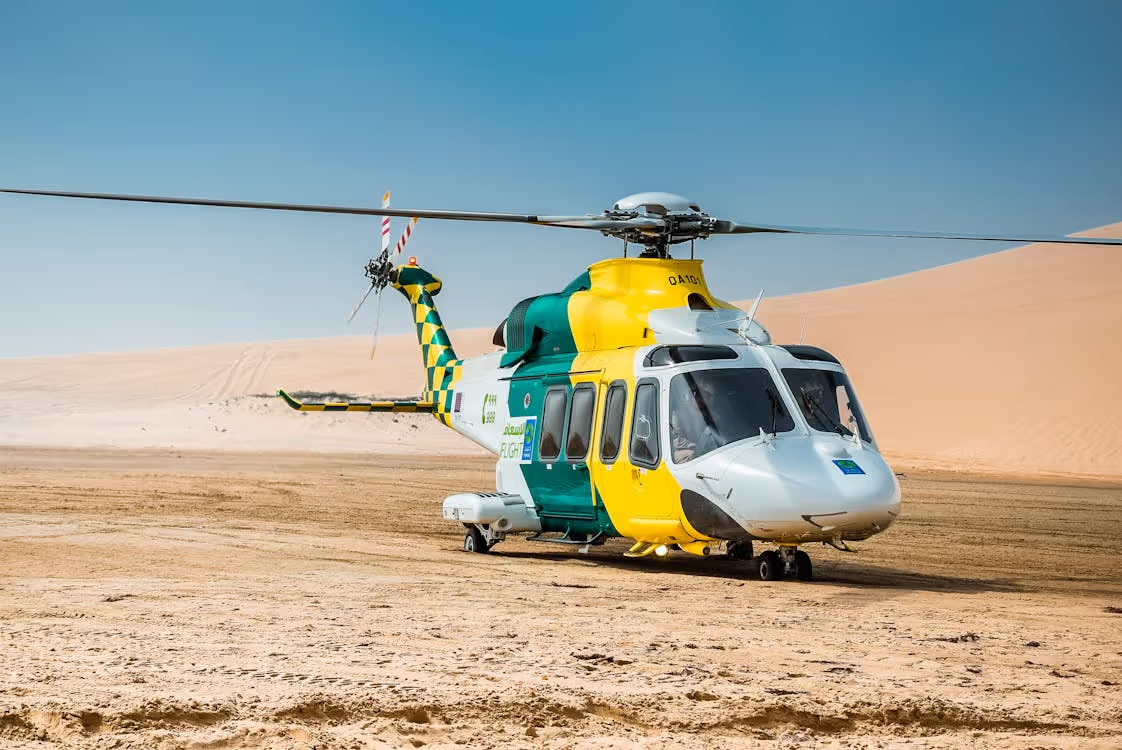
green, yellow, and white medical helicopter resting on desert sand in Qatar
Photo by Waseem Lazkani from Pexels

Common Research Applications

Here’s how helicopters assist scientific research:

  • Ecosystem Health Monitoring: Aerial imaging allows researchers to map habitats and rapidly evaluate characteristics like water sources, vegetation density, grazing impacts, dune movement, erosion patterns, and habitat fragmentation across vast landscapes.

  • Conservation and Species Protection: Biologists and conservationists can conduct aerial counts of species, assist with animal tracking and relocation efforts, and monitor vital habitats for wildlife conservation efforts.

  • Invasive Species Management: Helicopters support aerial surveys and targeted treatment programs for the management of invasive species and pest outbreaks.

  • Instrumented Research Flights: Helicopters can carry advanced instruments such as LiDAR systems, hyperspectral sensors, thermal imaging cameras, and other tools that measure atmospheric conditions and shifts in response to climate variability or land use.

  • Seasonal Event Studies: Rotorcraft enable efficient studies of seasonal events—like dust storms—that can affect air quality, hurricane formation, ocean ecosystems, and the global climate.

  • Identification and Evaluation of Human Hazards: Human hazards like sinkholes, “red tide” events, and natural disasters can be quickly identified and evaluated through aerial assessments.

  • Rapid Damage Assessments: After extreme storms, wildfires, or large-scale pollution events occur in desert areas, aerial teams can quickly evaluate damage when ground access is limited or slow.

Learn more about the multifaceted role of helicopters in scientific research, from conservation and marine science to geology and meteorology.

Assessing the Environmental Impact of Desert Aircraft Operations

While helicopters are essential tools for the conservation and management of both desert landscapes and species, wild animals have been shown to react to low-altitude aircraft flights

Animal responses vary depending on factors such as:

  • Species
  • Habitat type
  • Previous aircraft exposure
  • Flight activities

However, scientists, wildlife managers, and conservationists have all expressed concern about the consequences of aircraft noise on local animal populations. 
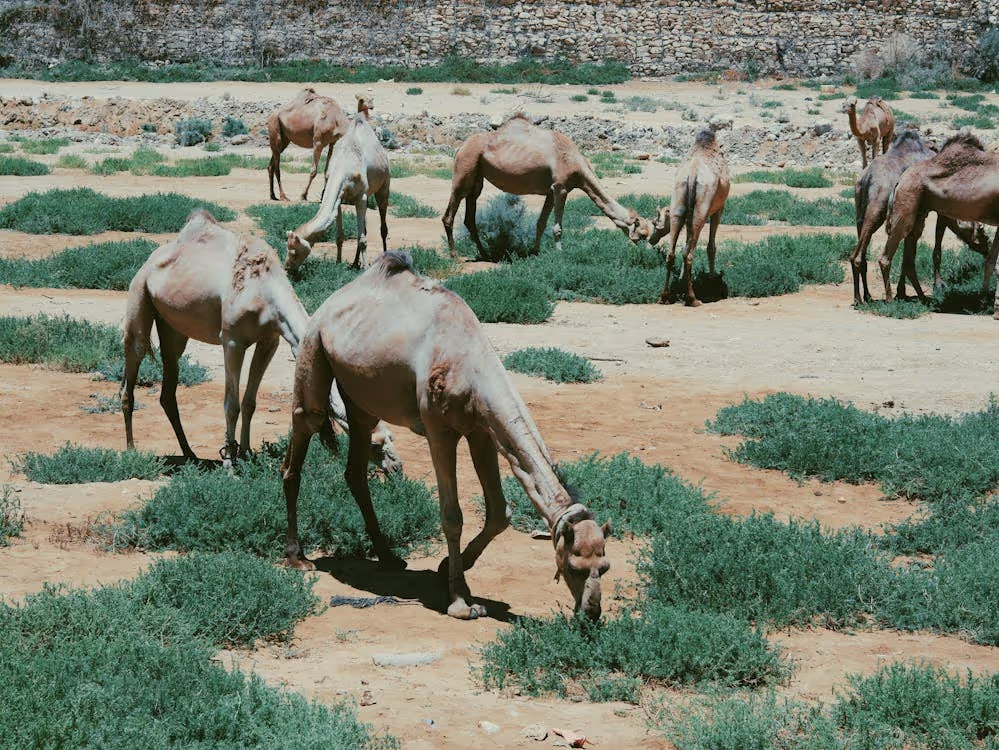
camels grazing on patches of grass in the desert
Photo by Ann Perkas from Pexels

Potential Wildlife Responses to Aircraft

Low-level flights can cause:

  • Stress Reactions: The sudden presence of helicopters can trigger excessive alertness, arousal, or stress responses that could compromise animal health and impact their fitness and survival skills.

  • Behavioral Changes: Repeated disruptions may cause species to flee, alter migration routes, or change their daily activity patterns.

  • Habitat Avoidance: Animals may abandon their habitats or avoid critical feeding and watering areas when aircraft are present.

  • Interrupted Breeding or Nesting: Interruptions during vulnerable periods could have detrimental effects on reproductive success.

  • Parent-Offspring Separation: Adult wildlife startled by rotorcraft may temporarily separate from their young, leaving them unattended. 

Because desert ecosystems are so delicate, helicopter operators and research teams must carefully manage flight activity to avoid threatening biodiversity.

Best Practices for Lower-Impact Desert Flight Operations

Any helicopter operator you work with should follow established protocols that keep their operational footprint as small as possible. They should prioritize their environmental responsibility through optimized flight planning, quieter operating techniques, coordination with scientific teams, frequent strategy adaptation, and ongoing training.

Best practices for limiting wildlife responses include:

Strategic Flight Planning

  • Established Corridors: Using consistent, predictable travel paths diminishes wildlife stress compared to random, unexpected flights.

  • Minimal Hovering: Avoiding hovering over key habitats and focusing on continuous, smooth transit at consistent altitudes limits visual presence and noise exposure.

  • Avoidance of Sensitive Biological Periods: Planning flights that do not occur during critical biological periods—like fawning seasons or incubation periods—prevents disruptions that could affect reproductive success.

  • Strategic Timing: Flights should be scheduled during cooler hours when animals are less vulnerable to heat-related strain.

Altitude and Distance Management

  • Defined Buffers: Flight crews should maintain safe distances from nesting sites, watering holes, and seasonal habitats.

  • High Operating Altitudes: Flying at higher altitudes helps reduce noise intensity and visual disturbances.

  • Limited Low-Level Operations: Close-range flight should be kept to only essential work, lasting only as long as needed to capture required data. 

Noise Reduction

  • Smooth Flight Profiles: Gradual climbs and descents using steady power and speed settings help control noise spikes and make aircraft movements less likely to startle wildlife.

  • Consolidated Missions: Combining multiple research missions into concentrated operational hours allows for extended quiet periods when animals can resume normal activities.

  • Capped Flight Volume: Decreasing the number and duration of flights in sensitive zones helps prevent cumulative stress.

  • Aircraft Selection: Smaller helicopters and those with improved aerodynamics, electric or hybrid propulsion systems, and optimized rotor designs—like lower-noise rotor blades or enclosed tail rotors—decrease sound output.

  • Noise Dampening Technology: Helicopters that use sound dampening composite materials for insulation reduce the transmission of sound.

Discover how a combination of technological advancements, legislative mandates, and industry solutions makes helicopter operations quieter without sacrificing performance. 

Coordination and Adaptive Management

  • Local Collaboration: Operators should work with land managers, research teams, conservation agencies, and indigenous groups to establish no-fly areas and seasonal guidelines based on animal responses.
  • Real-Time Monitoring: Pilots must be capable of adjusting altitudes, routes, or timing when they encounter unexpected people or animals, or if wildlife show signs of distress.
  • Ongoing Training: Aerial teams should receive ongoing training that covers habitat awareness and best practices for wildlife-sensitive operations.
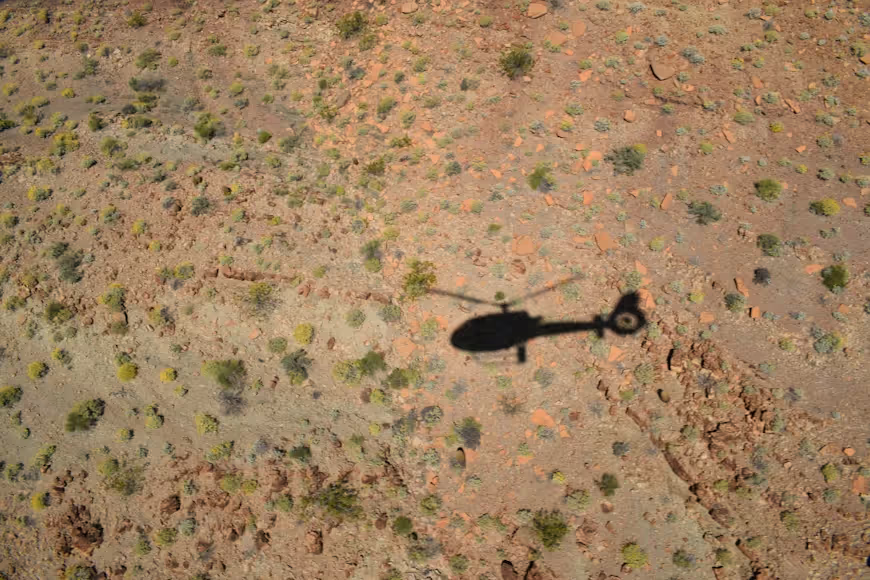
helicopter shadow projected onto desert ground during daytime
Photo by Lyle Hastie from Unsplash

How Helicopter Express Supports Desert Ecosystem Studies

Scientific research in fragile areas requires more than just the right team, aircraft, and tools. It demands respect for desert biology and the plants, animals, and microorganisms that live in these regions.

Helicopter Express combines modern noise dampening technology with carefully designed flight paths to assist scientific missions and minimize ecological effects. Our experienced crews work closely with research coordinators, land managers, and environmental agencies to:

  • Plan efficient routes
  • Maintain a safe distance from wildlife
  • Reduce unnecessary flight over critical habitats
  • Limit aircraft noise

Partner With the Experts at Helicopter Express

Our collaborative planning efforts help researchers and scientists gather accurate data while diminishing stress on animals and landscapes. Whether you need aerial expertise for habitat mapping, wildlife monitoring, equipment transport, or remote site access, our experienced pilots and crew are on standby to help carry out your mission. 

Contact Helicopter Express today to discuss your operational requirements. Learn how we can provide safe and environmentally responsible helicopter support for your research project.

Desert Ecosystem Studies: Helicopter Access to Fragile Environments

Deserts may appear lifeless at first glance, but scientists know they are some of the world’s most environmentally complex regions. Occupying one-fifth of Earth’s land surface, these dry landscapes are home to plants, animals, and other organisms that have adapted to life with little precipitation. But scarce water, extreme temperatures, and delicate soil systems mean even small disturbances can cause long-lasting effects.

Aerial operations enable access to vast deserts without damaging habitats. Whether called upon for wildlife surveys, climate research, or conservation planning, helicopters make it possible to safely gather data from arid regions with limited disruption to the species that live there. 

In this blog, you’ll learn how helicopters assist desert ecosystem studies, the environmental considerations involved, and the flight protocols that help protect sensitive habitats. 

What Are Desert Ecosystem Studies?

Desert ecosystem studies examine how living organisms and physical environments interact in arid regions. These areas receive no more than 10 inches of precipitation a year, and yet they support 17% of the human population and contain biodiversity that doesn’t exist elsewhere on the planet. 

Researchers conduct field experiments, modeling, and data analysis of these environmentally critical biomes to better understand:

  • Climate patterns
  • Species survival mechanisms
  • Strategies for sustainable land management
overhead view of wild animals and trees in the desert
Photo by Enguerrand Photography from Unsplash

Key Areas of Desert Ecosystem Studies

  • Abiotic Factors: Analysis of water scarcity, wind patterns, soil composition, and temperature fluctuations that can exceed 75°F in a single day

  • Biotic Factors: Plant, animal, and microorganism research that helps scientists understand specialized survival mechanisms, such as heat tolerance and water conservation methods

  • Biodiversity Monitoring: Tracking of species distribution and habitat health to detect signs of degradation and enable the recovery of threatened plants and animals

  • Climate Studies: Assessment of how urban expansion, agriculture, and energy development impact fragile arid environments

  • Resource Management: Development of strategies for groundwater protection, habitat restoration, and sustainable land use 

Because deserts are both remote and vast, scientists have come to depend on helicopter support as a valuable research tool.

The Role of Helicopters in Desert Ecosystem Research

Helicopters offer many unique operational capabilities that ground vehicles and fixed-wing aircraft cannot match, including their ability to:

  • Deploy quickly
  • Carry thousands of pounds of research tools and equipment
  • Maneuver through tight spaces and over rough terrain with precision 
  • Hover when necessary
  • Land in confined areas without roads or runways

These characteristics allow research teams to quickly access remote areas of study while minimizing ground disturbances. 

green, yellow, and white medical helicopter resting on desert sand in Qatar
Photo by Waseem Lazkani from Pexels

Common Research Applications

Here’s how helicopters assist scientific research:

  • Ecosystem Health Monitoring: Aerial imaging allows researchers to map habitats and rapidly evaluate characteristics like water sources, vegetation density, grazing impacts, dune movement, erosion patterns, and habitat fragmentation across vast landscapes.

  • Conservation and Species Protection: Biologists and conservationists can conduct aerial counts of species, assist with animal tracking and relocation efforts, and monitor vital habitats for wildlife conservation efforts.

  • Invasive Species Management: Helicopters support aerial surveys and targeted treatment programs for the management of invasive species and pest outbreaks.

  • Instrumented Research Flights: Helicopters can carry advanced instruments such as LiDAR systems, hyperspectral sensors, thermal imaging cameras, and other tools that measure atmospheric conditions and shifts in response to climate variability or land use.

  • Seasonal Event Studies: Rotorcraft enable efficient studies of seasonal events—like dust storms—that can affect air quality, hurricane formation, ocean ecosystems, and the global climate.

  • Identification and Evaluation of Human Hazards: Human hazards like sinkholes, “red tide” events, and natural disasters can be quickly identified and evaluated through aerial assessments.

  • Rapid Damage Assessments: After extreme storms, wildfires, or large-scale pollution events occur in desert areas, aerial teams can quickly evaluate damage when ground access is limited or slow.

Learn more about the multifaceted role of helicopters in scientific research, from conservation and marine science to geology and meteorology.

Assessing the Environmental Impact of Desert Aircraft Operations

While helicopters are essential tools for the conservation and management of both desert landscapes and species, wild animals have been shown to react to low-altitude aircraft flights

Animal responses vary depending on factors such as:

  • Species
  • Habitat type
  • Previous aircraft exposure
  • Flight activities

However, scientists, wildlife managers, and conservationists have all expressed concern about the consequences of aircraft noise on local animal populations. 

camels grazing on patches of grass in the desert
Photo by Ann Perkas from Pexels

Potential Wildlife Responses to Aircraft

Low-level flights can cause:

  • Stress Reactions: The sudden presence of helicopters can trigger excessive alertness, arousal, or stress responses that could compromise animal health and impact their fitness and survival skills.

  • Behavioral Changes: Repeated disruptions may cause species to flee, alter migration routes, or change their daily activity patterns.

  • Habitat Avoidance: Animals may abandon their habitats or avoid critical feeding and watering areas when aircraft are present.

  • Interrupted Breeding or Nesting: Interruptions during vulnerable periods could have detrimental effects on reproductive success.

  • Parent-Offspring Separation: Adult wildlife startled by rotorcraft may temporarily separate from their young, leaving them unattended. 

Because desert ecosystems are so delicate, helicopter operators and research teams must carefully manage flight activity to avoid threatening biodiversity.

Best Practices for Lower-Impact Desert Flight Operations

Any helicopter operator you work with should follow established protocols that keep their operational footprint as small as possible. They should prioritize their environmental responsibility through optimized flight planning, quieter operating techniques, coordination with scientific teams, frequent strategy adaptation, and ongoing training.

Best practices for limiting wildlife responses include:

Strategic Flight Planning

  • Established Corridors: Using consistent, predictable travel paths diminishes wildlife stress compared to random, unexpected flights.

  • Minimal Hovering: Avoiding hovering over key habitats and focusing on continuous, smooth transit at consistent altitudes limits visual presence and noise exposure.

  • Avoidance of Sensitive Biological Periods: Planning flights that do not occur during critical biological periods—like fawning seasons or incubation periods—prevents disruptions that could affect reproductive success.

  • Strategic Timing: Flights should be scheduled during cooler hours when animals are less vulnerable to heat-related strain.

Altitude and Distance Management

  • Defined Buffers: Flight crews should maintain safe distances from nesting sites, watering holes, and seasonal habitats.

  • High Operating Altitudes: Flying at higher altitudes helps reduce noise intensity and visual disturbances.

  • Limited Low-Level Operations: Close-range flight should be kept to only essential work, lasting only as long as needed to capture required data. 

Noise Reduction

  • Smooth Flight Profiles: Gradual climbs and descents using steady power and speed settings help control noise spikes and make aircraft movements less likely to startle wildlife.

  • Consolidated Missions: Combining multiple research missions into concentrated operational hours allows for extended quiet periods when animals can resume normal activities.

  • Capped Flight Volume: Decreasing the number and duration of flights in sensitive zones helps prevent cumulative stress.

  • Aircraft Selection: Smaller helicopters and those with improved aerodynamics, electric or hybrid propulsion systems, and optimized rotor designs—like lower-noise rotor blades or enclosed tail rotors—decrease sound output.

  • Noise Dampening Technology: Helicopters that use sound dampening composite materials for insulation reduce the transmission of sound.

Discover how a combination of technological advancements, legislative mandates, and industry solutions makes helicopter operations quieter without sacrificing performance. 

Coordination and Adaptive Management

  • Local Collaboration: Operators should work with land managers, research teams, conservation agencies, and indigenous groups to establish no-fly areas and seasonal guidelines based on animal responses.
  • Real-Time Monitoring: Pilots must be capable of adjusting altitudes, routes, or timing when they encounter unexpected people or animals, or if wildlife show signs of distress.
  • Ongoing Training: Aerial teams should receive ongoing training that covers habitat awareness and best practices for wildlife-sensitive operations.
helicopter shadow projected onto desert ground during daytime
Photo by Lyle Hastie from Unsplash

How Helicopter Express Supports Desert Ecosystem Studies

Scientific research in fragile areas requires more than just the right team, aircraft, and tools. It demands respect for desert biology and the plants, animals, and microorganisms that live in these regions.

Helicopter Express combines modern noise dampening technology with carefully designed flight paths to assist scientific missions and minimize ecological effects. Our experienced crews work closely with research coordinators, land managers, and environmental agencies to:

  • Plan efficient routes
  • Maintain a safe distance from wildlife
  • Reduce unnecessary flight over critical habitats
  • Limit aircraft noise

Partner With the Experts at Helicopter Express

Our collaborative planning efforts help researchers and scientists gather accurate data while diminishing stress on animals and landscapes. Whether you need aerial expertise for habitat mapping, wildlife monitoring, equipment transport, or remote site access, our experienced pilots and crew are on standby to help carry out your mission. 

Contact Helicopter Express today to discuss your operational requirements. Learn how we can provide safe and environmentally responsible helicopter support for your research project.

Make us your go-to team.

Our highly skilled pilots have the experience and equipment needed to rise to any challenge. When you need experts you can trust, give us a call.