
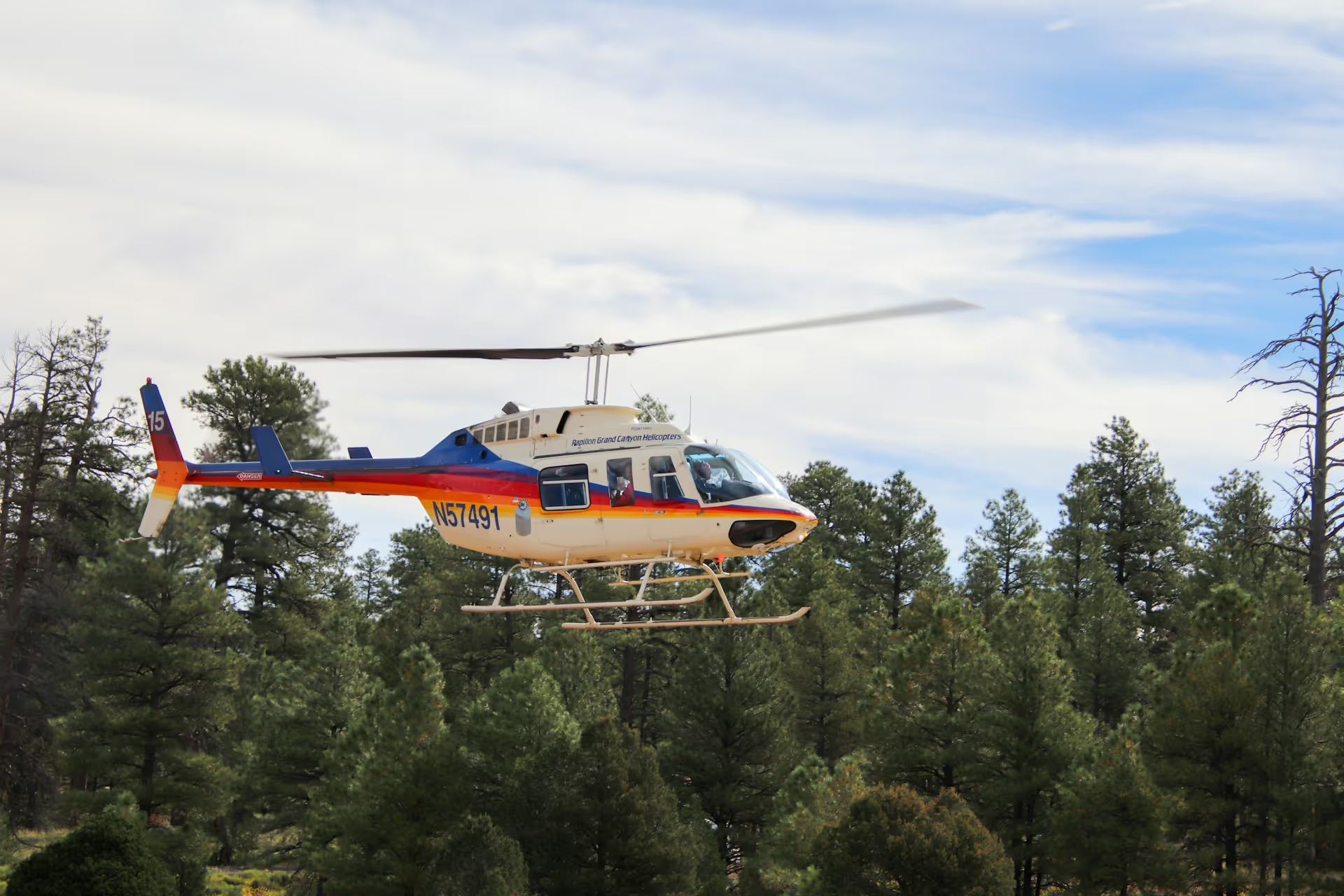
Invasive species spread fast, cross boundaries with reckless abandon, and disrupt important ecosystems—sometimes permanently. Many of these plants, animals, and organisms are impossible to spot from the ground, hidden deep within rugged topography or under dense vegetation. For the professionals who care for our environment, identifying invasive species early can be just as challenging as managing their spread.
Below, we’ll cover the ins and outs of invasive species management, including how these plants and animals spread, why early detection matters, and the primary control methods used today. You’ll also learn how helicopters support aerial detection and treatment programs and the many benefits rotorcraft provide.
What Are Invasive Species?
Invasive species are non-native plants, animals, or other living organisms that meet two key criteria:
- They live in ecosystems where they do not naturally exist
- Their presence harms (or is likely to harm) the economy, the environment, or human health
Most Common Invasive Species
Some of the invasive plants most frequently found across North America include:
- Kudzu: Known as “the vine that ate the South," Kudzu smothers trees and other structures
- Garlic Mustard: Outcompetes native wildflowers and alters soil chemistry
- Japanese Honeysuckle: Forms dense thickets that smother other plants in shade
Common invasive insects and animals that threaten North America are:
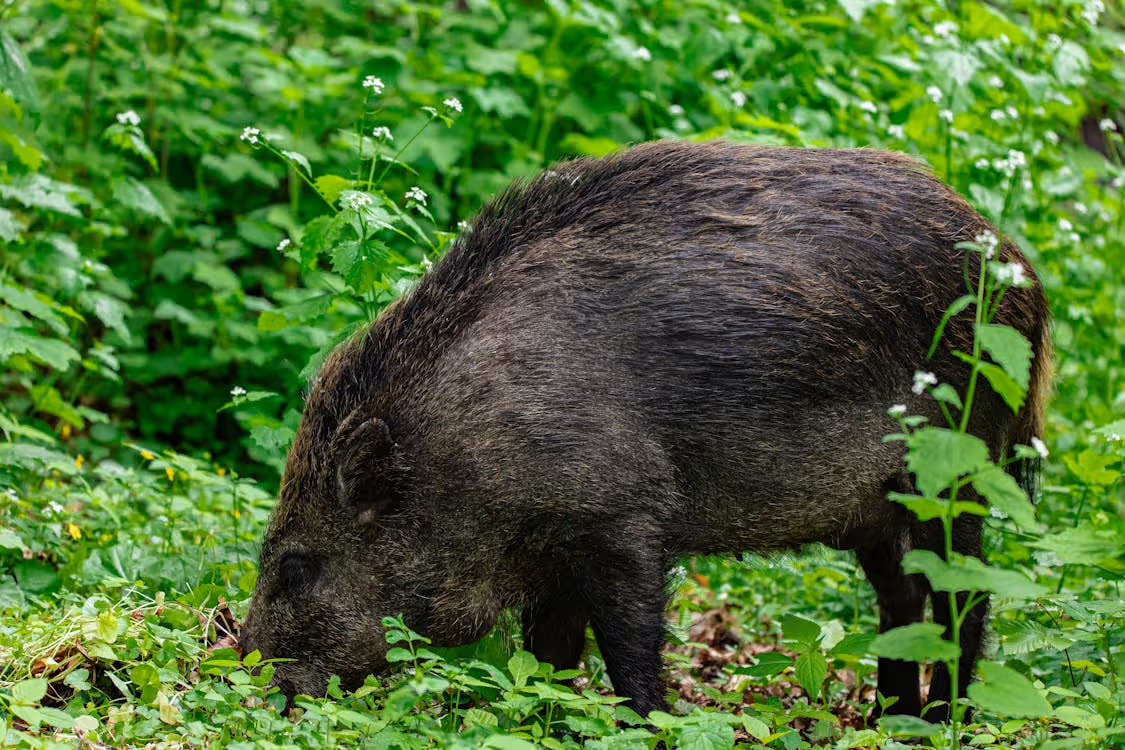
- Feral Swine: Carry diseases and destroy vegetation
- Zebra Mussels: Disrupt aquatic food webs by excessively filtering food
- European Starling: This aggressive bird displaces native birds
The Impact of Invasive Species Left Unchecked
Invasive species pose a serious risk to ecosystems across the globe. Because they spread rapidly and often cause wide-scale destruction, it’s crucial to detect and manage infestations early.
How Do Invasive Species Spread?
They are most frequently spread by human activity—often through global travel or by humans releasing unwanted pets. Ornamental plants can also escape the wild, causing them to become invasive.
How Invasive Species Affect the Environment
When left unchecked, these species can:
- Destroy biodiversity
- Cause the extinction of native species
- Permanently alter important habitats and ecosystems
The Solution: Invasive Species Management
Invasive species management involves identifying, controlling, and reducing non-native plants, animals, and organisms that threaten ecosystems, agriculture, and infrastructure. Early detection and targeted treatments are crucial for slowing spread, mitigating damage, and restoring natural biodiversity to affected areas.
There are five key methods of controlling and managing invasive species:
- Biological Control: This is the use of natural predators like insects, imported fish, and organisms to suppress invasive species and minimize harm to native plants and animals. Extensive research and testing are necessary to ensure prey only targets the intended species.
- Chemical Control: This is the use of chemicals including herbicides, pesticides, fungicides, and insecticides to quickly reduce invasive species across large or heavily infested areas. This method is effective, but precise application is necessary to limit its environmental impact.
- Cultural Control: Cultural measures aim to change human behavior to reduce the spread of invasive species. Techniques include mulching, thermal weed control, prescribed burning, prescribed grazing, and public education efforts.
- Mechanical Control: Mechanical methods rely on tools and machinery to collect invasive plants, transport them elsewhere, and allow them to decompose. These approaches are often used in combination with chemical control to boost efficiency.
- Manual Control: Physical or manual control involves the destruction of invasive plants by hand through methods like hand-pulling, digging, dredging, mulching, shading, and flooding. While highly targeted, this technique is both labor-intensive and costly, making it best for small infestations and sensitive environments.
The Role of Aerial Detection in Invasive Species Management
Helicopters play a central role in locating invasive plants and animals before infestations become widespread. Here’s how aerial teams help detect infestations and devise management plans.
- Spot Early Infestations: Helicopters are capable of flying low and hovering, enabling observers to detect small outbreaks or even individual invasive plants. These initial outbreaks are often hidden by topography or vegetation, making them nearly impossible to detect from the ground.
- Prioritize Treatment and Track Spread: Helicopter-based aerial surveys are vital for identifying and mapping invasive plants and animals over large landscapes. These maps help government agencies, researchers, and nonprofit organizations prioritize treatment areas, halt the spread of invasive species, and track results over time.
How Helicopters Help Combat Invasive Species With Quick, Efficient Treatment Programs
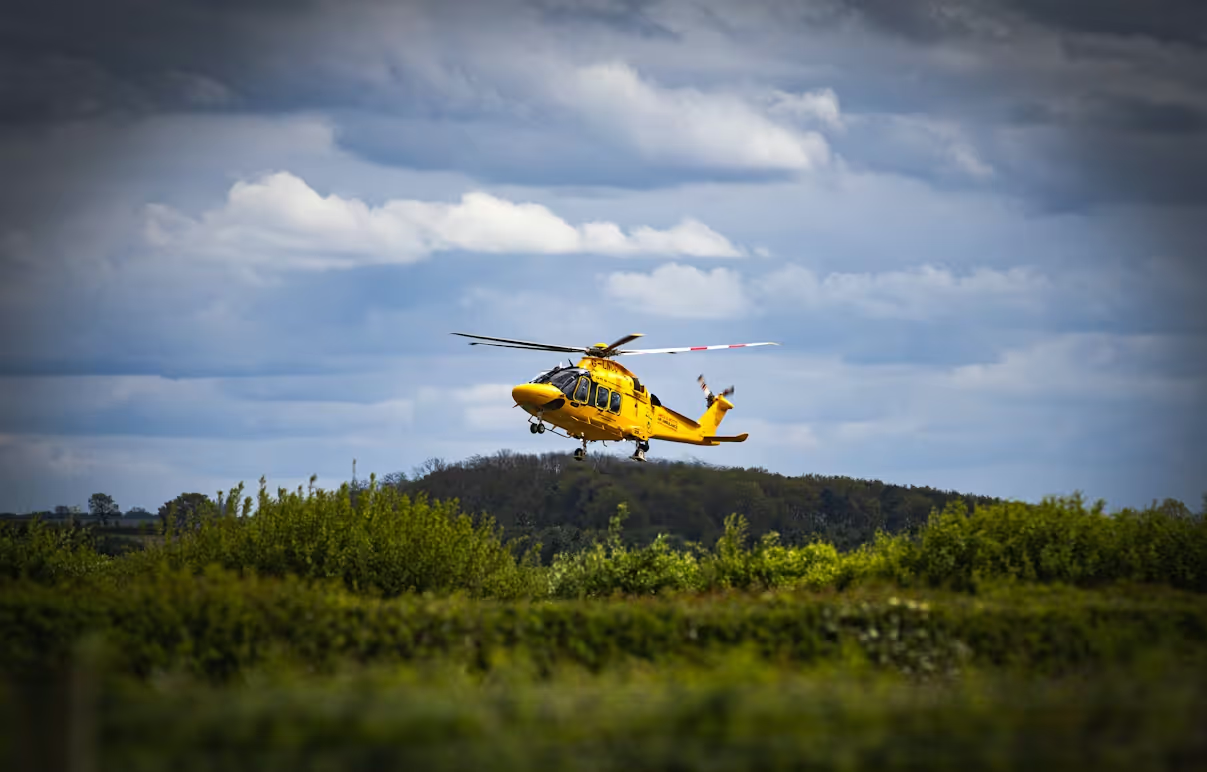
Once these harmful species are identified, timely treatment is critical for preventing further spread and ecological damage. Helicopters offer both chemical treatments and support for ground-based crews across challenging landscapes.
Aerial Chemical Treatments
Helicopters use spray booms and buckets to apply herbicides and other chemical treatments across large areas like forests, rangelands, and wetlands. Aerial treatment allows invasive species management teams to reach areas where ground-based access would be slow or impractical, speeding up treatment and reducing labor costs.
More targeted treatments, like Herbicide Ballistic Technology, enable precision treatment of individual invasive plants. This is a method by which helicopters fire gelatin capsules with herbicide at specific trees or shrubs, minimizing impacts on native plants.
Support for Ground Operations
Rotorcraft also play a vital support role for ground-based management. They can quickly transport crews, supplies, and equipment to remote sites, enabling focused field efforts against invasive plants and animals. They can also carry sling-load tools, herbicide, fencing, and other materials to locations without road access, which is essential for long-term habitat management after initial treatment.
Importance of Post-Treatment Aerial Monitoring and Evaluation
After applying treatments, helicopters continue to support invasive species management through continued monitoring and evaluation. Aerial surveys allow environmental professionals to:
- Evaluate the effectiveness of treatments
- Reassess infestation extent
- Detect regrowth
- Adjust management strategies
Aviation support also aids broader conservation work, like wildlife surveys, national park management, and habitat assessments that support overall ecosystem health.
The Benefits of Aerial Detection and Treatment for Invasive Species
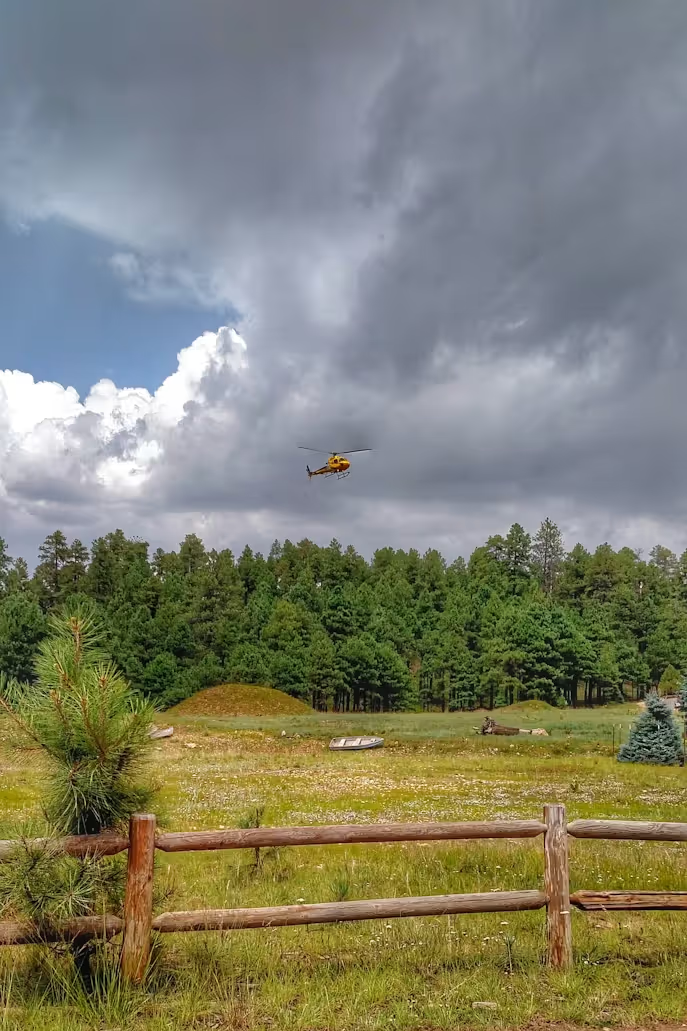
Aerial detection and treatment allows land managers, government agencies, researchers, and nonprofits to identify infestations early and respond quickly. Because invasive species are often spread across large areas, helicopters are the ideal tools for the job. They are capable of flying slower and following rough terrain far better than airplanes—especially in hard-to-reach locations. They also have a much higher payload and further reach than drones.
Here’s a quick overview of the operational, environmental, and safety advantages of these aerial programs.
Operational Advantages
- Vertical Takeoff and Landing: This capability means helicopters can operate from small staging areas, reducing transit time and downtime.
- Superior Access to Complex Terrain: Rotorcraft can safely reach areas with steep slopes, dense vegetation, and lack of roads.
- Accurate Application: Slow flight speeds, hover capability, and rotor wash allow pilots to place treatments accurately while avoiding native plants and animals.
- Efficient Coverage of Large Areas: Helicopters can treat expansive terrain quickly, which is critical when weather limits treatment opportunities or infestations are spreading rapidly.
- Cost Effectiveness: Helicopters are often the most cost-effective application method in rugged areas where selective treatment of isolated plants would be expensive on foot.
Environmental Benefits
- Minimal Ecological Disturbance: Because they fly overhead, helicopters avoid the soil compaction and rutting associated with tractors and other ground-based equipment.
- Reduced Chemical Usage: Precise targeting can decrease overall chemical use and limit runoff.
Enhanced Workforce Safety
- Limited Chemical Exposure: Aerial application limits direct contact with herbicides and reduces the need for teams to operate within dense infestations.
- Lower Risk in Dangerous Terrain: Helicopters minimize work on steep slopes and unstable ground where accidents and injuries are more likely.
How Helicopter Express Supports Effective Invasive Species Management
Successful management of invasive plants and animals requires thoughtful planning, expertise, and precision. At Helicopter Express, we partner with national parks, government agencies, land managers, and other environmental professionals to support invasive species management through aerial detection and treatment.
We bring over three decades of real-world helicopter operations to environmental work, with skilled pilots trained to operate at slow speeds and in challenging environments. Your project manager will help you select the most appropriate helicopter and equipment for your operation based on your environmental goals, project scope, timeline, and budget.
Ready to request a quote? You can count on our experienced crew, well-maintained fleet, and rigorous safety protocols to support your mission. We’ll leave no stone unturned when it comes to safeguarding your team and the environment.