
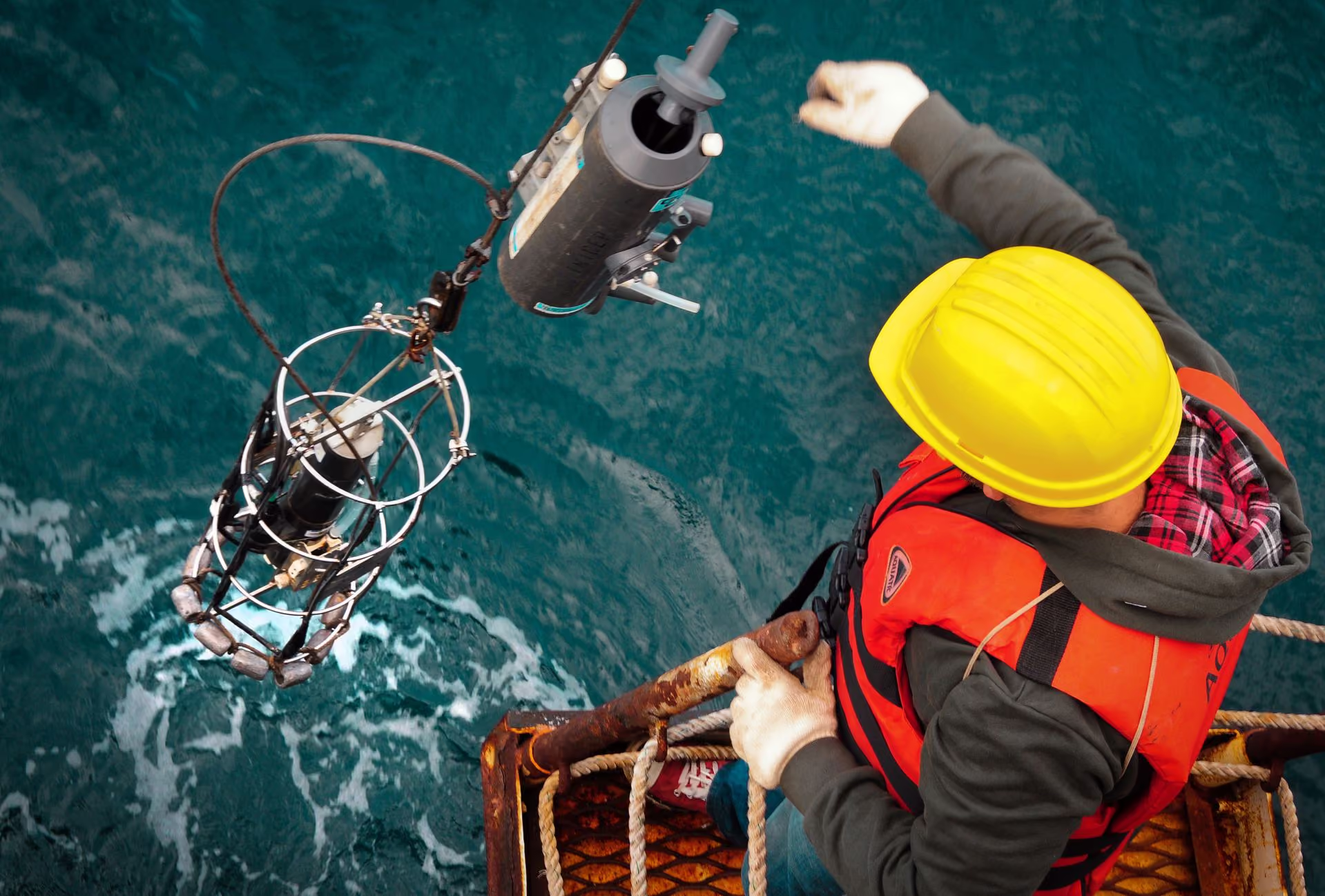
Coral reefs cover less than 1% of the ocean floor, but these vibrant ecosystems support at least a quarter of all marine life. An estimated one billion people around the world also depend on reef systems for food, income, and storm protection.
Despite their importance to our oceans and coastal communities, coral reefs face increasing threats like rising ocean temperatures, severe storms, overfishing, and pollution. The people working to protect these natural formations face significant logistical challenges, like how to access remote reefs and transport equipment with narrow weather windows and limited budgets.
In this blog, we explore why coral reefs are so valuable, the obstacles marine scientists encounter when monitoring reef health, and how helicopters are making marine conservation faster, safer, and more effective.
What Are Coral Reefs?
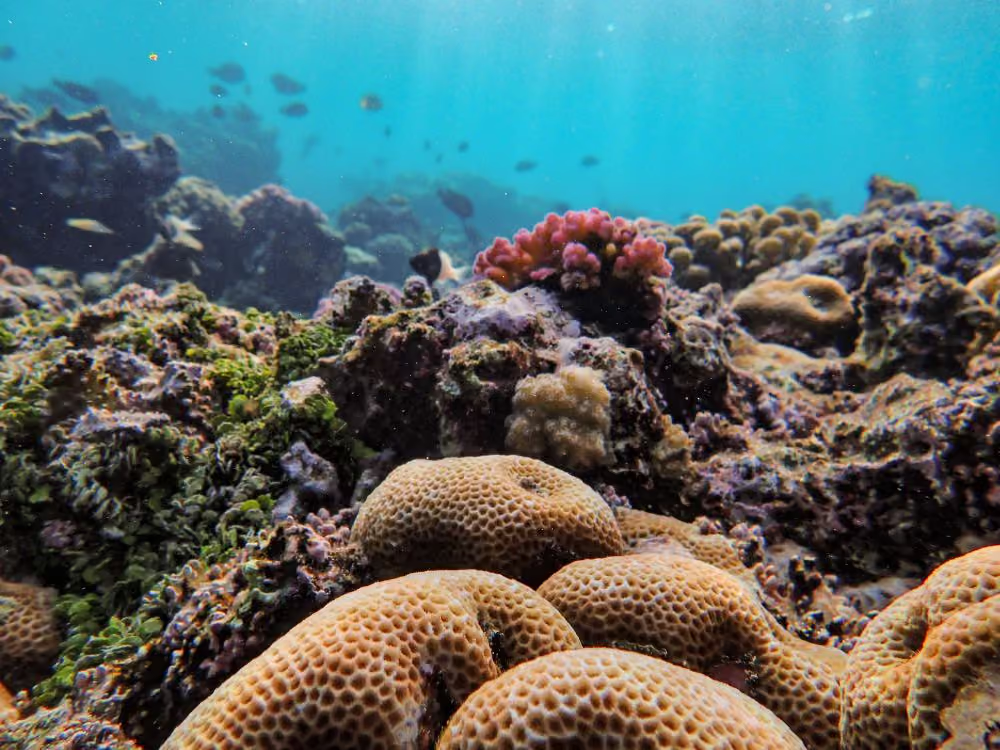
Coral reefs are colorful underwater ecosystems that grow in warm tropical waters. Built by tiny organisms called polyps over hundreds or even thousands of years, these stonelike structures serve as the foundation for some of the most complex and biodiverse habitats on Earth.
Coral reefs provide shelter, food, and breeding grounds for countless species, from sea turtles and fish to invertebrates and crustaceans. They also help protect coastlines and sustain communities around the world through food and employment. When coral reefs are healthy, entire marine food webs flourish.
Why Are Coral Reefs So Important?
Here are a few key reasons why coral reefs matter so much:
- Biodiversity: Despite covering only 1% of our oceans, coral reefs shelter 25% or more of all marine species. Over 4,000 species of corals, fish, and other marine animals depend on reefs for survival.
- Vital Food Source: Approximately one billion people across the world benefit from coral reefs. They support more than half of all commercial and recreational fisheries in the United States, and the annual value of U.S. fisheries dependent on reefs is estimated at $100 million each.
- Economic Value: Through fisheries, tourism, and coastal protection initiatives, coral reefs generate tourism and jobs. They generate over $3.4 billion of economic value each year in the U.S. and approximately $36 billion in annual income worldwide.
- Medical Breakthroughs: Compounds found within coral reef organisms like corals and sponges show potential for treating bacterial infections, viruses, arthritis, and even cancer. Scientists depend on these compounds to help them develop new drugs that could lead to safer treatments and therapies.
- Shoreline Protection: Coral reefs also act as natural barriers against waves and flooding on shorelines during major storm events like typhoons and hurricanes. They’re proven to be 97% effective in preventing environmental damage, including property destruction and loss of life.
- Beach Development: Broken-down coral skeletons and reef organisms naturally produce sand that replenishes beaches and forms the coastal environments humans depend on for jobs, food, and recreation.
- Water Filtration: Coral reefs provide shelter for important filter feeders that are crucial for filtering toxins and contaminants out of our oceans.
- Oxygen Creation: Finally, healthy reef ecosystems support algae and other photosynthetic organisms that produce oxygen essential to marine life.
Learn how helicopters are transforming beach restoration efforts by improving environmental impact assessments, sand replenishment strategies, and dune rebuilding projects.
Why Coral Reef Monitoring Matters
Unfortunately, coral reefs are vulnerable to threats like climate change, unsustainable fishing, and pollution. That’s why coral reef monitoring is critical. This proactive approach involves assessing and tracking changes to reef health over time. Through deep dives or the use of technology from above, marine scientists can detect issues like water quality changes, disease outbreaks, and invasive species before these threats become catastrophic.
When warning signs appear, survey data helps researchers understand what’s happening and why.
Early identification of issues enables:
- Shorter response times
- More comprehensive protective measures
- Prevention of further damage
As reefs face growing pressure from climate change and human activity, reliable coral reef assessments have become increasingly necessary for preserving these ecosystems for future generations.
Challenges Researchers Face During Reef Monitoring Missions
Studying coral reefs often requires research crews to conduct surveys in difficult-to-access environments. Whether needing to transport specialized equipment or navigate challenging maritime conditions, scientists face many logistical hurdles that limit the amount and quality of data they collect.
Key challenges include:
- Isolated Offshore Locations: Many vital—yet vulnerable—coral reefs are located far from established ports or roads, along rugged coastlines, or in protected marine areas. This can make these environments difficult and time-consuming to reach by boat alone.
- Transportation of Sensitive Equipment: Coral reef monitoring requires specialized scientific instruments such as water sampling tools, GPS, and scientific cameras. Necessary gear must be delivered safely without operational delays.
- Limited Time in the Field: Short seasons, narrow weather windows, and limited funding provide only brief opportunities for researchers to complete their work before heading back to shore. This makes quick, efficient trips absolutely essential.
These obstacles often mean reef monitoring is slower and more expensive than many research programs can sustain. Helicopters help marine biologists and conservationists overcome these challenges by providing more efficient deployment to distant reef evaluation sites.
How Helicopters Support Coral Reef Monitoring and Enable Marine Conservation
By hiring an experienced helicopter operator, marine biologists can assess and track coral reef health more effectively, identify areas of stress more quickly, and prioritize resources and restoration efforts. Below, we cover four ways helicopter teams aid coral reef monitoring efforts and ocean conservation projects.
Transportation to Remote Reef Sites
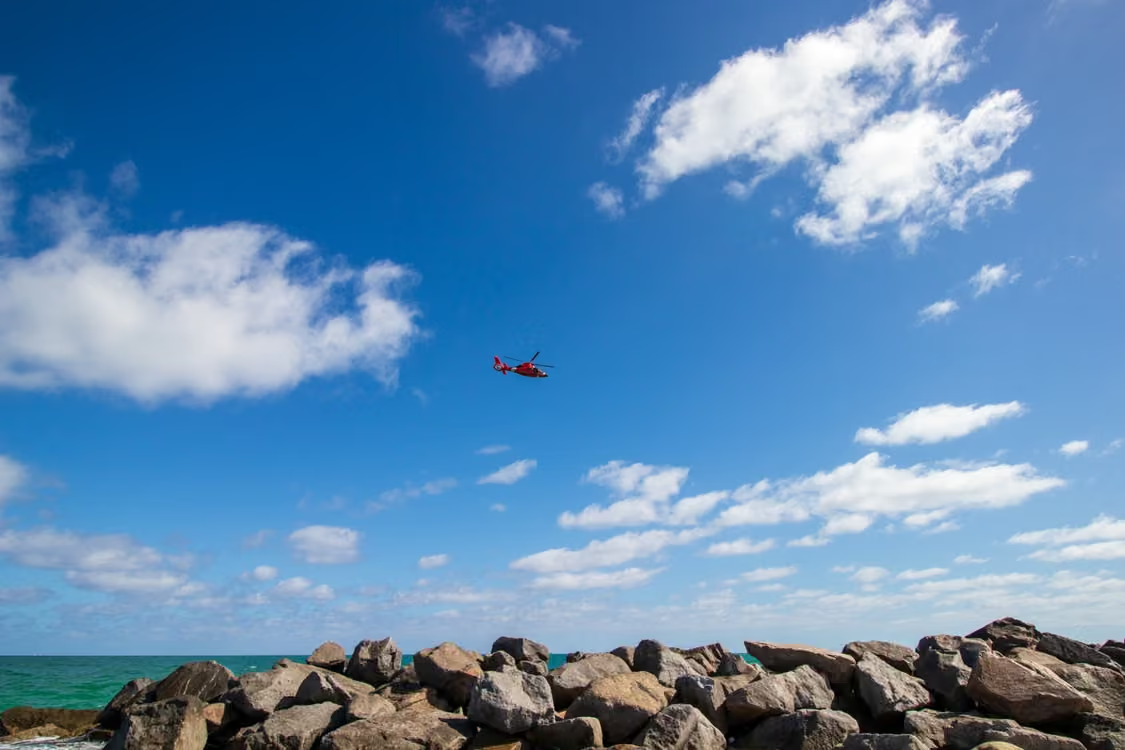
Helicopters are capable of carrying hundreds or even thousands of pounds of people and cargo. They can directly transport marine biologists, dive teams, and conservationists to reef systems that are difficult to access in inclement weather or time-consuming to reach by boat. Rapid deployment allows researchers to spend more time collecting data and complete more reef surveys in a single day.
Water Sampling Operations
Water quality plays a major role in coral reef health.
Many factors contribute to whether reefs flourish or die, including:
- Water temperature
- Salinity
- Nutrient levels
- Sediment
- Harmful algal blooms
- Microplastics
- Pollution
Helicopters enable water sampling missions by delivering sampling crews and cargo to various sites, positioning crews near multiple locations, and hovering as needed for more efficient collections across large geographic areas.
Scientific Equipment Deployment
Many reef monitoring projects rely on instruments and tools that must be installed in isolated or difficult-to-reach locations.
Helicopters can transport and position gear such as:
- Monitoring buoys
- GPS markers
- Weather instruments
- Ocean sensors
- Light detection and ranging technology (LiDAR)
- Thermal imaging
- Scientific camera systems
- Materials and supplies for temporary research stations
Rotorcraft reduce the need for lengthy boat trips and allow for easier deployment of equipment in challenging maritime environments.
Aerial Reef Assessments
Helicopters also offer a platform for collecting aerial data across large reef systems. Using advanced technology from a bird’s-eye view, research teams can quickly identify changes that would be difficult to detect from the water.
Helicopter-based aerial reef surveys help scientists:
- Map reef boundaries
- Identify coral bleaching events
- Document storm damage
- Measure sediment runoff
- Track coastal changes and erosion over time
Learn more about how helicopters support ocean research beyond reef monitoring. You can also explore the role of helicopters in other scientific fields, including wildlife conservation, geology, and meteorology.

Helicopter Express Is Your Partner in Reef Conservation
Coral reefs protect coastlines, feed communities, and fuel economies. But protecting these structures starts with understanding what’s happening to them and why. When conservationists, government agencies, and other scientific organizations need dependable helicopter operations for reef monitoring and marine conservation, they turn to Helicopter Express for efficient delivery and placement of personnel and gear.
We offer:
- Fast, safe, and reliable transport to remote coastal and offshore reef sites
- Heavy-lift capabilities for survey technology and temporary research stations
- A platform for water sampling and equipment deployment missions
- Aerial assessments equipped for high-resolution imaging and LiDAR
- Experienced pilots and crews who understand the unique demands of ocean research
Whether you’re conducting a coral reef monitoring mission or a broader marine conservation initiative, our team will help ensure every second you spend in the field provides value. Contact us to learn how our skilled pilots and versatile fleet can support your next research project.