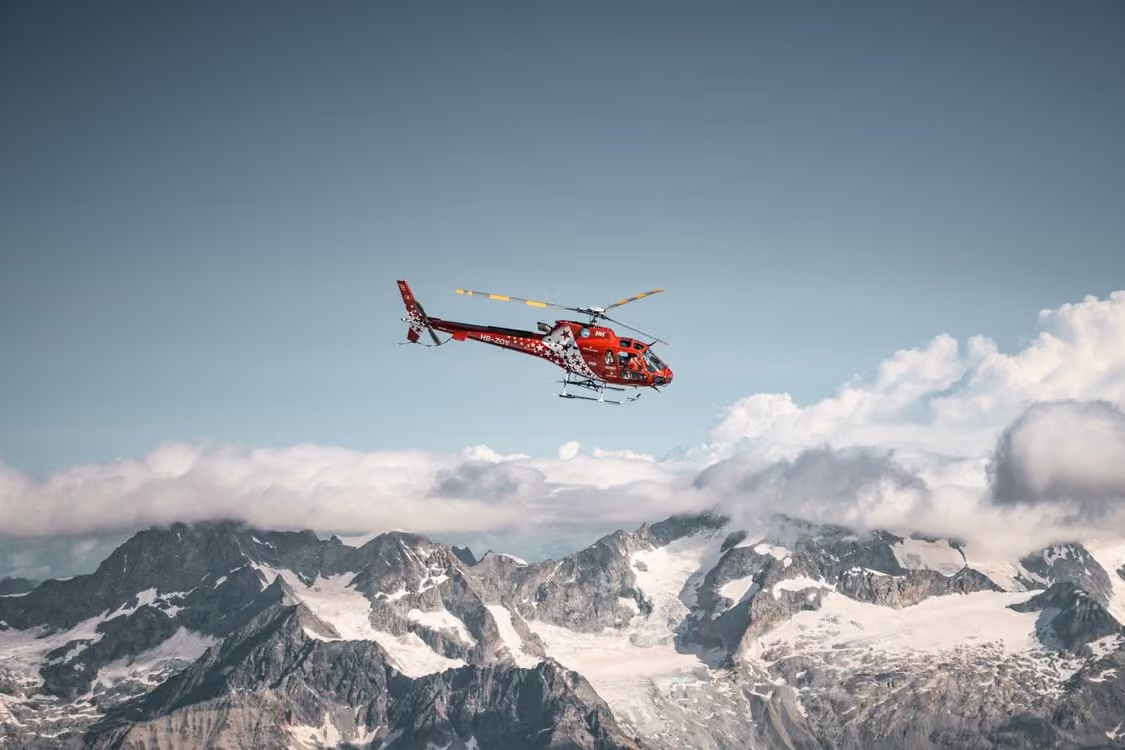
Avalanche Control and Assessment: Helicopter Services in Snow Safety

Learn how helicopters support avalanche control and assessment through aerial reconnaissance, explosive deployment, personnel and cargo delivery, and rescue operations.

The threats that avalanches pose have declined as forecasting technology has advanced and avalanche education has expanded. But avalanches are still a significant hazard for outdoorsmen who participate in mountain recreation activities, such as mountain climbing or skiing. Worldwide, avalanches kill over 150 people each year. About 27 avalanche-related deaths occur each winter season in the U.S. alone.

While steep terrain in remote landscapes presents many challenges, helicopters are capable of performing aerial assessments of snowpacks, triggering controlled avalanches, delivering essential personnel and supplies, and evacuating survivors for rapid medical treatment. Keep reading to learn why avalanches occur and how helicopters enhance snow safety through avalanche control and assessment support.

Understanding Avalanches: What They Are and Why They Occur

Avalanches happen when a slab of snow breaks loose and slides down a mountainside. Gravity is constantly pulling on the snow that rests on steep slopes, but snow stays put as long as its internal bonds remain strong. When those bonds weaken or the weight of the snowpack becomes too heavy, it gives way and starts making its way down the avalanche track.

Some avalanches occur naturally due to changing conditions, like increased rain or snowfall, rapid temperature changes, or an overhanging mass of snow that breaks off a mountain ridge or peak. But most avalanches are caused by humans. In 90% of avalanche incidents, snow slides are triggered by the victim or someone in the victim’s party.
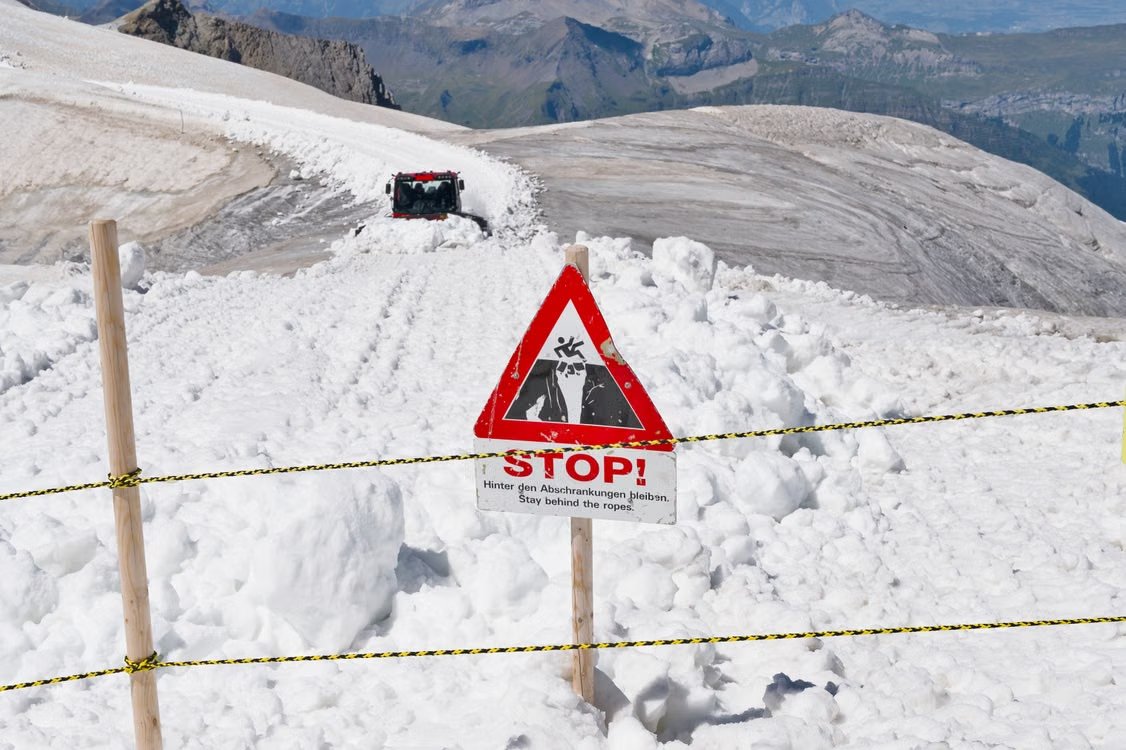
red, black, and white avalanche warning sign on a snowy trail in the Swiss Alps with panoramic mountain views
Photo by Jean-Paul Wettstein from Pexels

Where Helicopters Fit Into Avalanche Safety Protocols

Helicopters are capable of performing challenging tasks and operating in cold weather environments.

They offer unmatched accessibility and versatility that help avalanche programs solve five persistent operational challenges:

  • Accessing terrain that’s too steep, remote, or unstable to safely reach on foot
  • Evaluating snowpack conditions across an entire area rather than just accessible points
  • Responding quickly after a storm, when hazard levels often spike
  • Reaching avalanche victims before rescue delays turn critical
  • Keeping people out of areas where risk is highest

While rotorcraft are powerful, they don't replace the core elements of avalanche safety. Professional forecasting, on-the-ground observation, terrain closures, and companion rescue skills are still crucial.

Helicopter Support for Three Critical Stages

Helicopters support avalanche safety across three distinct phases, each with its own goals and constraints.

  • Before a Storm: Before an approaching storm hits, helicopters can access the field to perform aerial reconnaissance and record observations that help avalanche-control teams build a more comprehensive picture of current snow distribution and hazards.

  • During the Elevated Hazard: Once a storm has packed a slope with unstable snow, helicopters can deliver trained teams to safely trigger avalanches within that terrain. This approach brings hazardous snow down in a controlled manner before it can fall unpredictably.

  • After the Incident: Helicopter teams may remain on standby to provide additional support once a snow slide comes to a stop. Airborne crews may perform aerial assessments or transport rescue teams and supplies. Having helicopters on standby can also reduce the time it takes to locate and evacuate victims for medical treatment.

How Helicopters Support Avalanche Control and Assessment

In steep, remote, and challenging terrain that is too difficult or hazardous for ground teams to reach, helicopters are often called upon to reduce avalanche risk.

Helicopters offer four key services to support avalanche evaluation and snow safety:

  • Aerial reconnaissance
  • Explosive deployment and/or permanent installation systems
  • Personnel and cargo delivery
  • Rescue operations

Below, we explain how helicopters contribute to each of these avalanche operations.

Aerial Reconnaissance

Avalanche conditions often vary significantly across elevations, slopes, and mountain corridors. Helicopters offer a bird’s-eye view that gives avalanche professionals a broader perspective on changing conditions — especially in areas that would be difficult or unsafe to reach from the ground.

During aerial reconnaissance flights, trained observers can assess:

  • Avalanche Activity: Recent avalanche crowns, debris fields, and runout areas can provide valuable information about current conditions.

  • Snow Distribution: Aerial views can reveal wind-loaded slopes, cornices, scoured ridgelines, and differences in snow coverage across elevations.

  • Signs of Instability: Visible cracks, wet-snow activity, and other surface indicators help identify areas requiring closer investigation.

  • Terrain Hazards: Crews can pinpoint connected start zones, potential secondary avalanche areas, and other terrain features that could increase risk to roads, ski areas, utilities, and other infrastructure.

When conditions allow, helicopters can also transport forecasters or avalanche technicians to selected locations for more detailed ground observations, such as snowpack measurements and stability tests. However, aerial reconnaissance does not replace snow pits, weather stations, stability testing, or professional forecasting. Instead, it gives avalanche teams a way to gather information across a much larger area and determine where additional investigation is needed.
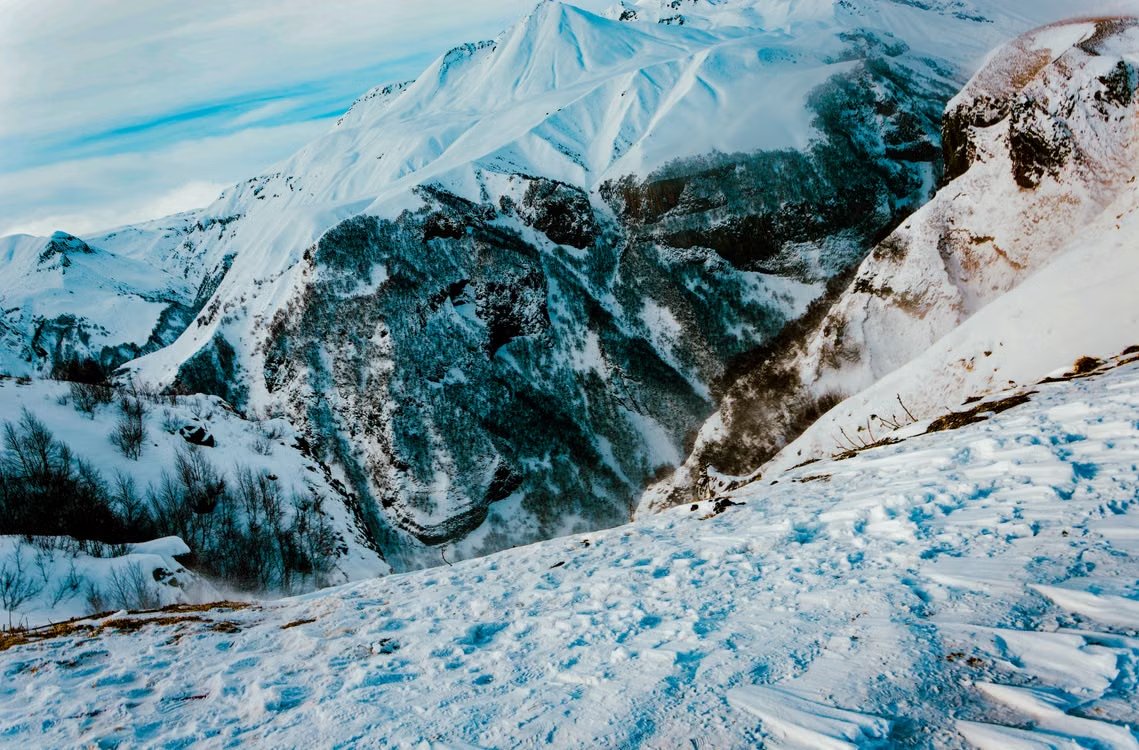
stunning view of snow-covered mountains in winter
Photo by Alexander Fadeev from Pexels

Explosive Deployment

In some avalanche-control operations, trained personnel use explosives to intentionally trigger unstable snow in a controlled manner. The goal is to release hazardous snow before it can produce a larger, less predictable avalanche that threatens people or infrastructure.

Helicopters are capable of providing access to start zones that may be too steep, remote, or hazardous for ground-based crews to reach. After a major storm or other period of increased avalanche activity, they can help teams respond to conditions across multiple areas.

A helicopter-supported explosive control operation typically requires:

  • Securing the Area: Roads, ski runs, or other potentially affected areas must be closed and cleared before control work begins.

  • Transporting Qualified Personnel: Helicopters can bring trained avalanche-control teams and equipment directly to remote start zones.

  • Conducting Controlled Releases: Authorized personnel can deploy explosives according to the established operational plan and applicable safety requirements.

  • Assessing the Results: Teams can observe the released snow and surrounding terrain to determine whether additional control measures are needed.

The speed and reach of helicopters are particularly valuable when multiple slopes require attention within a limited weather window. But aerial explosive work requires careful coordination between flight crews and avalanche-control personnel, along with strict safety procedures for explosives.

Crucial Safety Protocols for Aerial Explosive Work

Aerial explosive work can be dangerous. That’s why experienced helicopter service companies take several precautions to ensure the safety of personnel and surrounding communities.

These safety protocols include:

  • Working within aircraft-performance limits
  • Planning operations during optimal weather windows
  • Carefully securing the target area
  • Using only approved explosive procedures
  • Ensuring strict hazardous material protocols for transporting live explosives
  • Managing strict aviation safety regulations
  • Providing specialized pilot training for mountain flying and hovering

Personnel and Cargo Delivery

Steep and remote terrain, blocked roads, deep snow, and poor communications can delay ground rescues during or after an avalanche. When operations are delayed, helicopters can quickly deploy to deliver personnel and essential supplies.

This often includes:

  • Rescuers: Avalanche-trained rescuers, paramedics, and physicians.

  • Medical Supplies: Warming blankets and insulated wraps, oxygen and airway management kits, trauma dressings, splints, IV fluids, patient packaging like vacuum mattresses and litters, and monitoring equipment such as defibrillators and cardiac monitors.

  • Search and Support Gear: Avalanche probes, shovels, transceivers, RECCO detectors, marker flags, radios and satellite communications equipment, and lighting for low-visibility or nighttime operations.
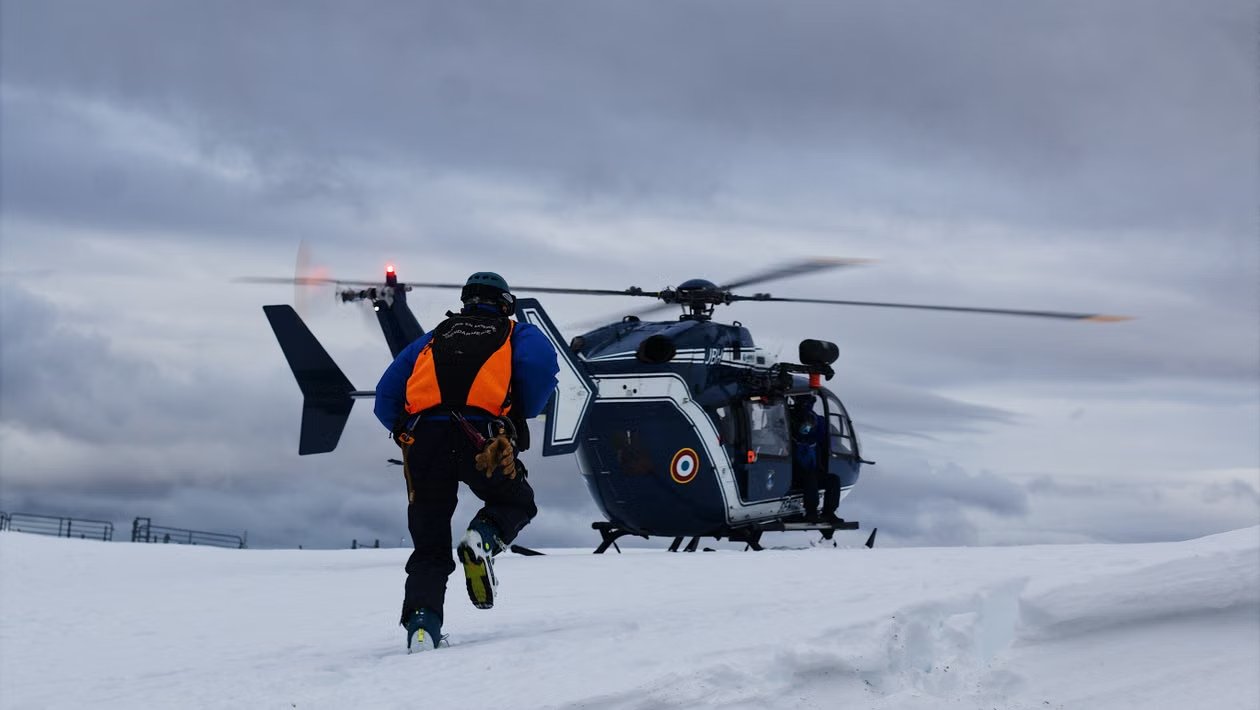
emergency response rescue worker approaches a black and white helicopter sitting on snowy field under gray skies
Photo by Maël BALLAND from Pexels

Rescue Operations

Avalanche scenes produce medical emergencies about twice as often as they produce fully buried victims who need to be located. That means getting medical personnel on site quickly is just as important as the search itself. Helicopters are frequently on standby at ski-area operations and in staging areas to be available for rapid dispatch the moment an avalanche is reported.

Once deployed, rotorcraft can support avalanche response in three key ways:

  • Transportation of Rescuers, Supplies, and Equipment: In suitable flying conditions, helicopters can deliver rescuers, medical personnel, hypothermia-treatment supplies, probes, shovels, and communications equipment to hazardous locations faster and more safely than ground vehicles.

  • Patient Evacuation: Injured avalanche survivors may face physical trauma, airway compromise, and hypothermia. Once rescuers have located and stabilized a patient for transport, helicopters are often the quickest method for evacuation to a hospital or safe transfer point.

  • Enhanced Situational Awareness: Pilots and flight crews can help relay critical information that supports situational awareness and improves coordination between scattered field teams, dispatch, medical services, resort staff, and traffic personnel.

Learn more about the multifaceted role of helicopters in disaster relief and Arctic operations.

Bring Specialized Helicopter Support to Your Avalanche Operations

Avalanche control and assessment frequently requires teams to perform quick work in remote areas with steep and unpredictable slopes. When terrain challenges limit ground-based operations, helicopters provide the access and flexibility needed for aerial reconnaissance, explosive deployment, cargo and personnel delivery, and emergency response operations.

For nearly three decades, Helicopter Express has aided hazardous operations that demand careful planning and the right aircraft. Our experienced pilots and versatile fleet offer aerial support your team can rely on.

If you’re curious about hiring specialized helicopter support for avalanche-control or snow-safety projects, contact Helicopter Express today. We’ll discuss your needs, provide a quote, and show you how we can help you work more efficiently and safely in cold weather and challenging landscapes.

Avalanche Control and Assessment: Helicopter Services in Snow Safety

The threats that avalanches pose have declined as forecasting technology has advanced and avalanche education has expanded. But avalanches are still a significant hazard for outdoorsmen who participate in mountain recreation activities, such as mountain climbing or skiing. Worldwide, avalanches kill over 150 people each year. About 27 avalanche-related deaths occur each winter season in the U.S. alone.

While steep terrain in remote landscapes presents many challenges, helicopters are capable of performing aerial assessments of snowpacks, triggering controlled avalanches, delivering essential personnel and supplies, and evacuating survivors for rapid medical treatment. Keep reading to learn why avalanches occur and how helicopters enhance snow safety through avalanche control and assessment support.

Understanding Avalanches: What They Are and Why They Occur

Avalanches happen when a slab of snow breaks loose and slides down a mountainside. Gravity is constantly pulling on the snow that rests on steep slopes, but snow stays put as long as its internal bonds remain strong. When those bonds weaken or the weight of the snowpack becomes too heavy, it gives way and starts making its way down the avalanche track.

Some avalanches occur naturally due to changing conditions, like increased rain or snowfall, rapid temperature changes, or an overhanging mass of snow that breaks off a mountain ridge or peak. But most avalanches are caused by humans. In 90% of avalanche incidents, snow slides are triggered by the victim or someone in the victim’s party.

red, black, and white avalanche warning sign on a snowy trail in the Swiss Alps with panoramic mountain views
Photo by Jean-Paul Wettstein from Pexels

Where Helicopters Fit Into Avalanche Safety Protocols

Helicopters are capable of performing challenging tasks and operating in cold weather environments.

They offer unmatched accessibility and versatility that help avalanche programs solve five persistent operational challenges:

  • Accessing terrain that’s too steep, remote, or unstable to safely reach on foot
  • Evaluating snowpack conditions across an entire area rather than just accessible points
  • Responding quickly after a storm, when hazard levels often spike
  • Reaching avalanche victims before rescue delays turn critical
  • Keeping people out of areas where risk is highest

While rotorcraft are powerful, they don't replace the core elements of avalanche safety. Professional forecasting, on-the-ground observation, terrain closures, and companion rescue skills are still crucial.

Helicopter Support for Three Critical Stages

Helicopters support avalanche safety across three distinct phases, each with its own goals and constraints.

  • Before a Storm: Before an approaching storm hits, helicopters can access the field to perform aerial reconnaissance and record observations that help avalanche-control teams build a more comprehensive picture of current snow distribution and hazards.

  • During the Elevated Hazard: Once a storm has packed a slope with unstable snow, helicopters can deliver trained teams to safely trigger avalanches within that terrain. This approach brings hazardous snow down in a controlled manner before it can fall unpredictably.

  • After the Incident: Helicopter teams may remain on standby to provide additional support once a snow slide comes to a stop. Airborne crews may perform aerial assessments or transport rescue teams and supplies. Having helicopters on standby can also reduce the time it takes to locate and evacuate victims for medical treatment.

How Helicopters Support Avalanche Control and Assessment

In steep, remote, and challenging terrain that is too difficult or hazardous for ground teams to reach, helicopters are often called upon to reduce avalanche risk.

Helicopters offer four key services to support avalanche evaluation and snow safety:

  • Aerial reconnaissance
  • Explosive deployment and/or permanent installation systems
  • Personnel and cargo delivery
  • Rescue operations

Below, we explain how helicopters contribute to each of these avalanche operations.

Aerial Reconnaissance

Avalanche conditions often vary significantly across elevations, slopes, and mountain corridors. Helicopters offer a bird’s-eye view that gives avalanche professionals a broader perspective on changing conditions — especially in areas that would be difficult or unsafe to reach from the ground.

During aerial reconnaissance flights, trained observers can assess:

  • Avalanche Activity: Recent avalanche crowns, debris fields, and runout areas can provide valuable information about current conditions.

  • Snow Distribution: Aerial views can reveal wind-loaded slopes, cornices, scoured ridgelines, and differences in snow coverage across elevations.

  • Signs of Instability: Visible cracks, wet-snow activity, and other surface indicators help identify areas requiring closer investigation.

  • Terrain Hazards: Crews can pinpoint connected start zones, potential secondary avalanche areas, and other terrain features that could increase risk to roads, ski areas, utilities, and other infrastructure.

When conditions allow, helicopters can also transport forecasters or avalanche technicians to selected locations for more detailed ground observations, such as snowpack measurements and stability tests. However, aerial reconnaissance does not replace snow pits, weather stations, stability testing, or professional forecasting. Instead, it gives avalanche teams a way to gather information across a much larger area and determine where additional investigation is needed.

stunning view of snow-covered mountains in winter
Photo by Alexander Fadeev from Pexels

Explosive Deployment

In some avalanche-control operations, trained personnel use explosives to intentionally trigger unstable snow in a controlled manner. The goal is to release hazardous snow before it can produce a larger, less predictable avalanche that threatens people or infrastructure.

Helicopters are capable of providing access to start zones that may be too steep, remote, or hazardous for ground-based crews to reach. After a major storm or other period of increased avalanche activity, they can help teams respond to conditions across multiple areas.

A helicopter-supported explosive control operation typically requires:

  • Securing the Area: Roads, ski runs, or other potentially affected areas must be closed and cleared before control work begins.

  • Transporting Qualified Personnel: Helicopters can bring trained avalanche-control teams and equipment directly to remote start zones.

  • Conducting Controlled Releases: Authorized personnel can deploy explosives according to the established operational plan and applicable safety requirements.

  • Assessing the Results: Teams can observe the released snow and surrounding terrain to determine whether additional control measures are needed.

The speed and reach of helicopters are particularly valuable when multiple slopes require attention within a limited weather window. But aerial explosive work requires careful coordination between flight crews and avalanche-control personnel, along with strict safety procedures for explosives.

Crucial Safety Protocols for Aerial Explosive Work

Aerial explosive work can be dangerous. That’s why experienced helicopter service companies take several precautions to ensure the safety of personnel and surrounding communities.

These safety protocols include:

  • Working within aircraft-performance limits
  • Planning operations during optimal weather windows
  • Carefully securing the target area
  • Using only approved explosive procedures
  • Ensuring strict hazardous material protocols for transporting live explosives
  • Managing strict aviation safety regulations
  • Providing specialized pilot training for mountain flying and hovering

Personnel and Cargo Delivery

Steep and remote terrain, blocked roads, deep snow, and poor communications can delay ground rescues during or after an avalanche. When operations are delayed, helicopters can quickly deploy to deliver personnel and essential supplies.

This often includes:

  • Rescuers: Avalanche-trained rescuers, paramedics, and physicians.

  • Medical Supplies: Warming blankets and insulated wraps, oxygen and airway management kits, trauma dressings, splints, IV fluids, patient packaging like vacuum mattresses and litters, and monitoring equipment such as defibrillators and cardiac monitors.

  • Search and Support Gear: Avalanche probes, shovels, transceivers, RECCO detectors, marker flags, radios and satellite communications equipment, and lighting for low-visibility or nighttime operations.
emergency response rescue worker approaches a black and white helicopter sitting on snowy field under gray skies
Photo by Maël BALLAND from Pexels

Rescue Operations

Avalanche scenes produce medical emergencies about twice as often as they produce fully buried victims who need to be located. That means getting medical personnel on site quickly is just as important as the search itself. Helicopters are frequently on standby at ski-area operations and in staging areas to be available for rapid dispatch the moment an avalanche is reported.

Once deployed, rotorcraft can support avalanche response in three key ways:

  • Transportation of Rescuers, Supplies, and Equipment: In suitable flying conditions, helicopters can deliver rescuers, medical personnel, hypothermia-treatment supplies, probes, shovels, and communications equipment to hazardous locations faster and more safely than ground vehicles.

  • Patient Evacuation: Injured avalanche survivors may face physical trauma, airway compromise, and hypothermia. Once rescuers have located and stabilized a patient for transport, helicopters are often the quickest method for evacuation to a hospital or safe transfer point.

  • Enhanced Situational Awareness: Pilots and flight crews can help relay critical information that supports situational awareness and improves coordination between scattered field teams, dispatch, medical services, resort staff, and traffic personnel.

Learn more about the multifaceted role of helicopters in disaster relief and Arctic operations.

Bring Specialized Helicopter Support to Your Avalanche Operations

Avalanche control and assessment frequently requires teams to perform quick work in remote areas with steep and unpredictable slopes. When terrain challenges limit ground-based operations, helicopters provide the access and flexibility needed for aerial reconnaissance, explosive deployment, cargo and personnel delivery, and emergency response operations.

For nearly three decades, Helicopter Express has aided hazardous operations that demand careful planning and the right aircraft. Our experienced pilots and versatile fleet offer aerial support your team can rely on.

If you’re curious about hiring specialized helicopter support for avalanche-control or snow-safety projects, contact Helicopter Express today. We’ll discuss your needs, provide a quote, and show you how we can help you work more efficiently and safely in cold weather and challenging landscapes.

Make us your go-to team.

Our highly skilled pilots have the experience and equipment needed to rise to any challenge. When you need experts you can trust, give us a call.